 Vivenza
Less sitting, more moving – small steps in older age
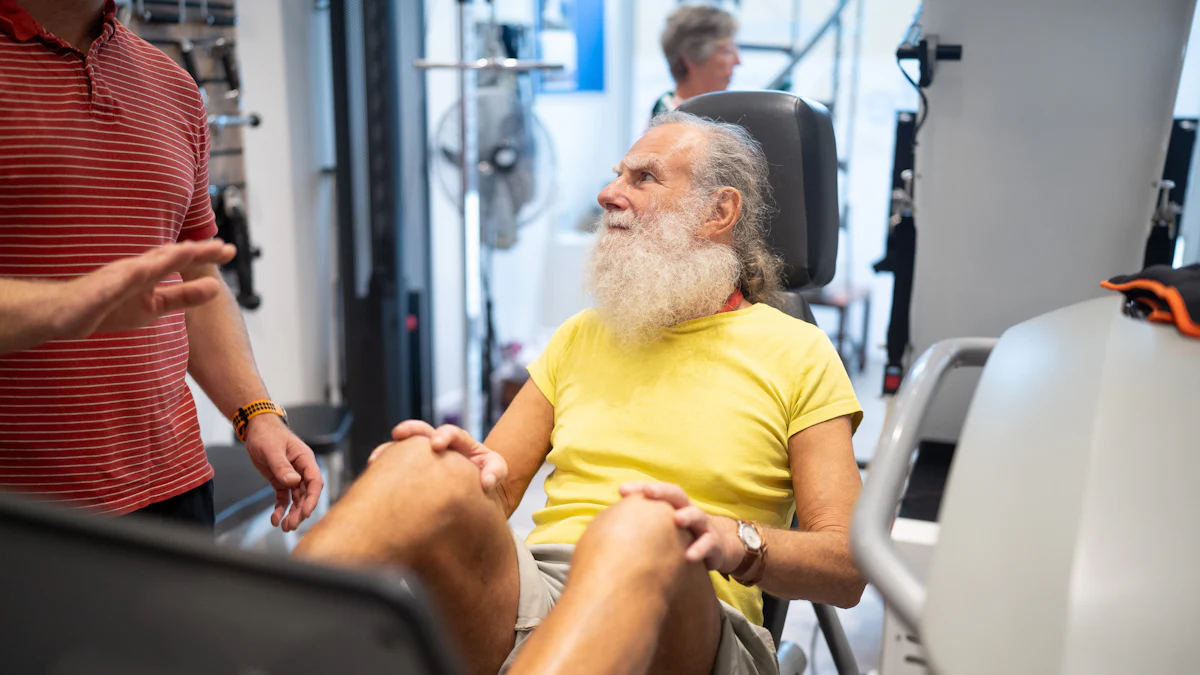
You don't need a training plan straight away. According to the WHO, some activity is better than none. A few ideas for breaking up long spells of sitting.
For general information only. This article does not replace medical or professional advice; if you have a health concern, talk to a doctor.
Staying active in older age is an important part of quality of life and everyday independence. Regular movement matched to a person's abilities can help maintain fitness, balance and everyday activities.1,2
According to the World Health Organization (WHO), older adults need, alongside regular weekly exercise, varied activity that trains balance and muscle strength.1,3 The NHS guidance for older adults also recommends activities that build strength, balance and flexibility on at least two days a week.2 MedlinePlus describes four types of exercise (endurance, strength, balance and flexibility); it says doing all four may bring more benefit, and that it is best to start slowly.4
What kind of movement suits someone always depends on their own condition. With a long-term condition, a recent injury or any doubt, it is worth talking to a doctor or physiotherapist before starting.
According to the WHO, people worldwide are living longer, but the evidence suggests the share of life spent in good health has stayed broadly the same: some of the extra years are lived in poorer health.5 The same fact sheet says that healthy habits kept up throughout life, including regular physical activity, help improve physical and mental capacity and may delay care dependency.5 The WHO also points out that there is no typical older person: some 80-year-olds have physical and mental capacities similar to many 30-year-olds.5
The UN has named 2021–2030 the Decade of Healthy Ageing, with the WHO leading its implementation; its aim is to improve the lives of older people, their families and their communities.6 The idea is simple: what matters is not only how many years we live, but how well we can keep doing what matters to us in those years.
Vivenza is building contacts with health and care professionals who would like to help support older people. Both professionals and people looking for help can register their interest.
If you are just getting started, two of our articles may help: less sitting, more moving and balance exercises at home.
Last checked: 19 November 2026.
Register as a professional, or tell us what kind of help you need. The questionnaires are in Hungarian.
Elder care cooperation
You don't need a training plan straight away. According to the WHO, some activity is better than none. A few ideas for breaking up long spells of sitting.
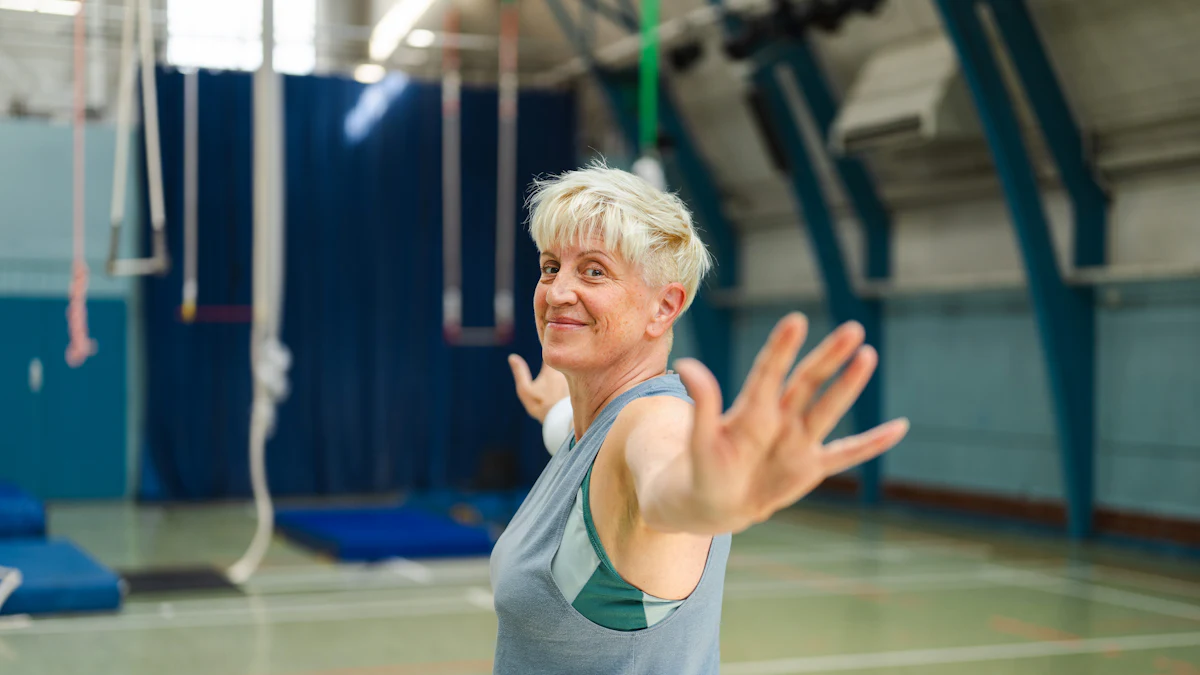
A sturdy chair, a wall and two sessions a week: that is how the NHS describes the basics of balance practice at home. What to watch for at the start.
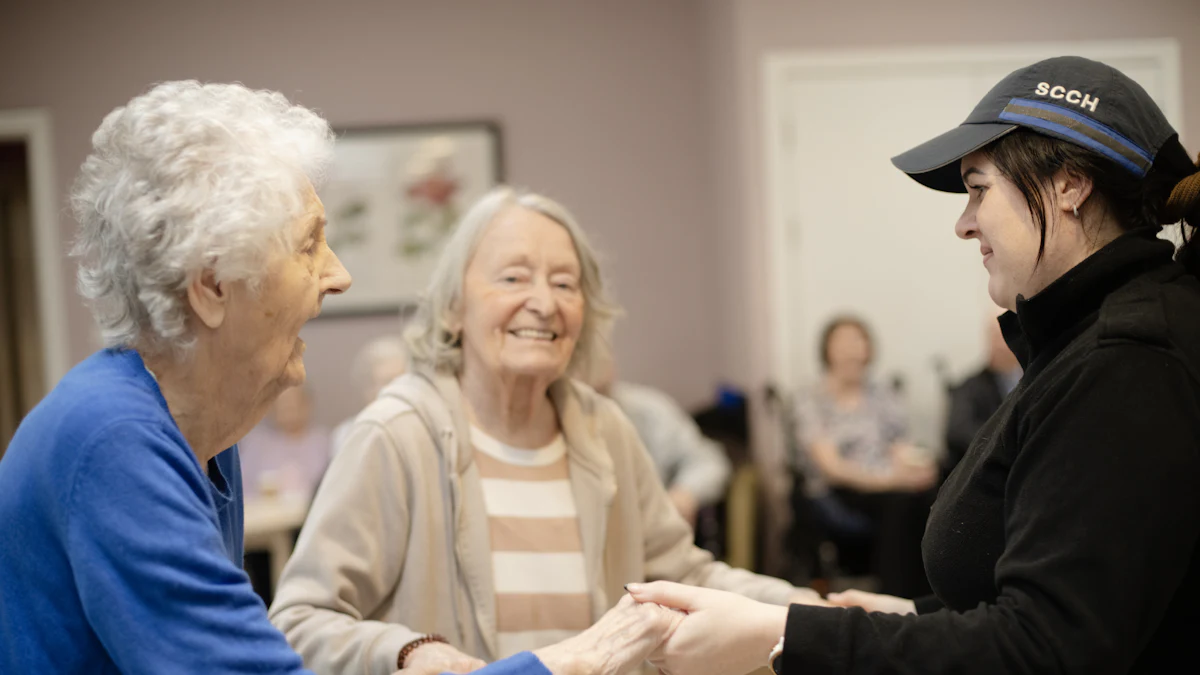
Sometimes overnight, sometimes slowly, it becomes clear that mum or dad can no longer manage alone. A few steps that may help you sort out what to do.