 Vivenza
What is fascia? The role of connective tissue, simply put
Fascia has become a popular topic among trainers, masseurs and therapists. What does textbook anatomy say about it, and where do the open questions begin?
For massage therapists, trainers, yoga and Pilates teachers and movement instructors. Five days of practice in a group of up to 20, led by Rita Szentiványi: from how fascia works, through manual techniques, to using them in movement. It is not a general manual therapy course: it focuses only on the connective tissue system and works alongside the methods you already use.
Language: the workshop is taught in Hungarian, and pre-registration uses the Hungarian form.
Up to 20 people. The exact date, venue, VAT treatment and admin terms are still being finalised. Organiser: SofTissue Academy Kft.
Practical knowledge you can build into your own professional work.
The structure of fascia, its biomechanical and neurophysiological properties, and how it relates to posture and movement patterns.
FSTM I–III groups superficial, directed and functional connective tissue mobilisation, with deliberately chosen contact, direction and intensity.
How to combine manual techniques with active movement, stretching and stretch therapy, and how to give self-mobilisation exercises.
Controlling treatment intensity, watching tissue tolerance, judging the response to treatment and functional re-testing.
The compensatory movement patterns that follow injuries and painful conditions, and where connective tissue treatment may play a part.
FSTM is a standalone connective tissue approach that works alongside massage, training, yoga or Pilates classes and other musculoskeletal methods.
The workshop is a practical skills programme: it does not give a healthcare qualification or a new right to treat.
It is also open to healthcare professionals such as medical masseurs, massage therapists, physiotherapy assistants and physiotherapists.
Basic anatomy knowledge is required and checked by the organiser on application. The workshop does not give a healthcare qualification or a new right to treat.
From understanding, through hands-on technique, to use in movement.
Anatomy, biomechanics, neurophysiology, posture and compensatory movement patterns.
Contact, force directions and intensity: superficial and directed connective tissue mobilisation.
Linking treatment with active movement, stretching and stretch therapy.
The full syllabus and the FSTM I–III levels are further down ↓
Learn the role of connective tissue in posture and movement, master targeted manual techniques, and learn how to use them in movement.
FSTM is a teaching concept developed by Rita Szentiványi that focuses on how the connective tissue system works and how it can be treated by hand. It is an adapted version, for a wider audience, of the connective tissue method within MozgásKlinika’s in-house MozgásPiramis® concept. The workshop does not teach the full clinical curriculum: the emphasis is on practical skills, body awareness, knowledge of connective tissue and how to use it in movement.
The five days cover the anatomy, biomechanics and neurophysiology of fascia, its role in posture and movement patterns, and targeted techniques. Special attention goes to compensation after injuries, painful conditions and musculoskeletal changes, and to how manual techniques link to stretching, mobilisation and controlled active movement.
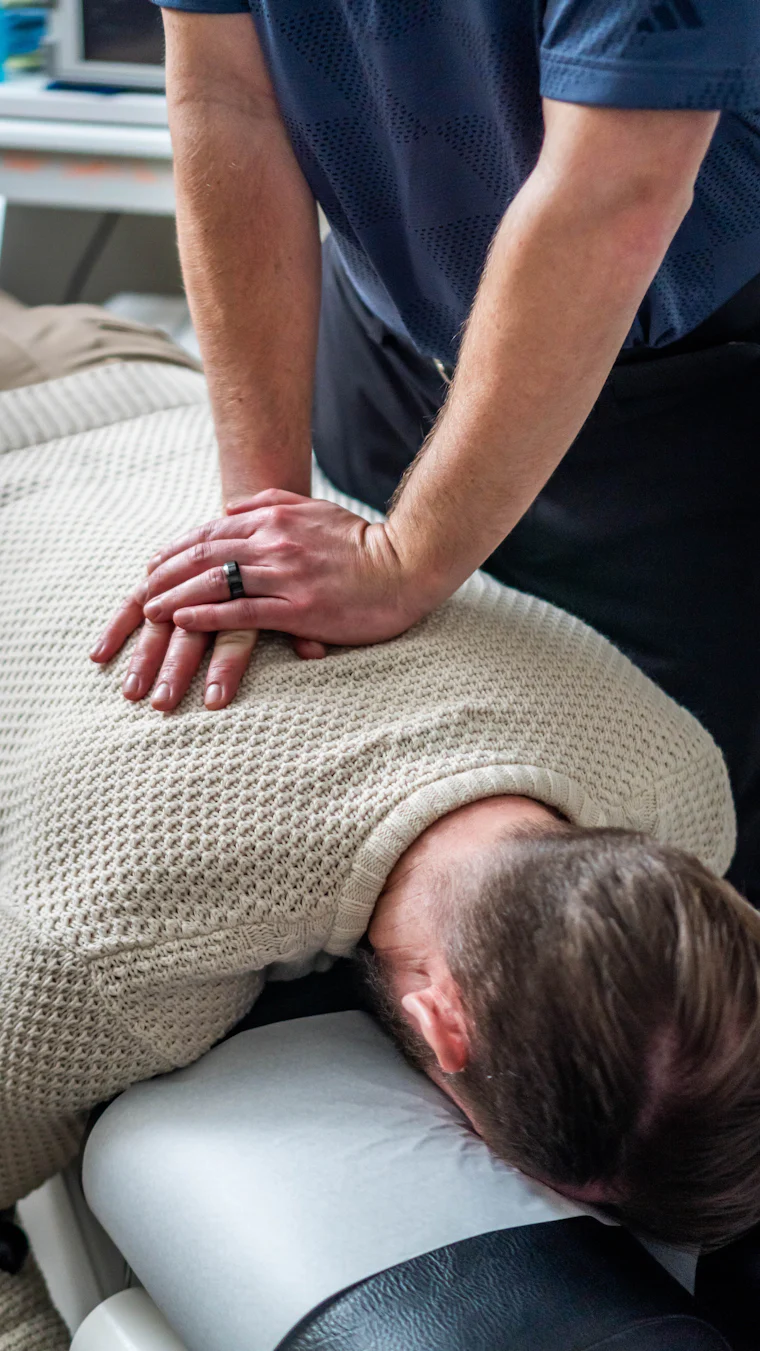
The anatomical and physiological basics of connective tissue, and how it relates to posture and movement.
Main topics
The course separates well-established anatomy and physiology from therapeutic hypotheses that still need clinical evidence.
Practical teaching of targeted manual mobilisation of connective tissue.
Main topics
The course does not teach fixed treatment directions to be used the same way on everyone.
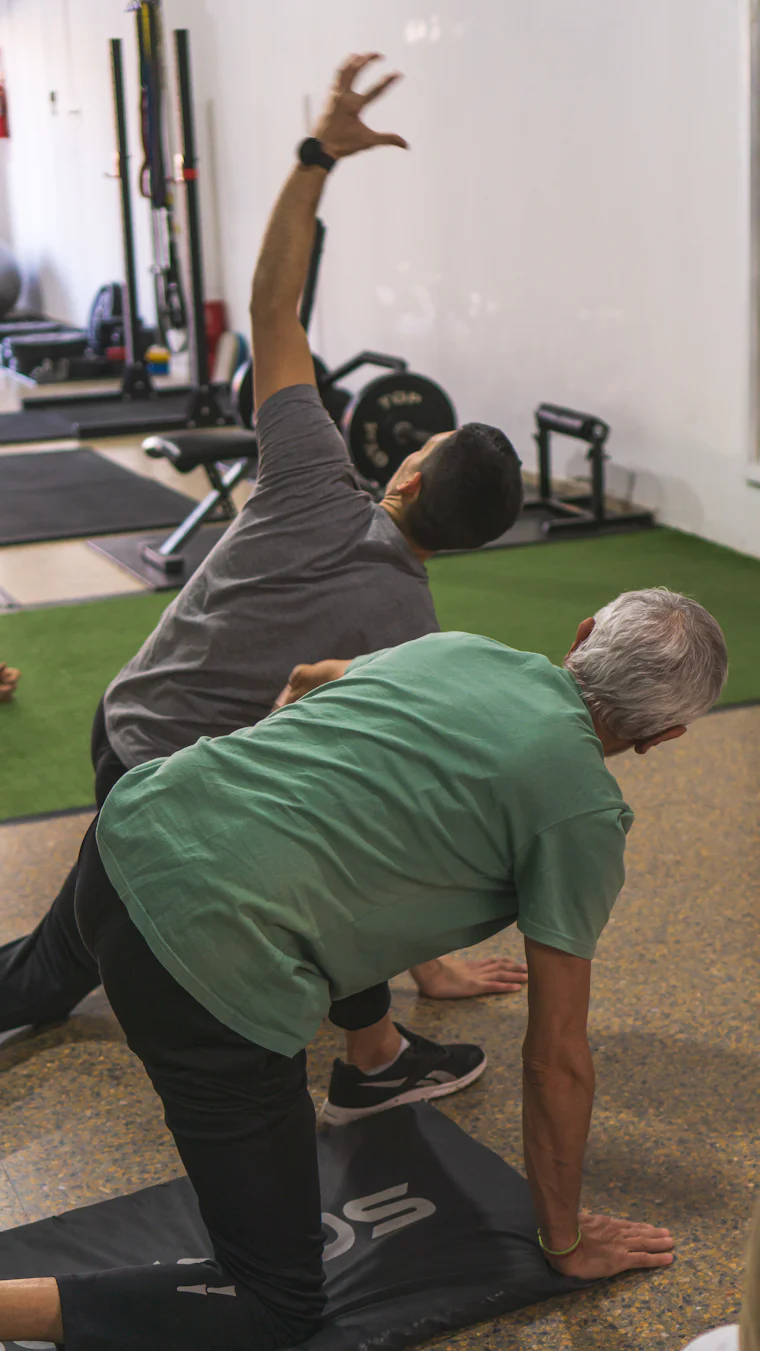
Combining manual connective tissue work with controlled active movement.
Main topics
Combining connective tissue mobilisation with active movement may in some cases complement work on movement function. It cannot be claimed that connective tissue work on its own removes neuromuscular compensations or permanently restores movement patterns.
They are not three separate workshops and not increasing intensity.
Broad contact, low mechanical load, controlled tissue movement, watching tissue tolerance.
Mobilising defined anatomical regions with deliberately chosen contact, direction and intensity. Not automatically deeper or more painful.
Manual mobilisation combined with controlled active movement. Stretching is part of unit III, but not every stretch counts as an FSTM III technique.
Note: FSTM I–III is the workshop’s own grouping, not a validated clinical scale.
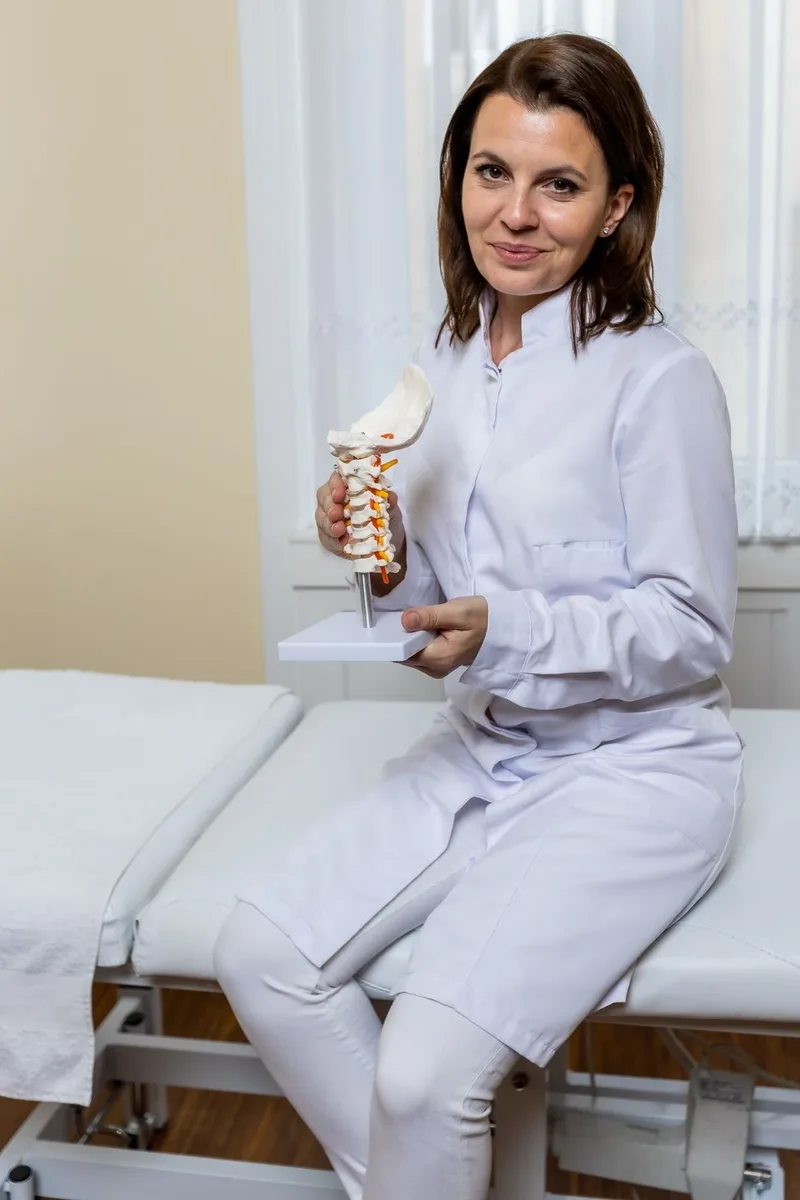
MSc physiotherapist and manual therapist, co-founder and professional lead of MozgásKlinika
More than twenty years of experience in clinical care, musculoskeletal rehabilitation, manual therapy, teaching and developing therapy methods. Her full profile is on the Hungarian workshop page.
The exact date, venue, VAT treatment and admin terms are still being finalised.
There is no online payment.
No. Pre-registration is not an automatic place or a payment obligation. It lets you show interest and be the first to hear the final date, venue, detailed programme and conditions.
It is not a general manual therapy or joint mobilisation course. The focus is only the connective tissue system: its anatomy, biomechanics, neurophysiology, role in posture and movement, manual treatment and movement integration.
They are the workshop's own way of grouping techniques, not a validated clinical scale, and not three separate workshops or increasing intensity: FSTM I superficial, FSTM II directed, FSTM III functional fascial mobilisation.
No. The workshop does not give a healthcare qualification or a new right to treat.
No. The workshop, the pre-registration form and all communication are in Hungarian.
Want to join the first FSTM workshop? Pre-registration uses the Hungarian form.
Pre-registerFive days of practice on the connective tissue system, in a group of up to 20, led by Rita Szentiványi: from how fascia works, through targeted manual techniques, to using them in movement. Pre-registration carries no payment obligation, and you are the first to hear the final date, venue and terms.
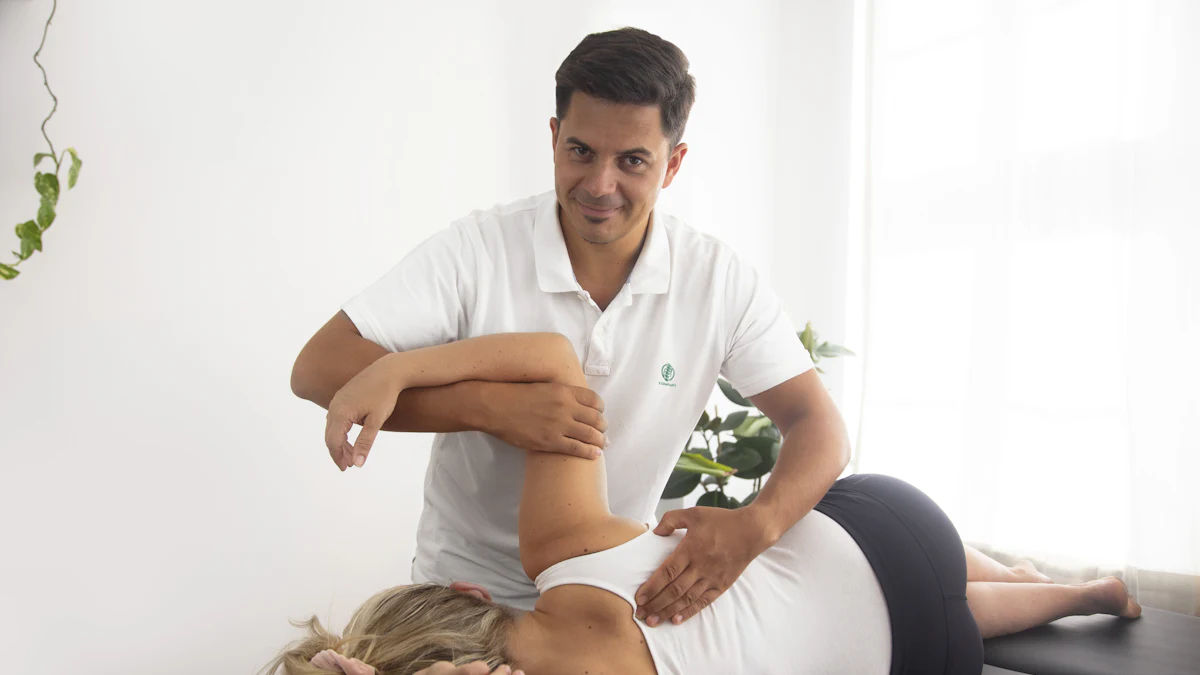
Fascia has become a popular topic among trainers, masseurs and therapists. What does textbook anatomy say about it, and where do the open questions begin?
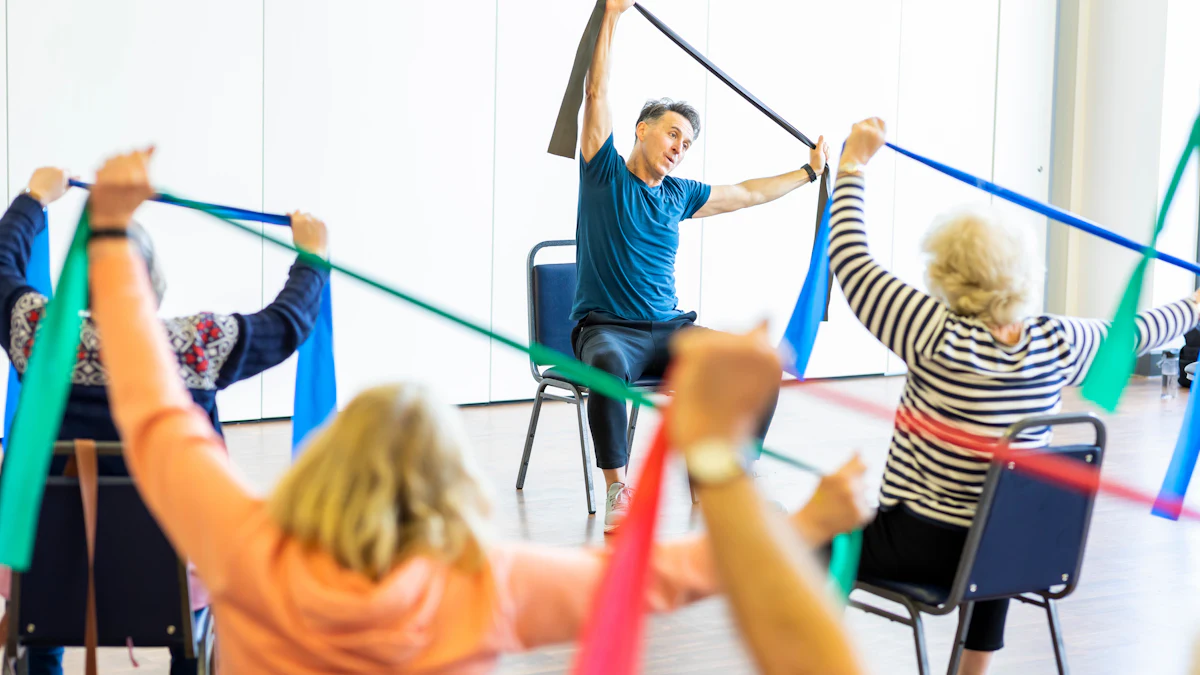
According to both the NHS and the NIA, keeping flexible is part of regular activity. What do they suggest, and what are the three most common mistakes?
A five-day connective tissue course with Rita Szentiványi: from how fascia works, through targeted manual techniques, to bringing them into movement.