 Vivenza
What is fascia? The role of connective tissue, simply put
Fascia has become a popular topic among trainers, masseurs and therapists. What does textbook anatomy say about it, and where do the open questions begin?
Training, active ageing and elder care: short, practical articles. Each one is also available in Hungarian.
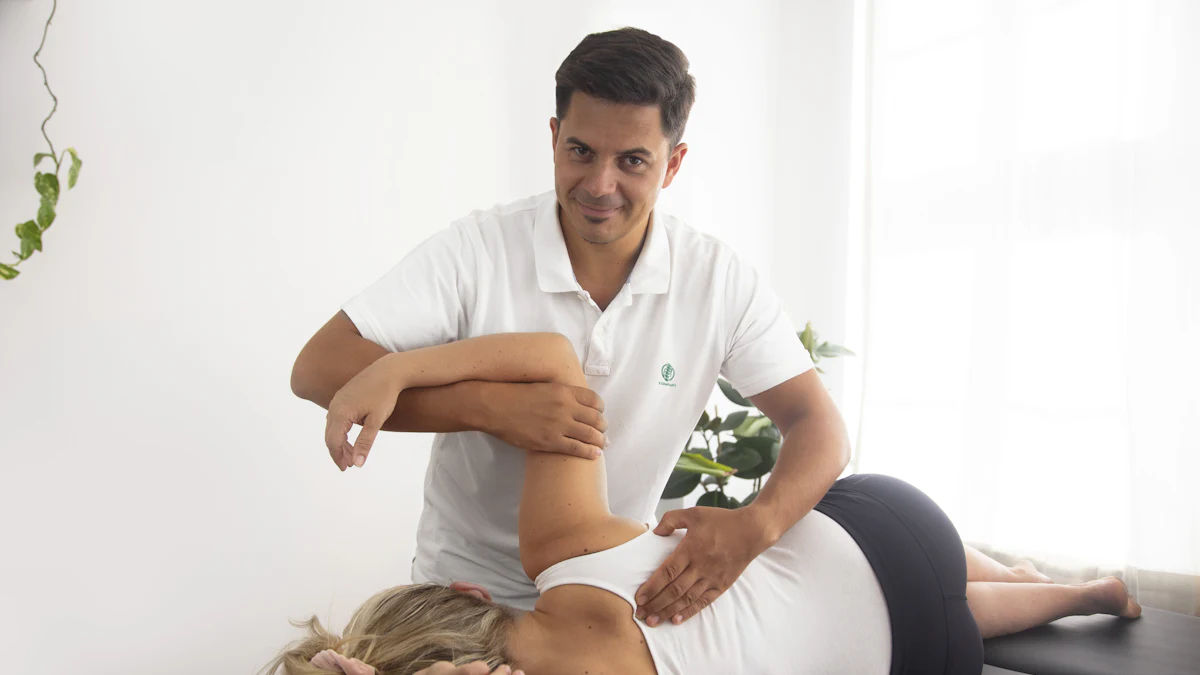
Fascia has become a popular topic among trainers, masseurs and therapists. What does textbook anatomy say about it, and where do the open questions begin?
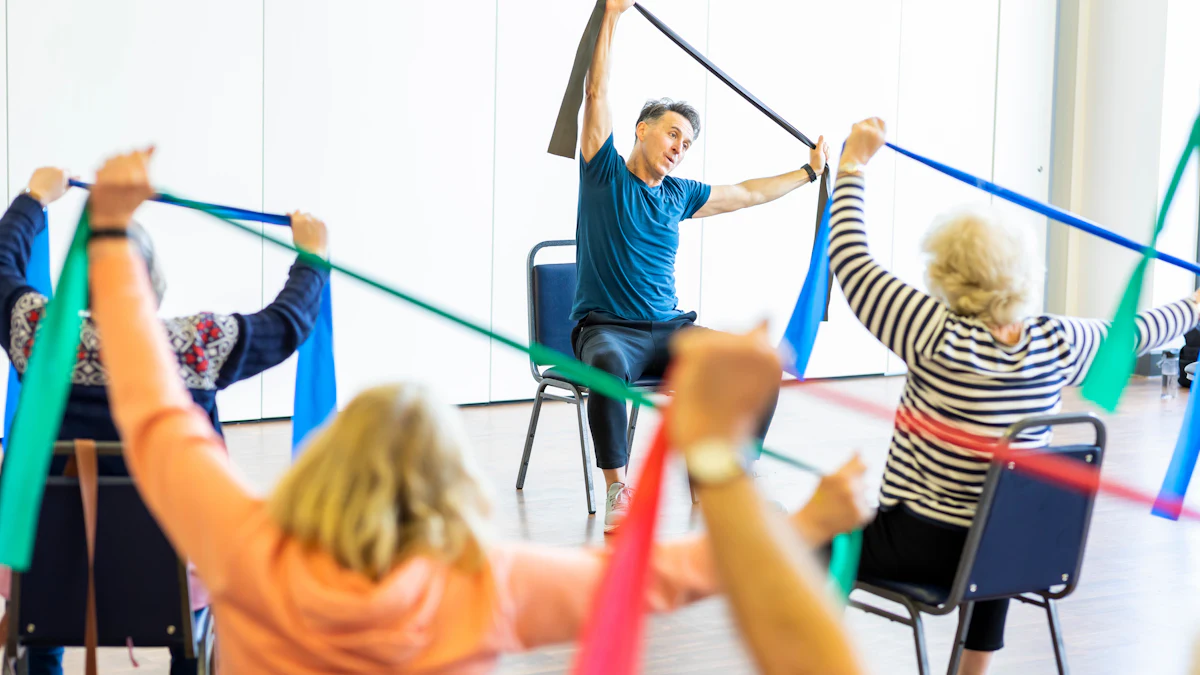
According to both the NHS and the NIA, keeping flexible is part of regular activity. What do they suggest, and what are the three most common mistakes?
A five-day connective tissue course with Rita Szentiványi: from how fascia works, through targeted manual techniques, to bringing them into movement.
A fall rarely has just one cause. Here is what international health bodies say about the risks, and what they suggest doing about them.
A sturdy chair, a wall and two sessions a week: that is how the NHS describes the basics of balance practice at home. What to watch for at the start.
You don't need a training plan straight away. According to the WHO, some activity is better than none. A few ideas for breaking up long spells of sitting.
After a fall, many people move less, and that can weaken them further. How can the cycle be broken?
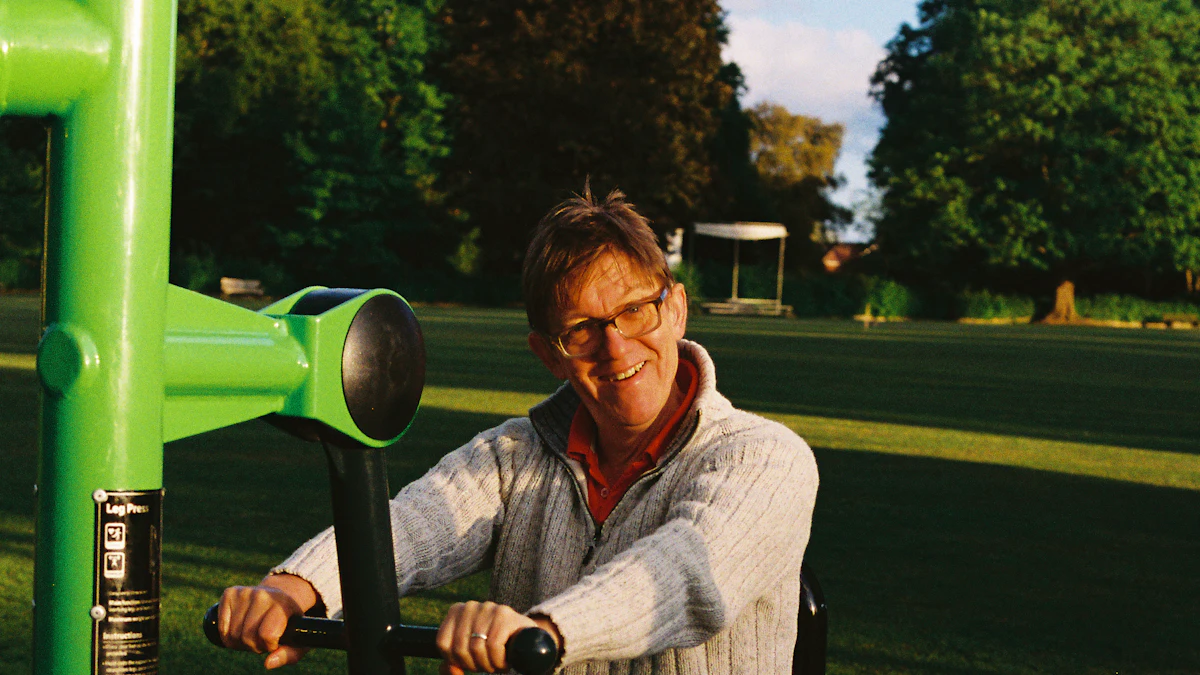
Muscle mass can decline with age, and that affects strength and balance. What can we do about it, even at home next to a chair?
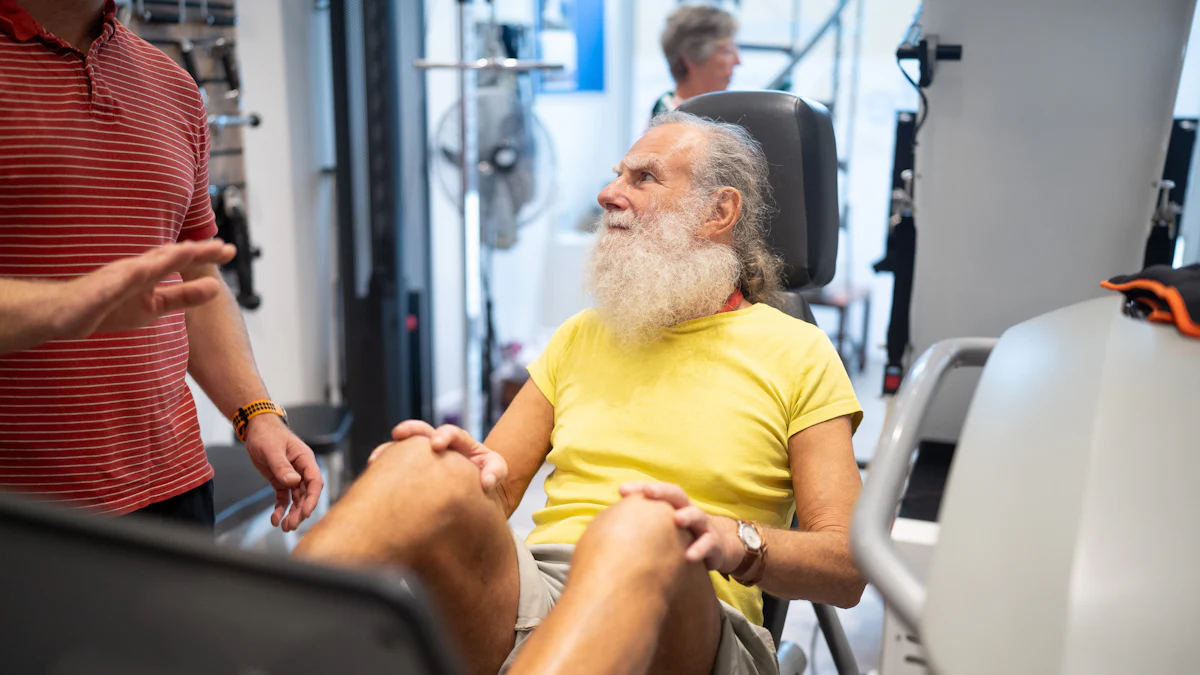
Regular movement matched to your own abilities is an important part of staying independent.
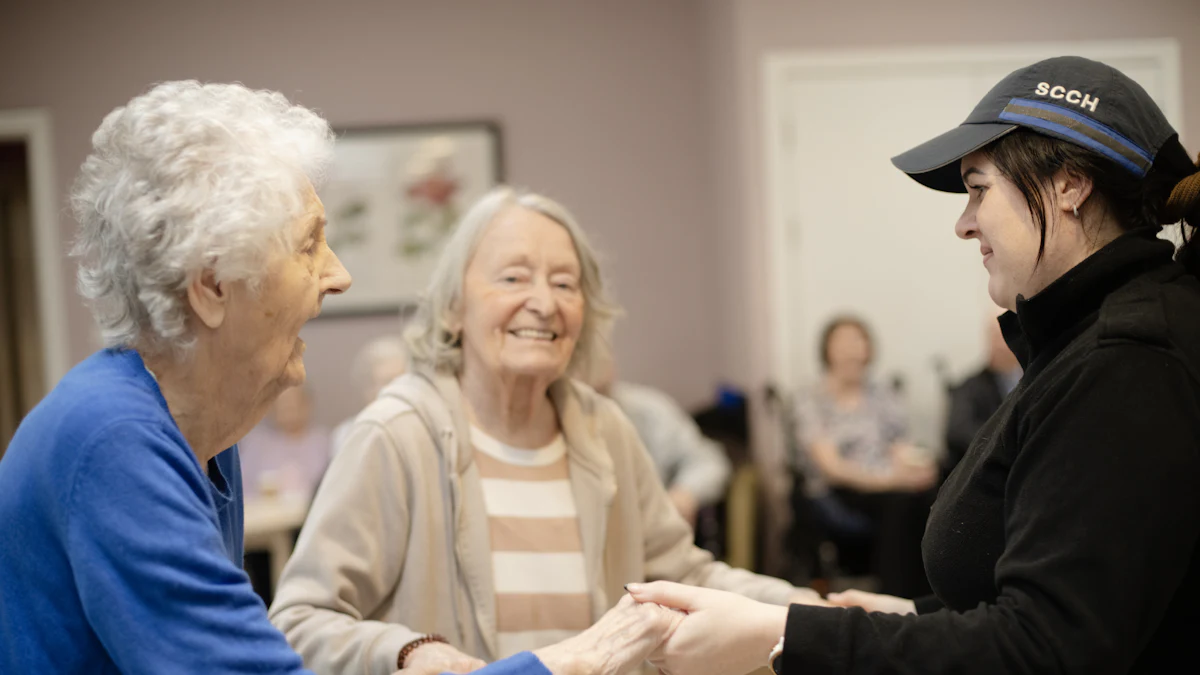
Sometimes overnight, sometimes slowly, it becomes clear that mum or dad can no longer manage alone. A few steps that may help you sort out what to do.
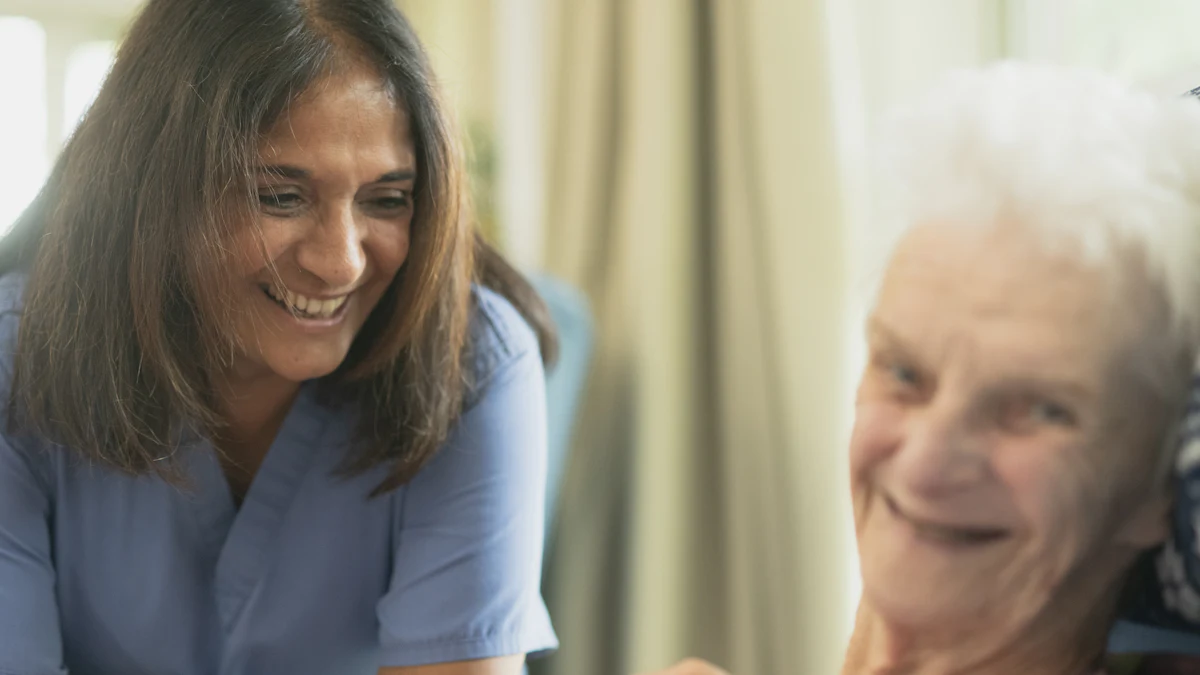
The first days at home are often harder than expected. What to ask while still in hospital, and how to get the flat ready.
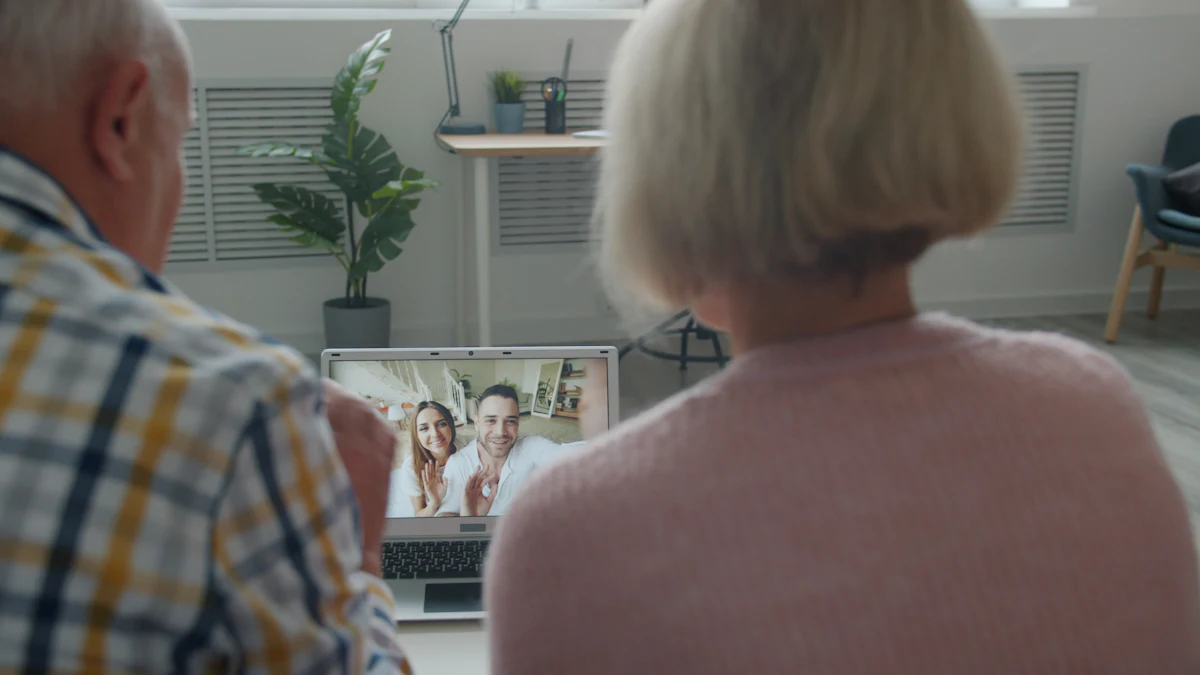
A lot can be discussed by video or phone, but not everything. What remote consultations are good for, and how to get the most out of one.
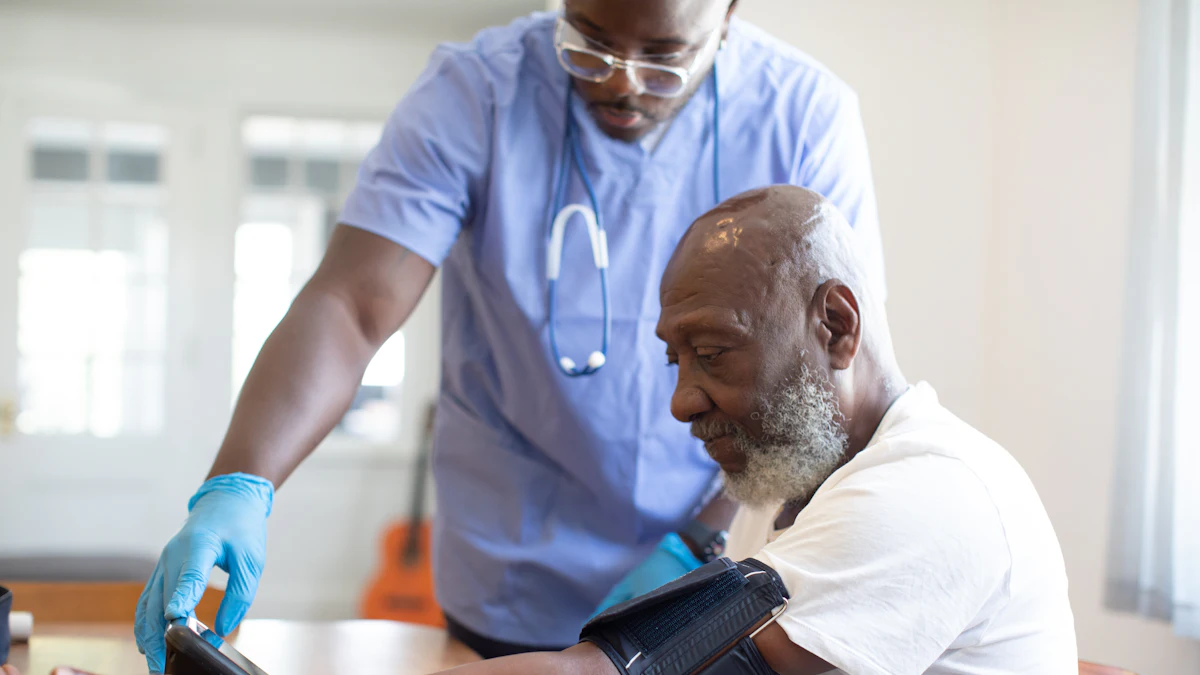
Daily help, a health task or rebuilding movement? Who can help with what at home, and how to work out what is needed.
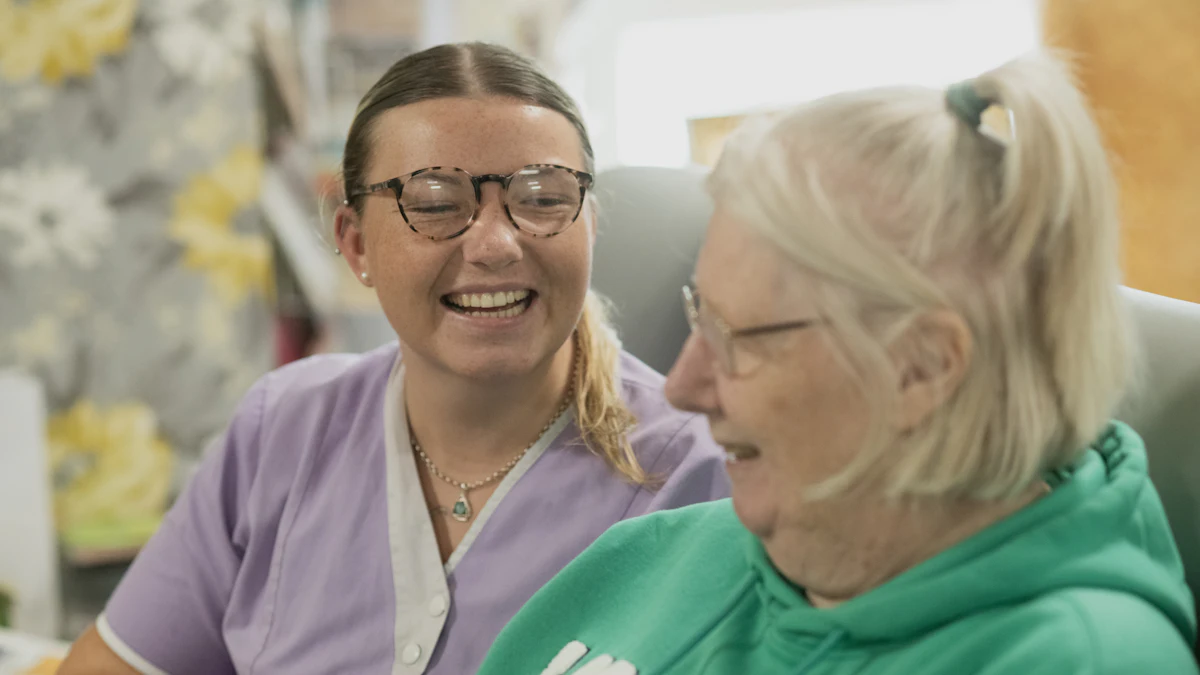
Charges, experience, cover, a contract: what to ask before you choose a carer for someone at home.

People caring for an older parent often do it alongside work and family. What are the signs of overload, and how can you ask for help in time?
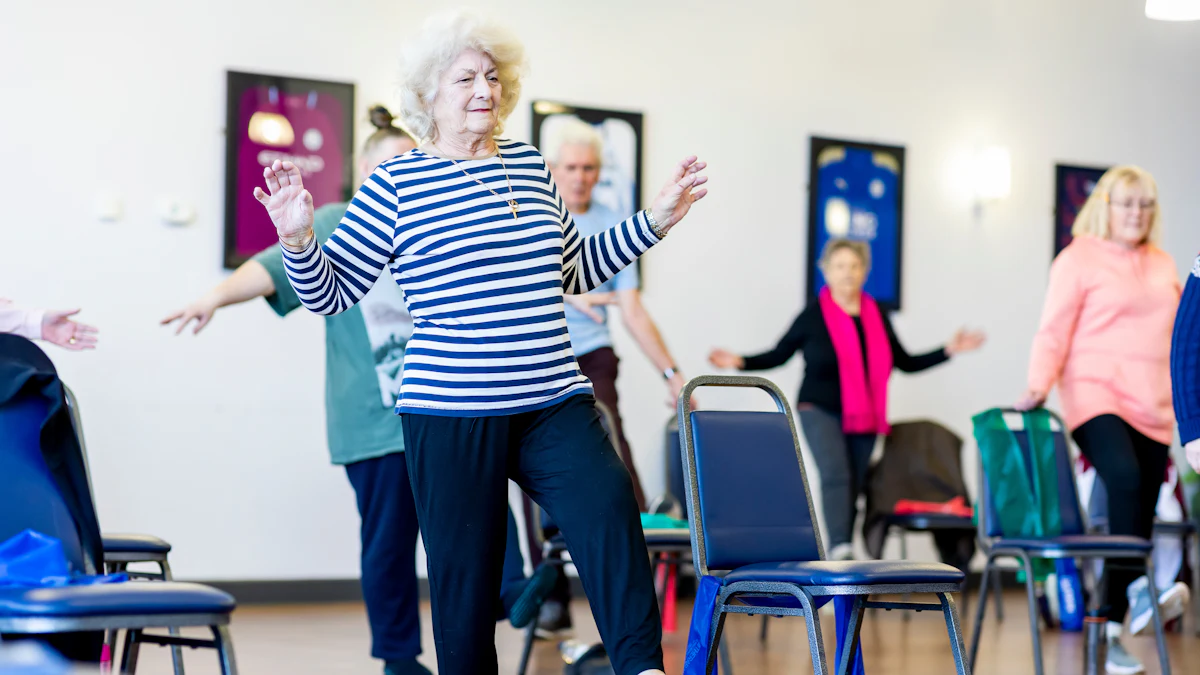
According to both the WHO and the NHS, regular exercise can be part of looking after the brain. But what does the research claim, and what not?
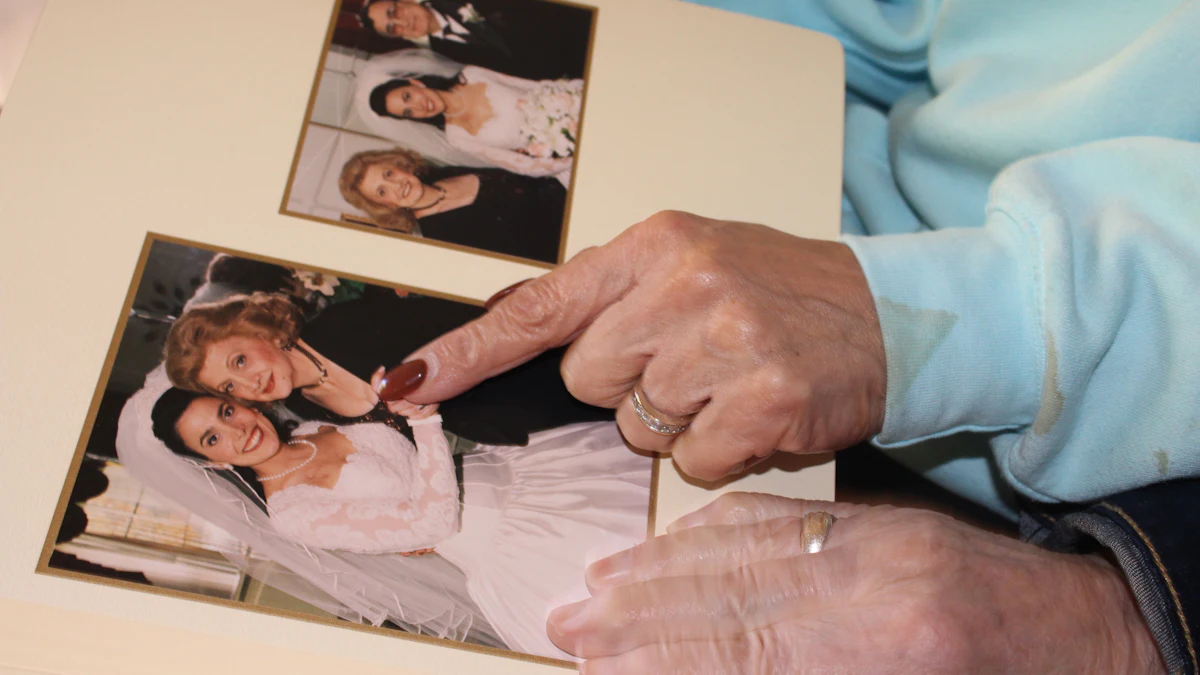
A forgotten name is no reason to worry. But when is it worth seeing a doctor? The key signs, simply put.
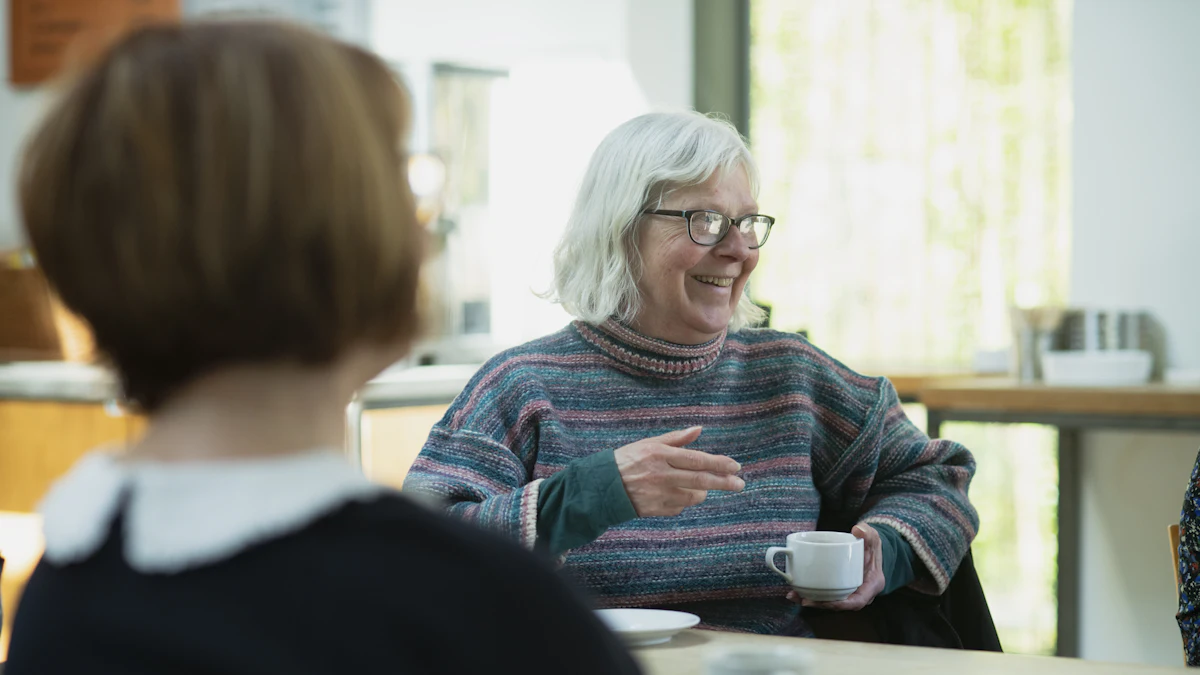
Short sentences, simple choices, plenty of patience. What does the NHS suggest to make conversations easier for both of you?
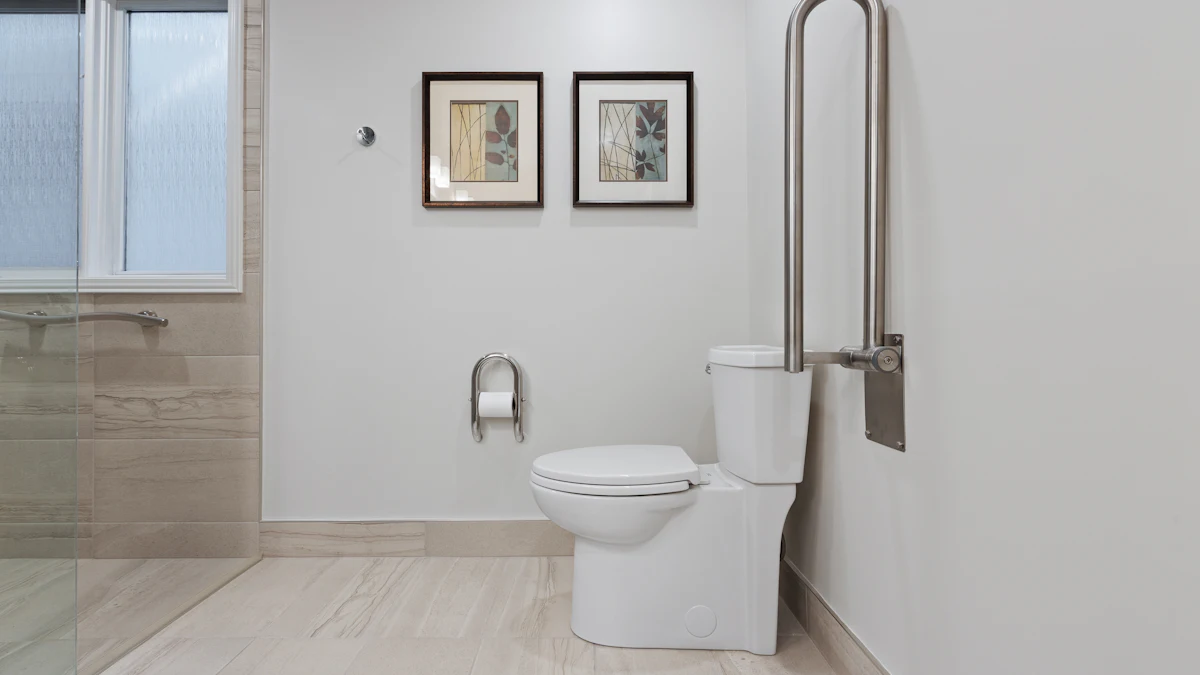
A grab rail, a night light, an alarm button: small changes that may help someone stay safe at home for longer.
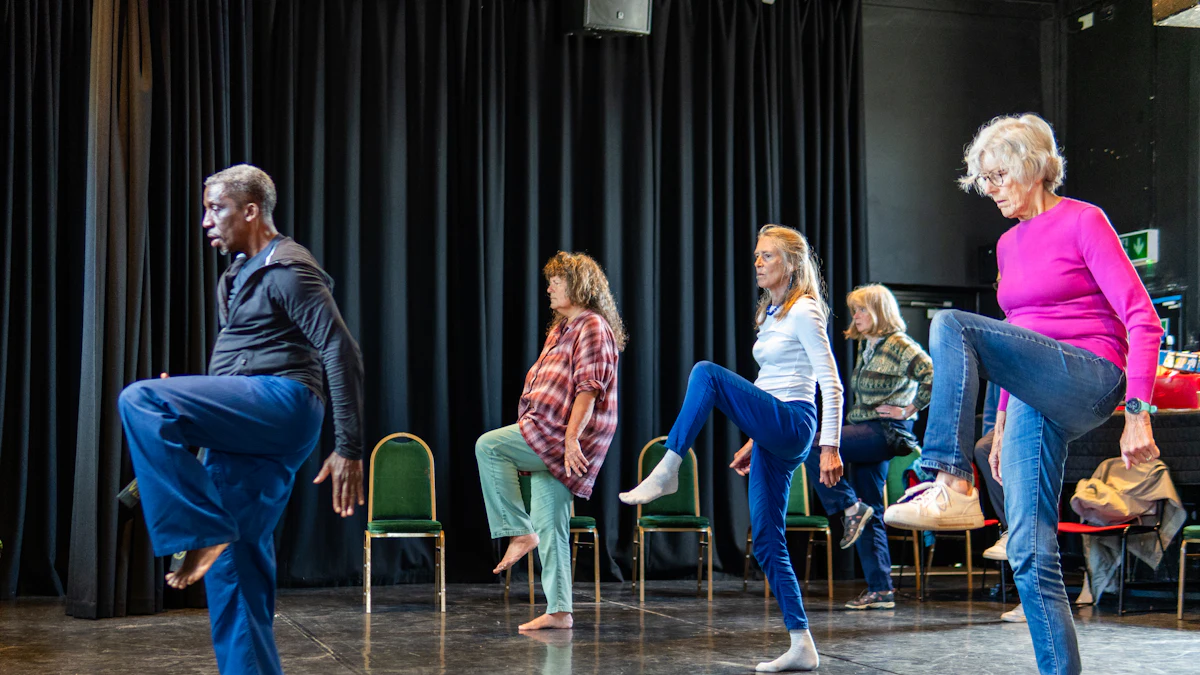
Individual assessment, varied exercise, a social experience and measurable progress: points for care home managers and care leads.
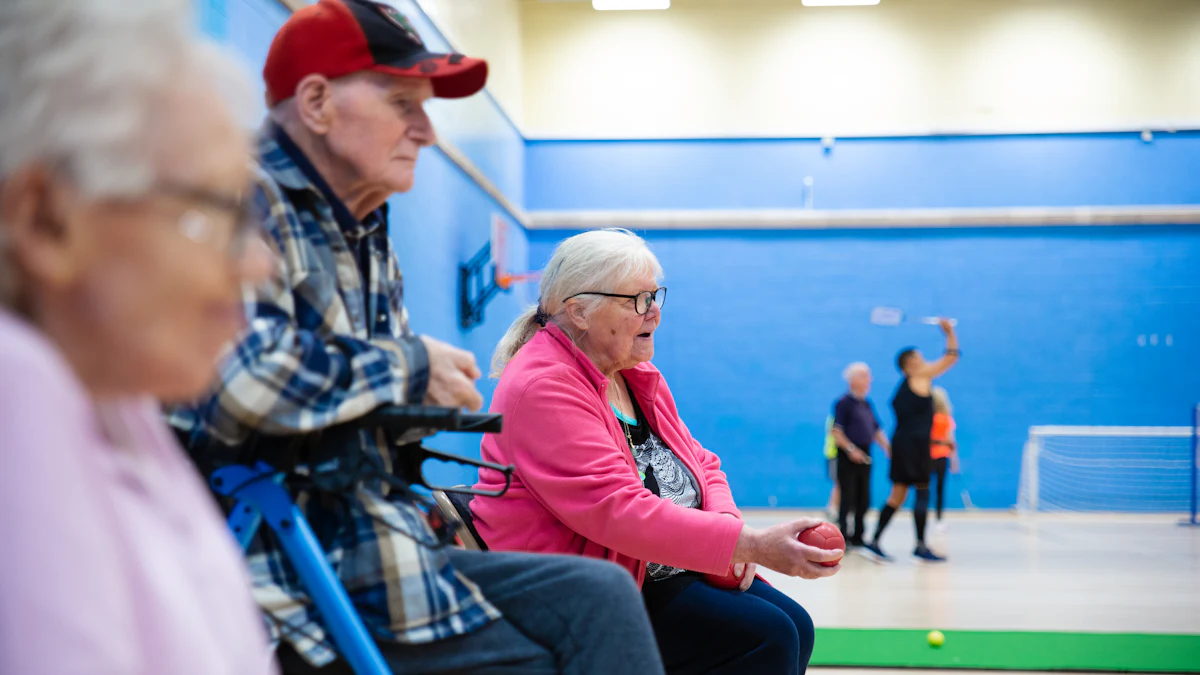
An interactive technology used in many settings, from athletes to movement and cognitive training in older age.