 Vivenza
When an older parent needs help at home – where to start?
Sometimes overnight, sometimes slowly, it becomes clear that mum or dad can no longer manage alone. A few steps that may help you sort out what to do.
For general information only. This article does not replace medical or professional advice; if you have a health concern, talk to a doctor.
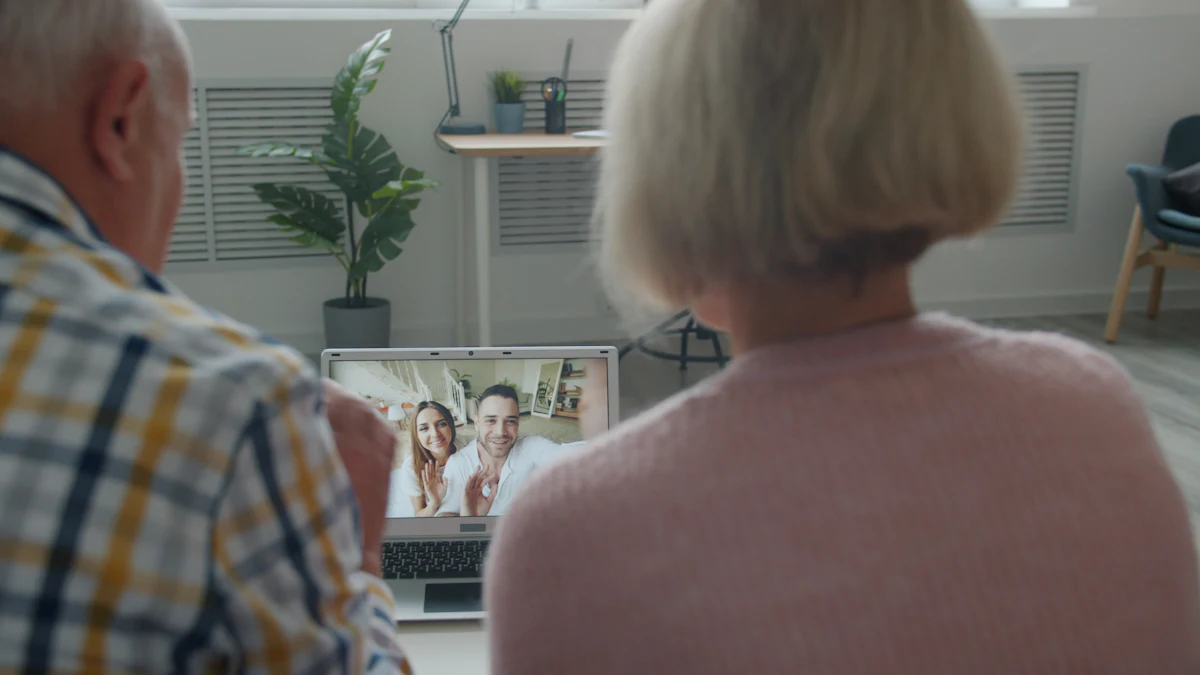
For many people, online consultations are now normal: no travel, no waiting room, and the family can join in. For older people and their relatives they can be especially useful when travel is hard, or when a quick question is not worth the trip. Still, they are not right for every situation.
According to the US MedlinePlus, telehealth can make it easier to reach a professional from home and can save a journey.1 In the NHS GP system in England it is also common for an appointment to be in person, by phone or online.2
Things that usually work well online:
MedlinePlus also lists the downsides: the professional may not know your full medical history, some problems cannot be judged without a physical examination, and there can be technical problems.1
In an emergency, don't book an online consultation. For chest pain, sudden weakness or slurred speech, difficulty breathing or a serious injury, call 112 (the European emergency number).
The European Commission's page on digital health shows how safe, cross-border handling of health data is gradually being built up in the EU.3 Internationally, the World Health Assembly, made up of WHO member states, adopted a global strategy on digital health in 2020.4 Even so, it is always worth knowing who handles your data: the provider's privacy notice should say.
Video calls are only one digital option. The NHS also describes personal alarms: they can be worn on the wrist or around the neck and, if there is a problem such as a fall, alert family or a 24-hour monitoring service; some have fall detectors built in.5 Home monitoring systems can use sensors for movement, doors opening, smoke or appliances left on, and send an alert.5
For an older relative it can help a lot if:
We wrote more about home safety equipment.
Online health consultations are available through MozgásKlinika's TelemedNet system. Vivenza provides information and a link through; booking, payment and health data handling happen on TelemedNet's own site, which is in Hungarian. If you are organising home support for an older relative, our article on help at home for an older parent may also help.
Last checked: 19 November 2026.
Find out which online consultations TelemedNet currently offers (in Hungarian).
About online consultations
Sometimes overnight, sometimes slowly, it becomes clear that mum or dad can no longer manage alone. A few steps that may help you sort out what to do.
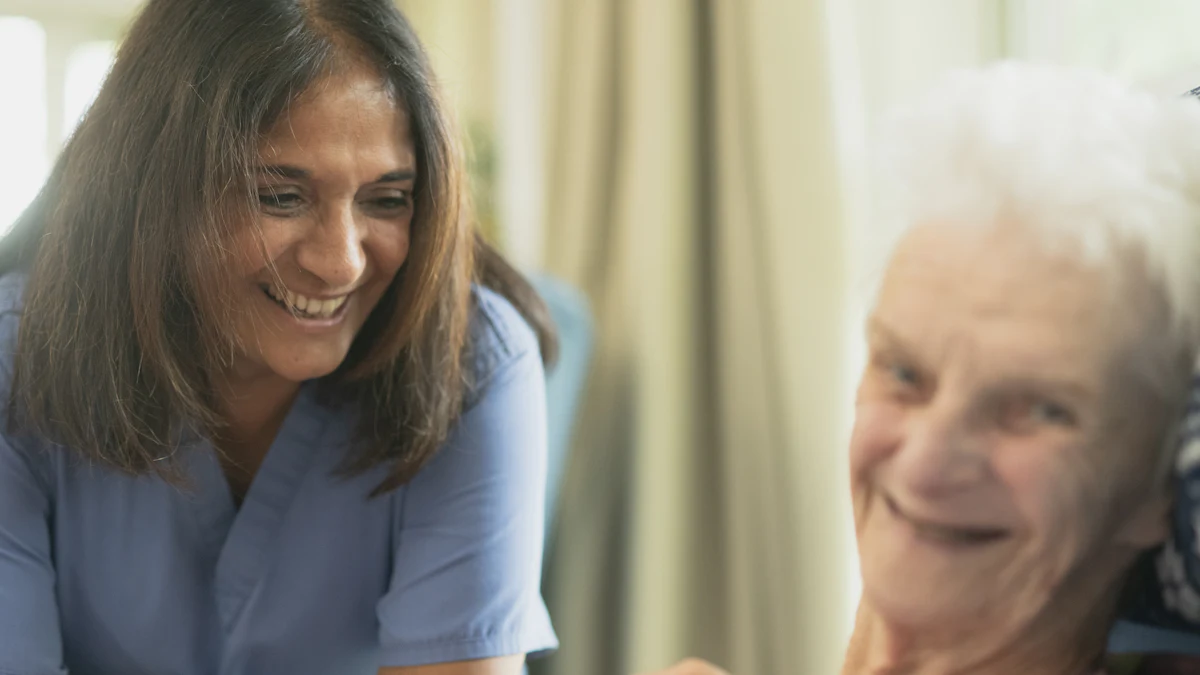
The first days at home are often harder than expected. What to ask while still in hospital, and how to get the flat ready.
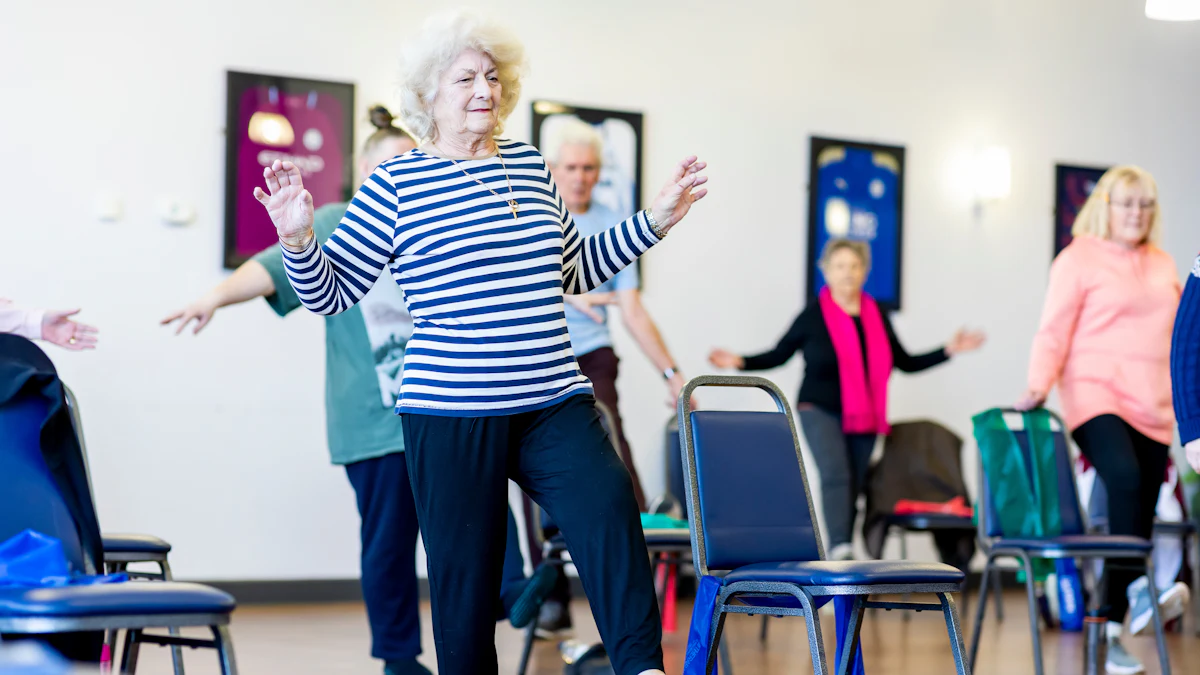
According to both the WHO and the NHS, regular exercise can be part of looking after the brain. But what does the research claim, and what not?