 Vivenza
Carer, nurse or physiotherapist? Who can help with what at home
Daily help, a health task or rebuilding movement? Who can help with what at home, and how to work out what is needed.
For general information only. This article does not replace medical or professional advice; if you have a health concern, talk to a doctor.
Going home is good news, but for an older person the first weeks after a hospital stay are often uncertain: they tire more easily, move more slowly, and have new medicines. A few steps thought through in advance can make this time much easier.
According to the NHS, planning to leave hospital ideally starts during the stay, and the family can be involved.1 It is worth asking:
Fall risk still matters after coming home. The NHS suggests removing trip hazards and, where needed, making changes to the home.4 In practice: a clear path from the bed to the bathroom, a night light, everyday things within reach. We wrote about the causes of falls in a separate article.
According to the WHO, the aim of rehabilitation is for people to stay as independent as possible in everyday activities.3 The NHS describes how in England short-term care, sometimes called intermediate care or reablement, may be available after a hospital stay, a fall or an illness. It can include exercises and help with everyday tasks, and usually lasts up to six weeks.2 The system in Hungary works differently, but the idea is useful: recovery has a planned, temporary phase.
Which movement is allowed, and how much, is always for the treating doctor or physiotherapist to decide. Long periods in bed can weaken muscles, so for many people it matters that the movement they are allowed comes back into their days as soon as possible.
After a major operation, such as hip or knee surgery, recovery often takes weeks. According to the NHS, physiotherapy is often used to help improve movement, strength and stamina after surgery.6 If someone's condition makes it hard to get to a clinic, a physiotherapist may be able to visit them at home, and may give exercises to do between sessions, which matter for recovery when done regularly.6
What can be loaded and when is for the surgeon and the physiotherapist to say. We wrote about the roles of the physiotherapist, the nurse and the carer in a separate article.
The time after coming home is demanding for relatives too. If needed, it is worth arranging in advance who will help with shopping, collecting prescriptions or the first few days. Our article on help at home for an older parent sets out how to work out what help is needed. Some questions, for example about a symptom or a medicine, can be discussed remotely with a professional.
The NHS care and support guide gives further points on what support at home may be possible.5
Last checked: 19 November 2026.
Describe briefly what support is needed; there is no obligation. The questionnaire is in Hungarian.
Elder care cooperation
Daily help, a health task or rebuilding movement? Who can help with what at home, and how to work out what is needed.
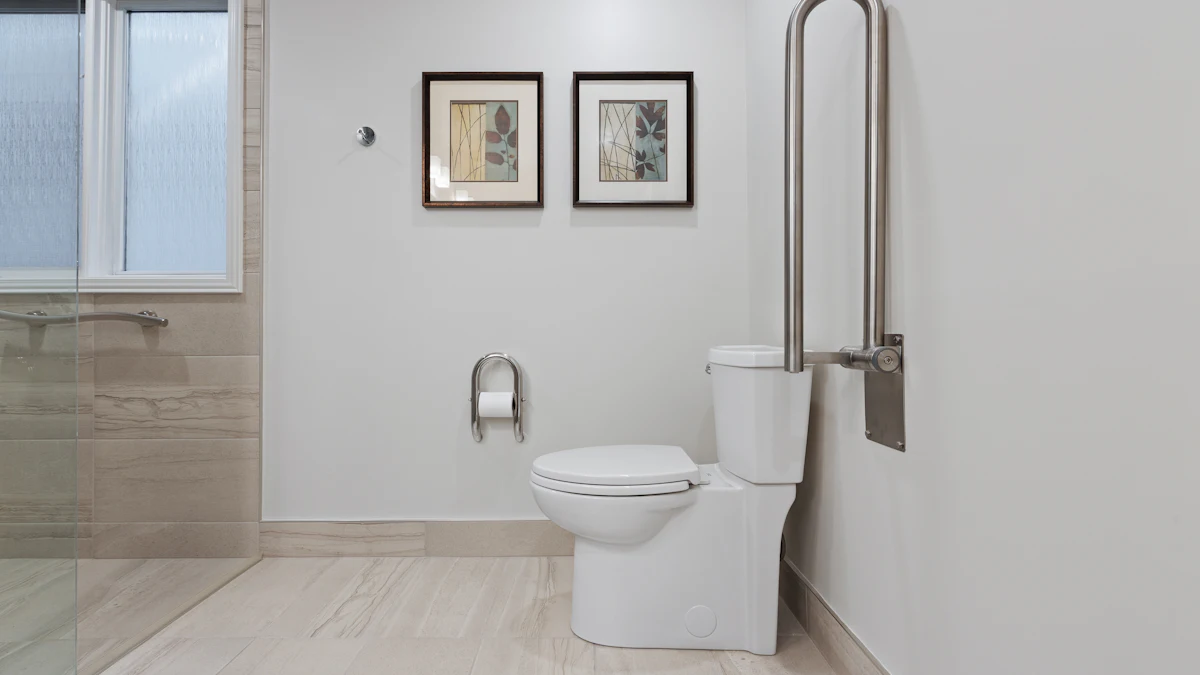
A grab rail, a night light, an alarm button: small changes that may help someone stay safe at home for longer.
Sometimes overnight, sometimes slowly, it becomes clear that mum or dad can no longer manage alone. A few steps that may help you sort out what to do.