 Vivenza
Fear of falling: how to rebuild confidence
After a fall, many people move less, and that can weaken them further. How can the cycle be broken?
For general information only. This article does not replace medical or professional advice; if you have a health concern, talk to a doctor.
In older age a fall is often about more than a bruise. According to the WHO, falls are the second leading cause of unintentional injury deaths worldwide, and about 71% of those deaths are in people over 60.1 After a fall many people become more cautious and move less, which can weaken strength and balance further.1
The risk can be influenced at several points. This summary draws on public material from the WHO, the NHS in England and the US National Institute on Aging (NIA). It does not replace individual medical advice.
These are the factors the sources mention most often:1,3
These often come together, so even one change can count.
The WHO lists exercise that challenges balance first among the effective measures.1 The NHS also puts strength and balance exercises first, and suggests that older adults do them on at least two days a week.2,4 Some of this can be done at home; we wrote about it separately: balance exercises at home.
The NHS suggests removing trip hazards (loose rugs, cables, clutter) and, where needed, making changes to the home, and the WHO lists targeted home hazard reduction among the effective measures.1,2 Often it is the small things: a night light on the way to the bathroom, a non-slip mat in the shower, a light switch you can reach easily.
It is worth going through your medicines with a GP or pharmacist from time to time, especially if you feel dizzy or drowsy.2,3 The NHS also recommends regular eye tests, and the NIA mentions enough sleep and limiting alcohol.2,3
The NIA stresses that fear of falling should not stop you from being active.3 According to the NHS, regular exercise may also help people who have fallen, or who worry about falling, feel more confident.4
The WHO's 2021 publication Step Safely sets out in detail which programmes and policies may help reduce falls at different stages of life.5
If someone has fallen more than once recently, walks unsteadily, or is afraid to get up after a fall, it is worth discussing with their GP. A doctor or physiotherapist can help work out what may be behind it, and which exercise is safe.
Vivenza is preparing playful balance and coordination programmes led by a professional, for homes and institutions. If you are looking for help for an older relative, you can tell us here. The time after a hospital stay is especially sensitive; we wrote about going home after a hospital stay.
Last checked: 19 November 2026.
Home and institutional programmes with playful tasks matched to each person.
See the programmes
After a fall, many people move less, and that can weaken them further. How can the cycle be broken?
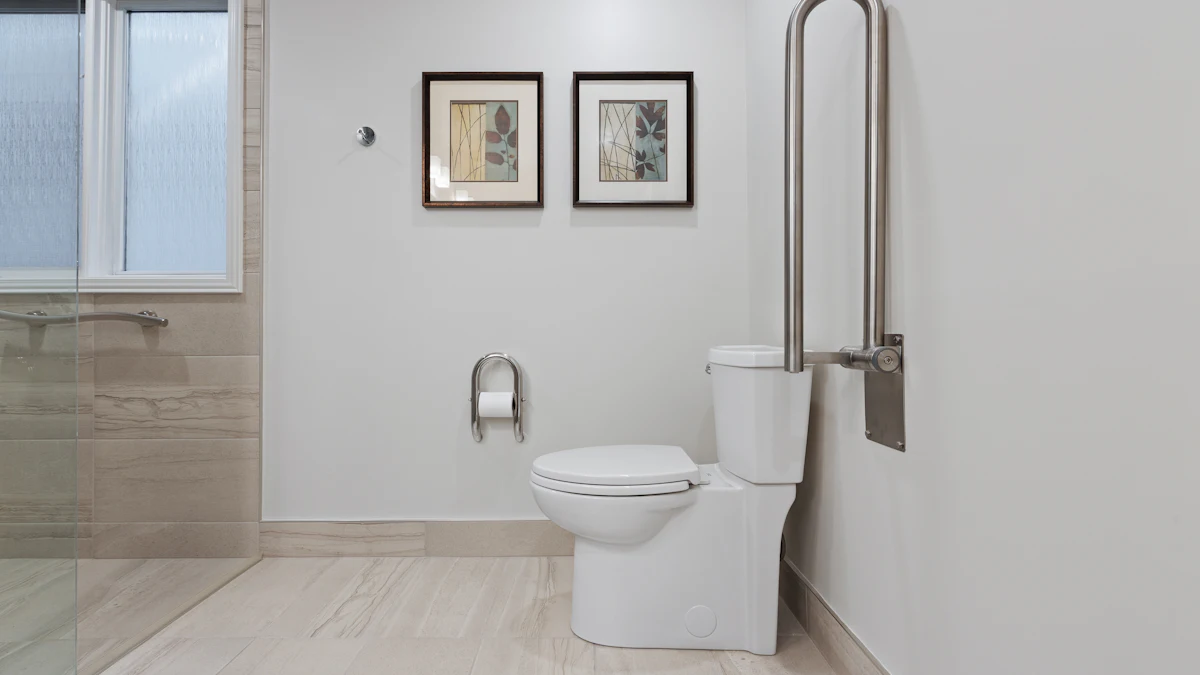
A grab rail, a night light, an alarm button: small changes that may help someone stay safe at home for longer.
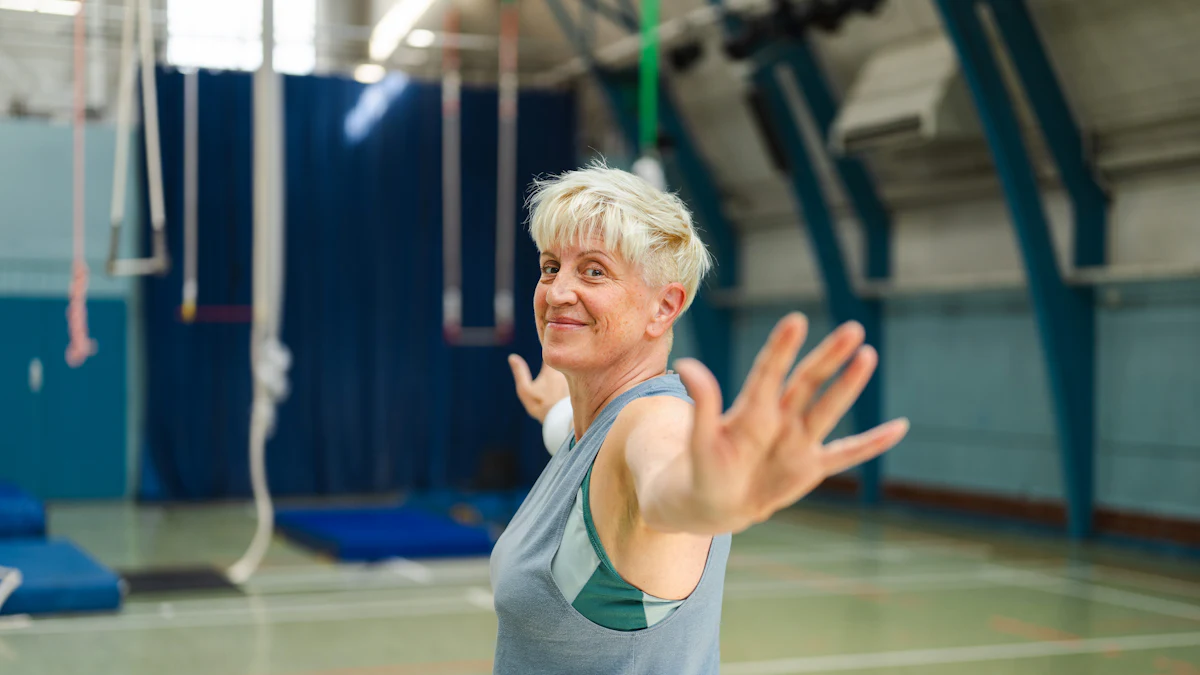
A sturdy chair, a wall and two sessions a week: that is how the NHS describes the basics of balance practice at home. What to watch for at the start.