 Vivenza
Falls in older age – what raises the risk, and what can help?
A fall rarely has just one cause. Here is what international health bodies say about the risks, and what they suggest doing about them.

For general information only. This article does not replace medical or professional advice; if you have a health concern, talk to a doctor.
In short: fear of falling is understandable, but if it makes someone move less, that can weaken strength and balance further. According to the NHS, exercises that improve strength, balance and flexibility can help people feel stronger and more confident on their feet.1
According to the WHO, injuries from falls can lead to a loss of confidence and less activity, which can start a cycle of increasing frailty.2 Less movement means weaker muscles, and weaker muscles mean a higher risk of falling. MedlinePlus also lists leg muscle weakness and balance problems among the causes of falls.5
The NHS guidance for older adults says that if you have fallen or are worried about falling, exercises that improve strength, balance and flexibility can help.1 The recommendation is at least two days a week.1 The NHS also shows balance exercises you can do at home, using a sturdy chair or kitchen worktop for support.4 We picked some of them for our article on balance exercises at home.
The NHS says making changes can help you keep your confidence and independence.3 This may mean removing trip hazards, better lighting or suitable footwear.3 We wrote a separate article on making the home safer.
The NHS suggests talking to a GP if you are worried about your balance or have had a fall.3 According to MedlinePlus, medicines, eyesight problems, low blood pressure or other health causes may be behind it.5
We have also written about the role of muscle strength in older age and about the risk factors for falls.
Vivenza's balance and coordination programme trains balance in a playful way, led by a professional, at home or in a care setting. If you are looking for a home physiotherapist, use the request for help. The questionnaire is in Hungarian.
Yes, it is common. The problem comes if fear makes you move less, because that can weaken strength and balance further.
According to the NHS, exercises for strength, balance and flexibility, on at least two days a week, built up gradually and starting with something to hold on to.
If you have fallen, feel unsteady when walking, or are worried about your balance. The doctor can review your medicines and other possible causes.
Yes. A physiotherapist or a trained movement professional can assess your condition and put together safe, gradual exercises.
Last checked: 19 November 2026.
Playful balance training led by a professional, at home or in a care setting.
About the balance programme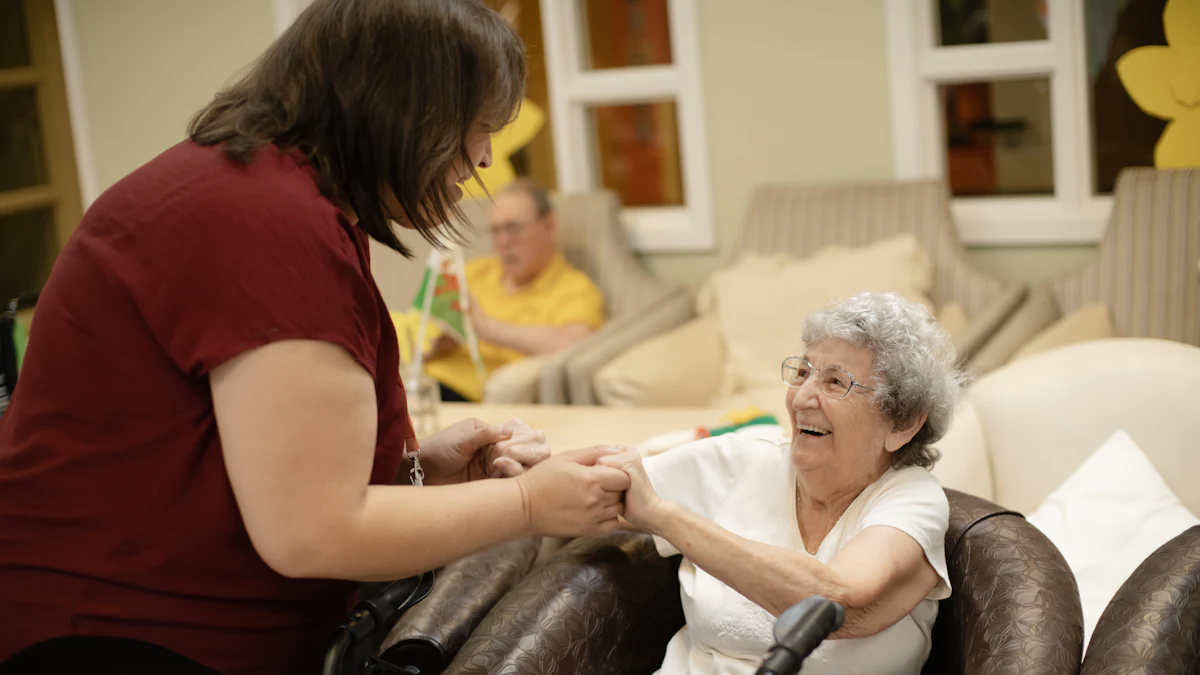
A fall rarely has just one cause. Here is what international health bodies say about the risks, and what they suggest doing about them.
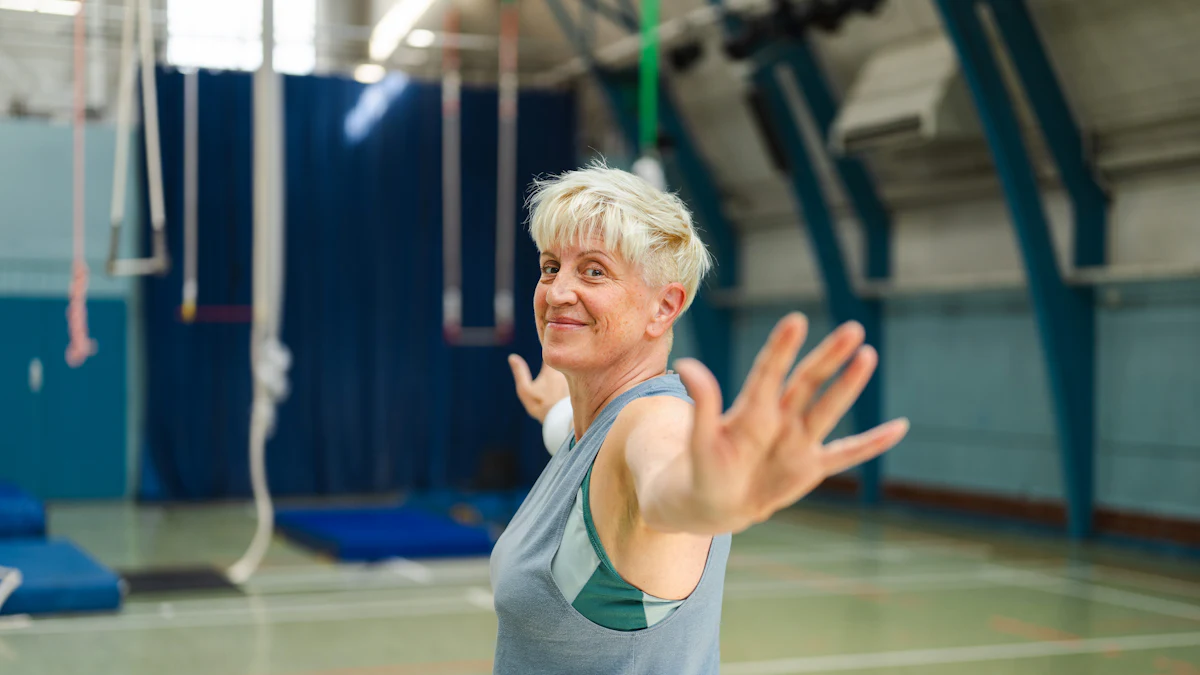
A sturdy chair, a wall and two sessions a week: that is how the NHS describes the basics of balance practice at home. What to watch for at the start.
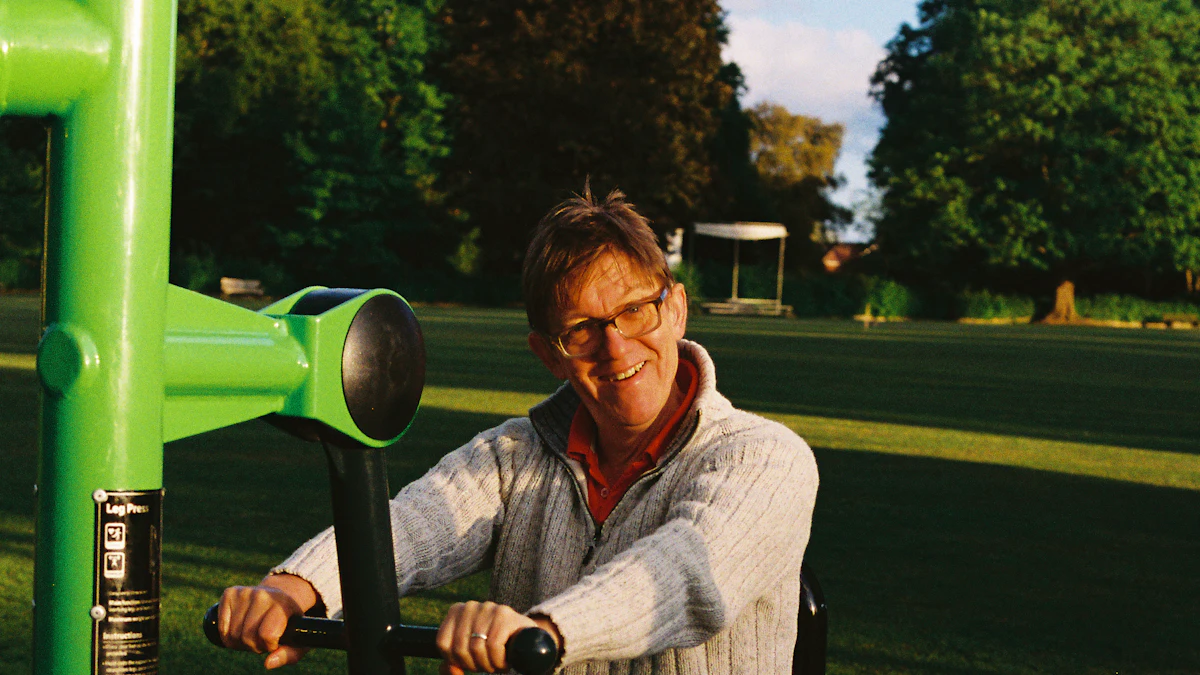
Muscle mass can decline with age, and that affects strength and balance. What can we do about it, even at home next to a chair?