 Vivenza
Fear of falling: how to rebuild confidence
After a fall, many people move less, and that can weaken them further. How can the cycle be broken?
For general information only. This article does not replace medical or professional advice; if you have a health concern, talk to a doctor.
In short: according to MedlinePlus, muscle mass declines with age, which can mean less strength, tiring more quickly and a higher risk of falls.1 Regular strength exercise, even at home next to a sturdy chair, may help keep up strength.2,3 Medical literature calls an abnormally fast loss of muscle in older age sarcopenia.
MedlinePlus describes it like this:1
Losing muscle mass reduces strength. Weakness can lead to tiredness and less ability to cope with activity, and instability and loss of balance can lead to falls.1 MedlinePlus also lists leg muscle weakness among the causes of falls.5
The NHS says older adults should do activities that improve strength, balance and flexibility on at least two days a week.4 MedlinePlus describes four types of exercise: endurance, strength (with weights or resistance bands), balance and flexibility, and says doing all four may bring more benefit.3 The WHO guidelines on care for older people (ICOPE) put keeping up mobility and muscle function among their first priority areas.6
Some of the NHS strength exercises:2
The NHS recommends a sturdy chair without wheels or arms, and building up slowly.2 MedlinePlus also stresses starting slowly and checking with your doctor.3
The WHO ICOPE guidelines also list malnutrition among the things that put mobility at risk.6 If someone isn't eating enough or is losing weight, it is worth discussing with their doctor.
Strength improves best together with balance: see our balance exercises at home. If fear is holding you back after a fall, our article on fear of falling may help. We wrote about movement and independence.
If you would like to practise with a professional, Vivenza's home sessions and the professional finder can help. With a long-term condition or any doubt, check with a doctor or physiotherapist before starting.
A marked, abnormal loss of muscle mass and strength in older age. Everyone loses some muscle with age; regular strength exercise may slow it.
According to MedlinePlus, muscle changes often begin in the 20s in men and the 40s in women, and genes affect how fast.
No. The NHS strength exercises can be done at home with a sturdy chair, a wall or a water bottle.
The NHS recommends that older adults do activities for strength, balance and flexibility on at least two days a week, building up gradually.
Last checked: 19 November 2026.
Home sessions led by a professional, or find a professional to help. The questionnaire is in Hungarian.

After a fall, many people move less, and that can weaken them further. How can the cycle be broken?
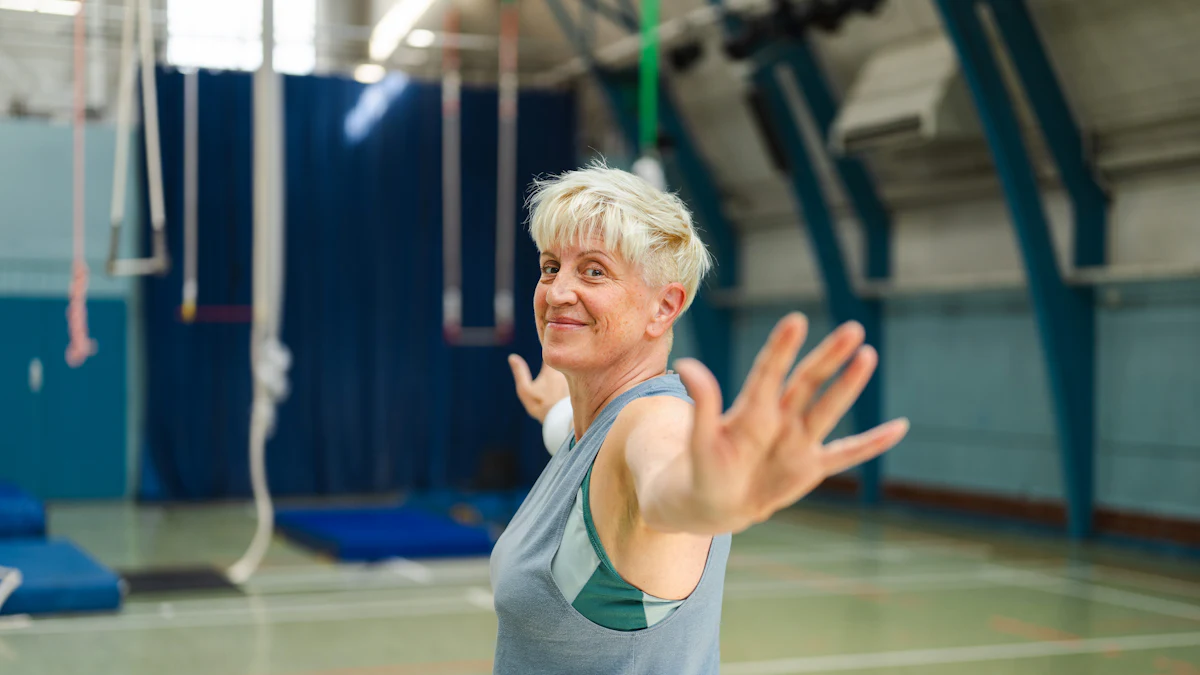
A sturdy chair, a wall and two sessions a week: that is how the NHS describes the basics of balance practice at home. What to watch for at the start.
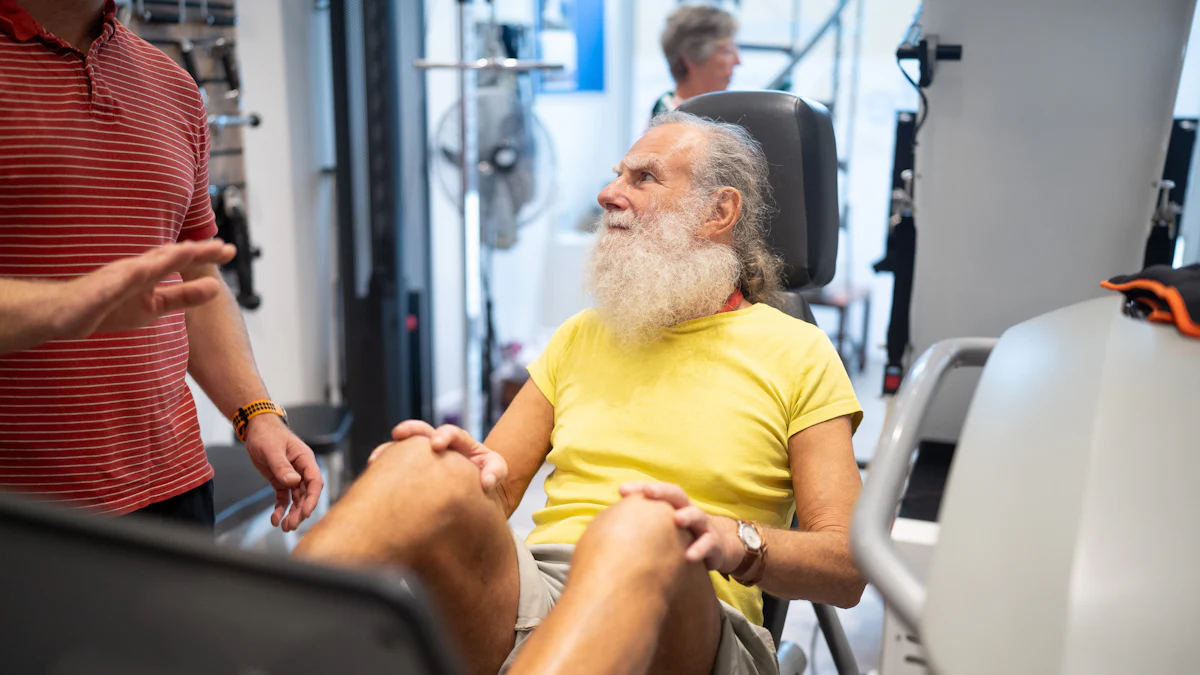
Regular movement matched to your own abilities is an important part of staying independent.