 Vivenza
Muscle loss in older age: why strength training matters
Muscle mass can decline with age, and that affects strength and balance. What can we do about it, even at home next to a chair?
For general information only. This article does not replace medical or professional advice; if you have a health concern, talk to a doctor.
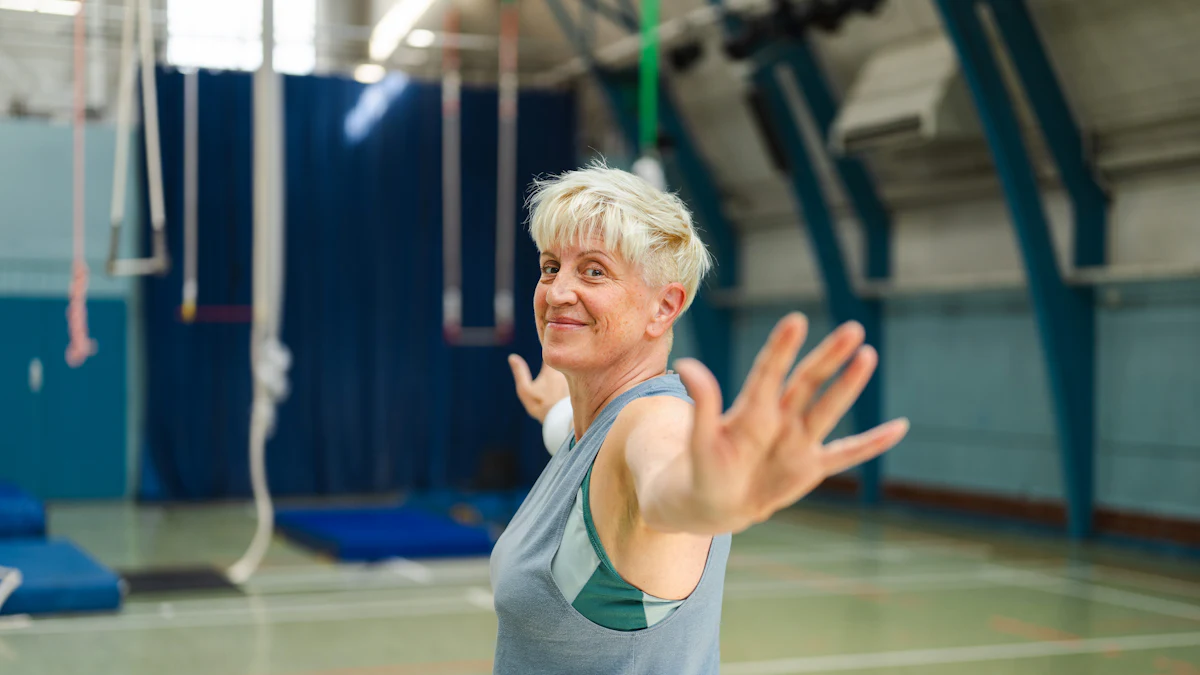
Balance is not a fixed ability: it can be maintained with practice, and for many people it can improve. The NHS guidance for older adults suggests doing activities that build strength, balance and flexibility on at least two days a week.1
This article is not a training plan, just a starting point. If you have a long-term condition, have had recent surgery or often feel dizzy, talk to a doctor or physiotherapist before you start.4
The NHS page on balance exercises describes simple moves you can do at home, for example:2
The NHS page shows how to do each one, with pictures. Strength matters just as much: standing up from a chair and sitting back down, for example, works the thigh muscles and is one of the NHS strength exercises.3
Balance matters not only while you exercise but with every step. The NHS falls prevention page suggests, among other things:6
The type and height of a walking aid are best chosen with a professional such as a physiotherapist. According to the NHS, after a fall a GP may refer someone to a specialist falls service, which may include strength and balance training, a check that the home is safe and a review of medicines.6 In Hungary such services are not available everywhere; the GP and a physiotherapist are a good place to start.
Falls often happen in an unexpected moment: a trip, someone stepping in front of you, a foot slipping. What counts then is how quickly you can take a saving step or grab hold of something. The exercises above, such as sideways walking and cross-stepping, help lay the groundwork.2 Tasks that ask you to change direction or react to a signal train exactly this situation; there is less public health guidance on them, so build them up gradually, in a safe space and preferably with a professional.
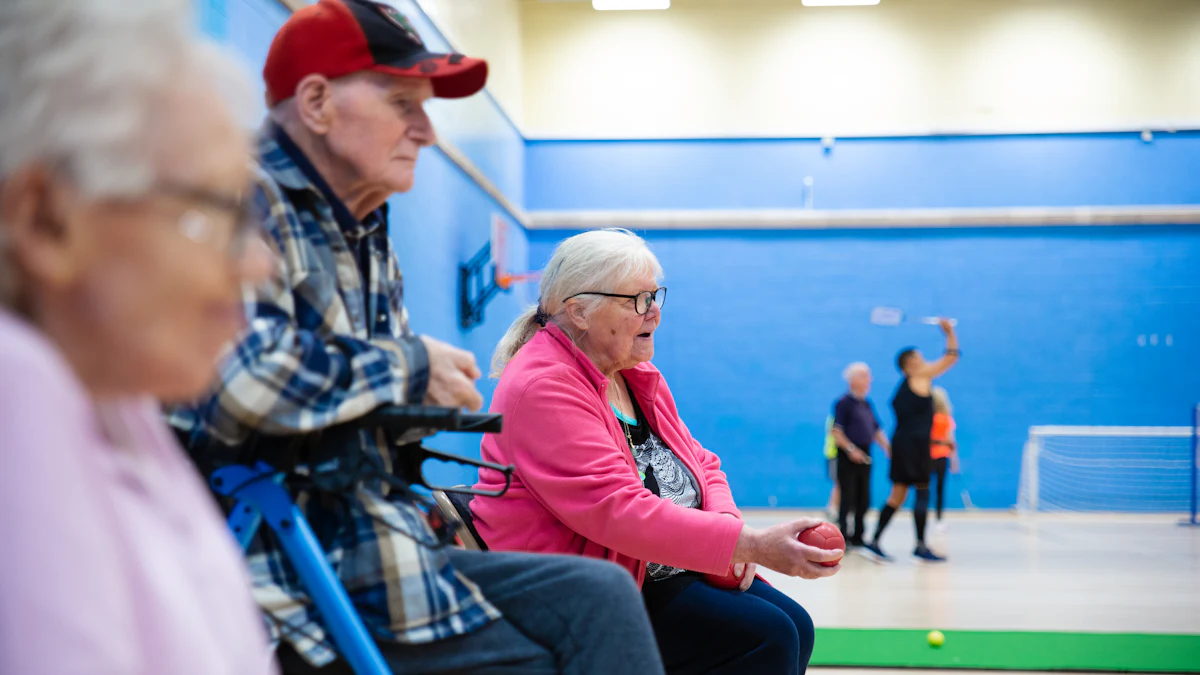
According to the NIA, yoga, Pilates and tai chi may also improve balance and strength.5 They can be done in a group with an instructor, which makes it easier for many people to keep going.
If you feel dizzy, have chest pain, get short of breath or feel strong pain while exercising, stop and get medical advice. The goal is for exercise to be safe, not as hard as possible.
Some people find repetition dull. That is why Vivenza is preparing programmes led by a professional where stepping and balance tasks come as a game, reacting to light signals. You can read about the MOTO Tiles technology behind it. For more on fall risk, see this summary.
Last checked: 19 November 2026.
Let us know, and we will work out the right format for a home or an institution.
Find out more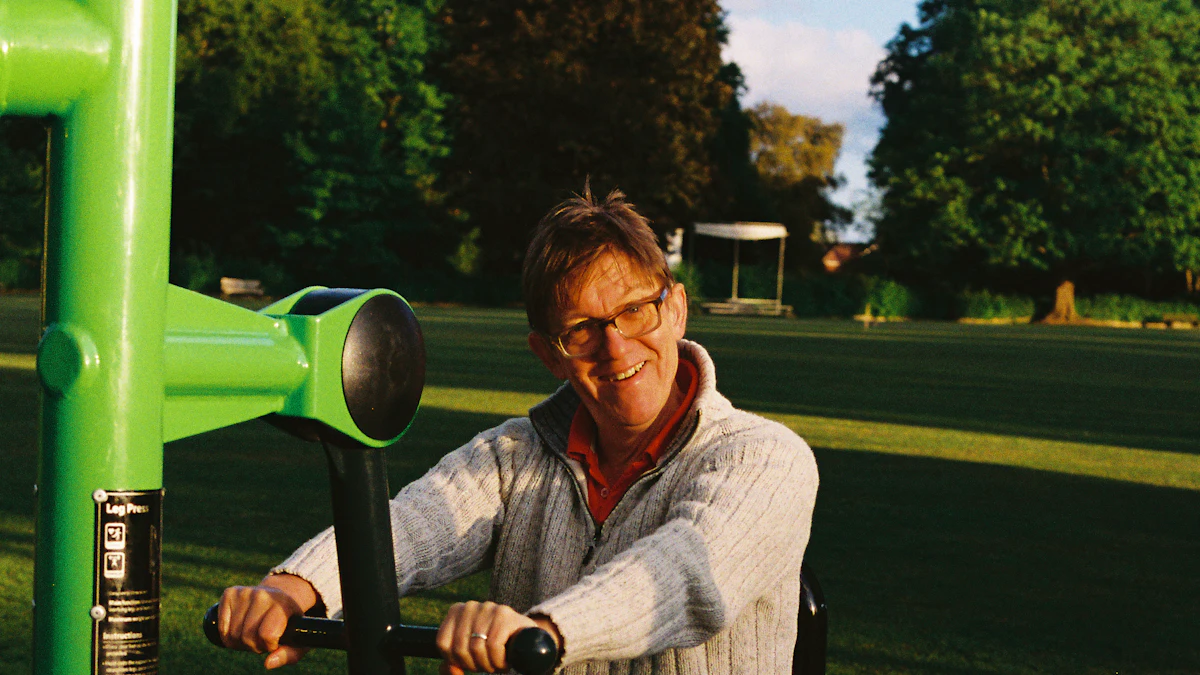
Muscle mass can decline with age, and that affects strength and balance. What can we do about it, even at home next to a chair?
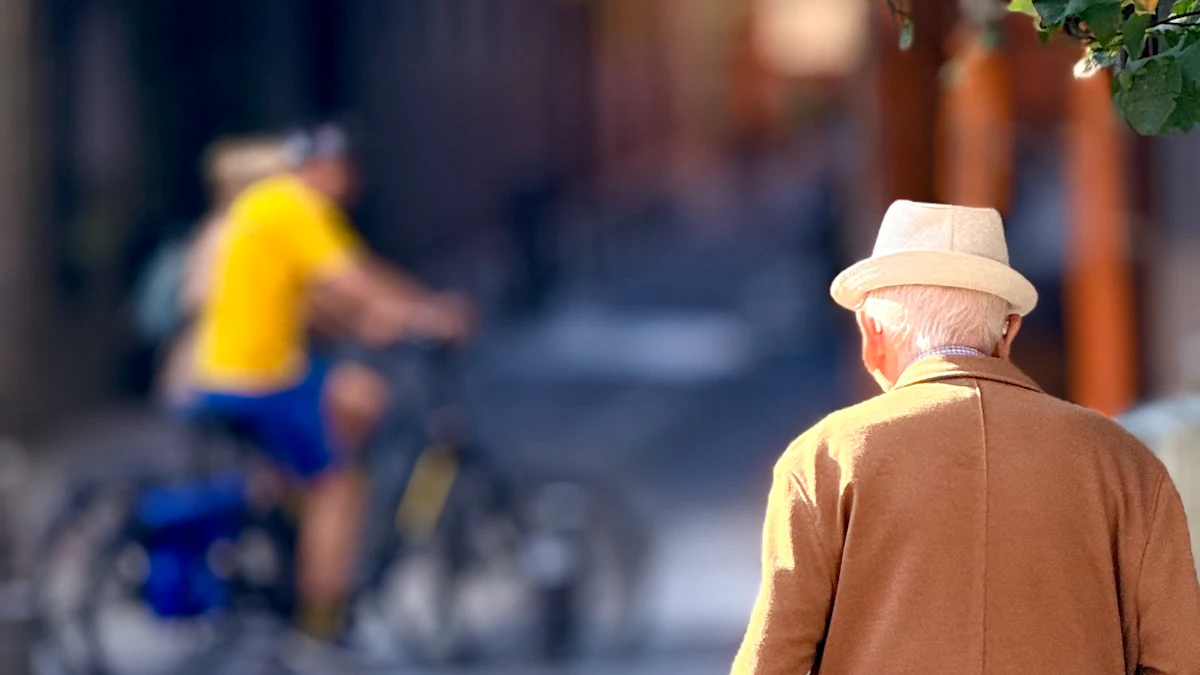
After a fall, many people move less, and that can weaken them further. How can the cycle be broken?
An interactive technology used in many settings, from athletes to movement and cognitive training in older age.