 Vivenza
Exercise programmes in care homes: what should providers look for?
Individual assessment, varied exercise, a social experience and measurable progress: points for care home managers and care leads.
An interactive technology used in many settings, from athletes to movement and cognitive training in older age.
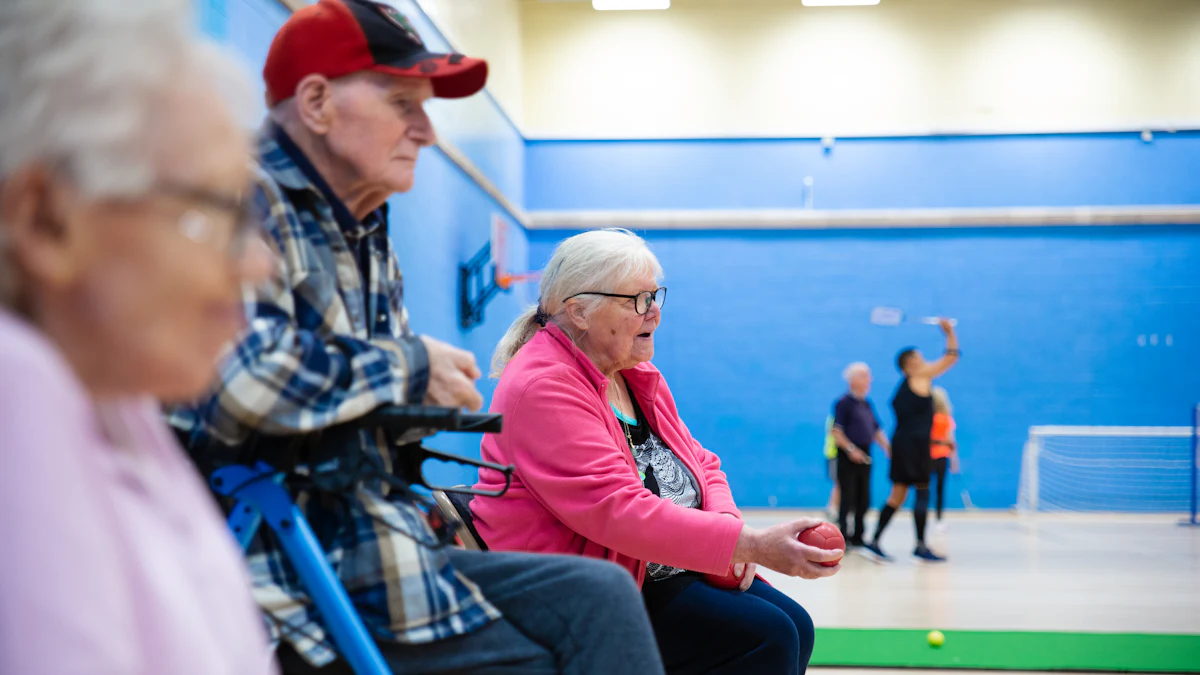
For general information only. This article does not replace medical or professional advice; if you have a health concern, talk to a doctor.
MOTO Tiles is an interactive movement system developed in Denmark. Light-up, pressure-sensitive tiles turn movement into a playful task.
Players react to light signals: they step, change direction, touch a tile, or solve more complex memory and attention tasks.
What makes the technology different is that it brings physical activity and cognitive challenge into the same exercise.
The system is made of portable interactive tiles that can be laid out in different patterns.
An app runs the tasks, and you choose the games and difficulty levels in it.
The games range from simple reaction tasks to coordination challenges, memory games and more complex movement-and-thinking exercises.
Difficulty can be adjusted to the player's abilities.
For safe movement in older age, practising balance, coordination and quick, appropriate movement responses matters.
MOTO Tiles offers varied tasks for these skills, and the game format may also help people keep practising regularly.
Combining movement with thinking tasks can be a physical and a cognitive challenge at the same time.
The games give a chance to practise attention, memory, spatial orientation and decision-making.
The technology has also been studied with older people living with dementia, mainly as a way to support playful activity and functional abilities.
This kind of use does not replace medical care for dementia.
MOTO Tiles is not only for older people.
With athletes it can be used for tasks that need reaction, speed of movement, coordination and decision-making.
For children and younger players it can offer playful movement and attention challenges.
The system works for individual and group sessions alike.
It can be used in care homes, movement studios, sports facilities, community programmes and events.
The value of MOTO Tiles is not in the light-up tiles themselves.
Its main advantages:
There are studies and practical trials on how the technology is used with older people and in other settings.
The results have to be read with the participants, tasks and measures of each study in mind.
Using the system does not guarantee a health outcome for every user.
A few publications we could read directly:
These studies are small, and their authors include researchers from the Center for Playware at the Technical University of Denmark (DTU). The manufacturer's site summarises further studies from Denmark, Japan, China and Taiwan [4]; we could not check the figures given there against an independent, direct source, so we do not quote them here.
More information: moto-tiles.com/effects.html
Vivenza plans to use MOTO Tiles in programmes led by a professional that support older people's safe movement, coordination and cognitive activity.
The planned services include home sessions, care home programmes, demonstrations for institutions and pilot projects.
Last checked: 19 November 2026.
Home and institutional programmes, led by a professional.
See Vivenza's innovative solutions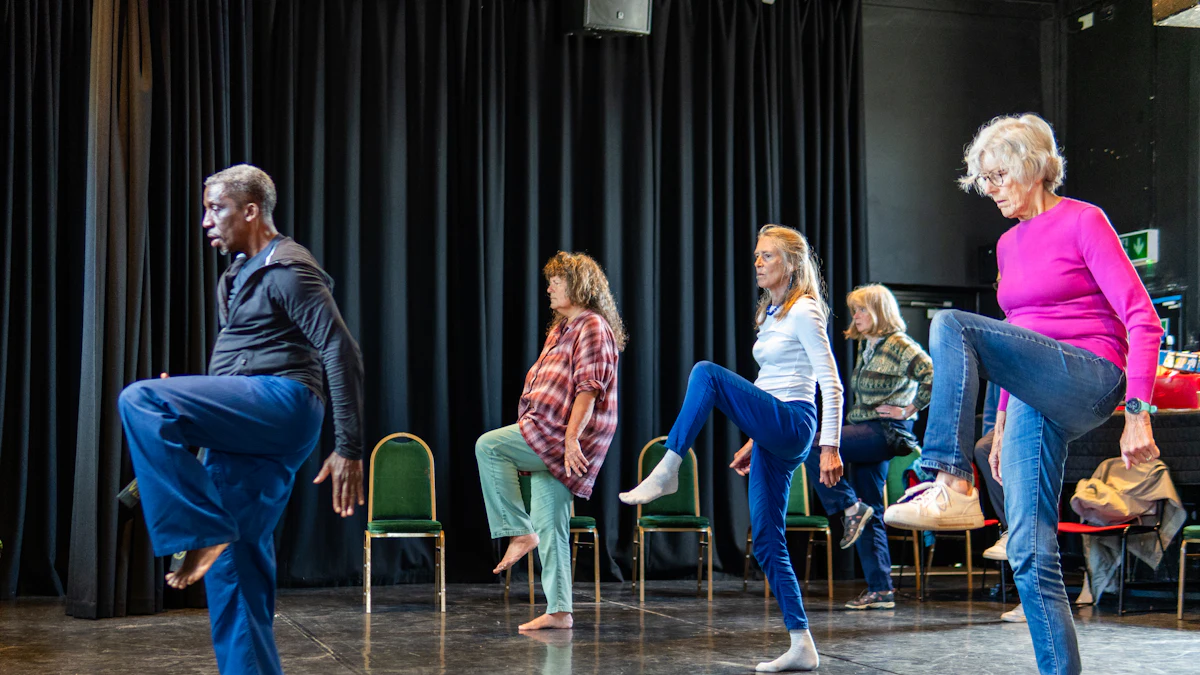
Individual assessment, varied exercise, a social experience and measurable progress: points for care home managers and care leads.
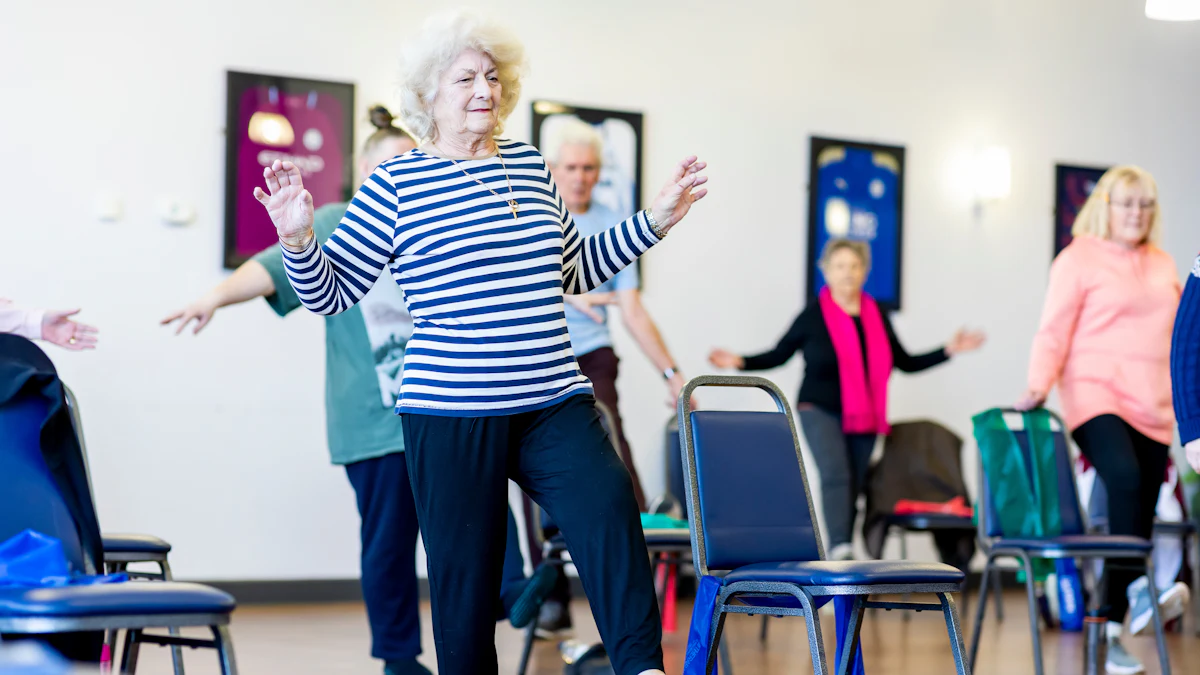
According to both the WHO and the NHS, regular exercise can be part of looking after the brain. But what does the research claim, and what not?
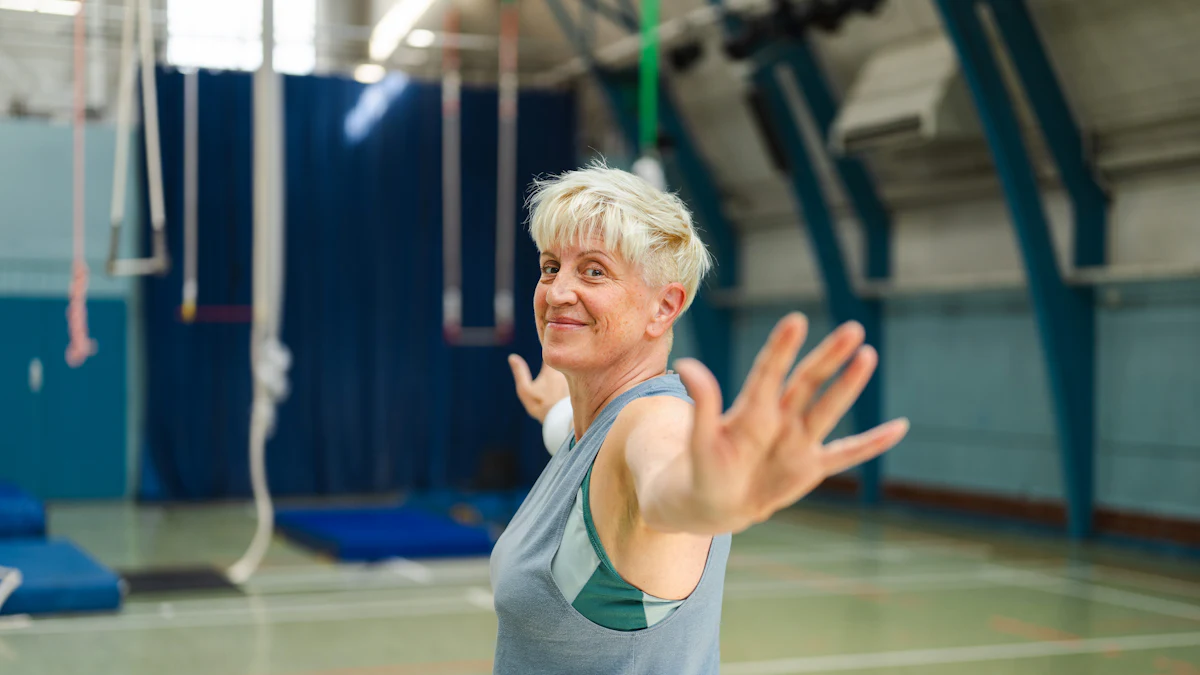
A sturdy chair, a wall and two sessions a week: that is how the NHS describes the basics of balance practice at home. What to watch for at the start.