 Vivenza
Forgetfulness or dementia? When to see a doctor
A forgotten name is no reason to worry. But when is it worth seeing a doctor? The key signs, simply put.
For general information only. This article does not replace medical or professional advice; if you have a health concern, talk to a doctor.
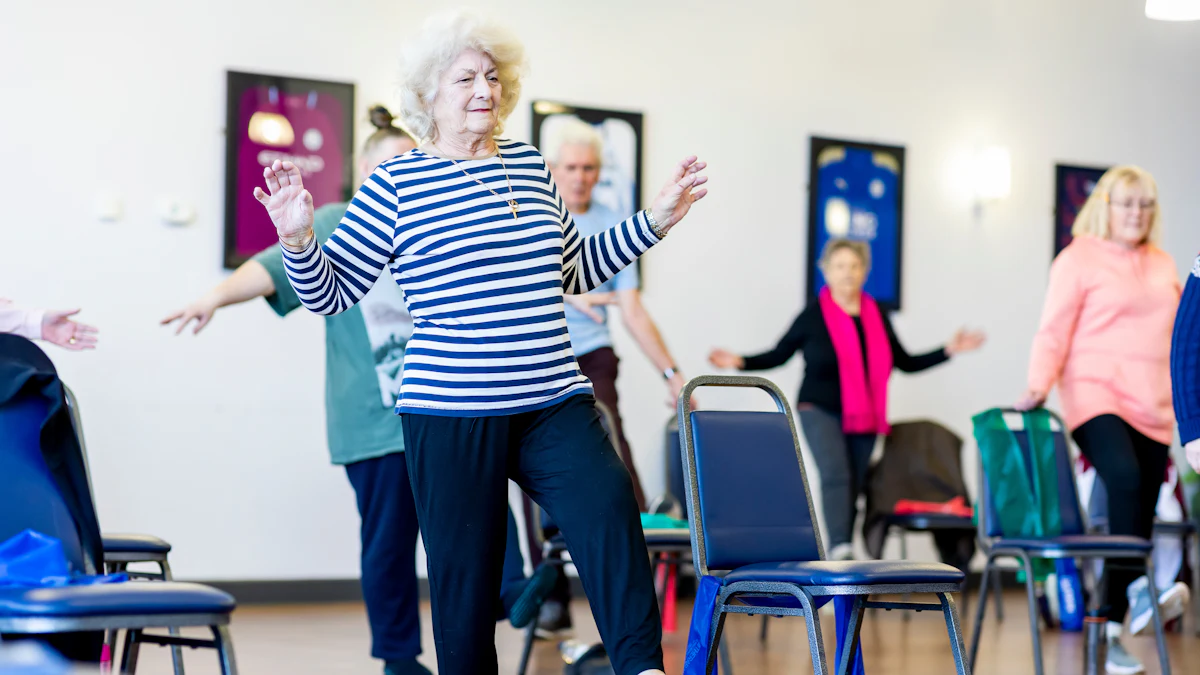
Many people ask whether exercise helps memory. The short answer: according to international guidance, regular physical activity can be part of brain health too, but the research does not promise miracles, and many questions are still open.
According to the NHS, older adults who do not exercise regularly are more likely to have problems with memory or thinking. As the NHS puts it, what is good for your heart is also good for your brain.1 It estimates that roughly 4 in 10 dementia cases may be linked to risk factors that can be changed.1
The WHO fact sheet on dementia says dementia is not an inevitable part of ageing. Among the risk factors it names physical inactivity, social isolation, hearing and vision loss, depression and high blood pressure.2 The WHO's 2019 guideline on reducing the risk of cognitive decline and dementia lists regular physical activity among the recommended steps.3
The US NIA is more cautious: it recommends regular exercise, but also says more research is needed to understand how, and how much, exercise affects cognitive decline.4 On social contact and mentally active pastimes it writes that they may support cognitive function, but the evidence for a lasting effect is not yet clear.4
So it is worth being careful with promises that a particular exercise, gadget or game will "improve memory".
According to the NIA, cognitive training, which practises specific thinking skills, appears to have benefits for maintaining cognitive health in older adults.4 In a large US trial that followed people for ten years (ACTIVE), those trained in reasoning or speed of processing showed less decline than the memory-training and control groups.4 The NIA also warns that there is not enough evidence that commercial brain-training apps have the same effect.4
Cognitive-motor (or neuromotor) training, which asks for movement and thinking at the same time, is a newer field still. Here too, caution is needed: a programme is not proven to work just because it combines movement and thinking.
More and more programmes link movement with thinking tasks: remembering dance steps, changing direction on a signal, recalling sequences. These are a physical and a mental challenge at once, and many people simply find them more fun than repetitive exercise. Doing them with others has value in itself.
Vivenza's memory and cognitive activity programmes are built on this idea. One of the tools is MOTO Tiles, which we cover, along with the studies done with it, in a separate article. These programmes do not cure dementia and do not replace medical care.
If you notice a clear, lasting change in someone's memory, talk to their GP. Getting checked early can help a lot with planning what comes next.
Last checked: 19 November 2026.
Cognitive-motor sessions led by a professional, at home and in institutions.
About the programmes
A forgotten name is no reason to worry. But when is it worth seeing a doctor? The key signs, simply put.
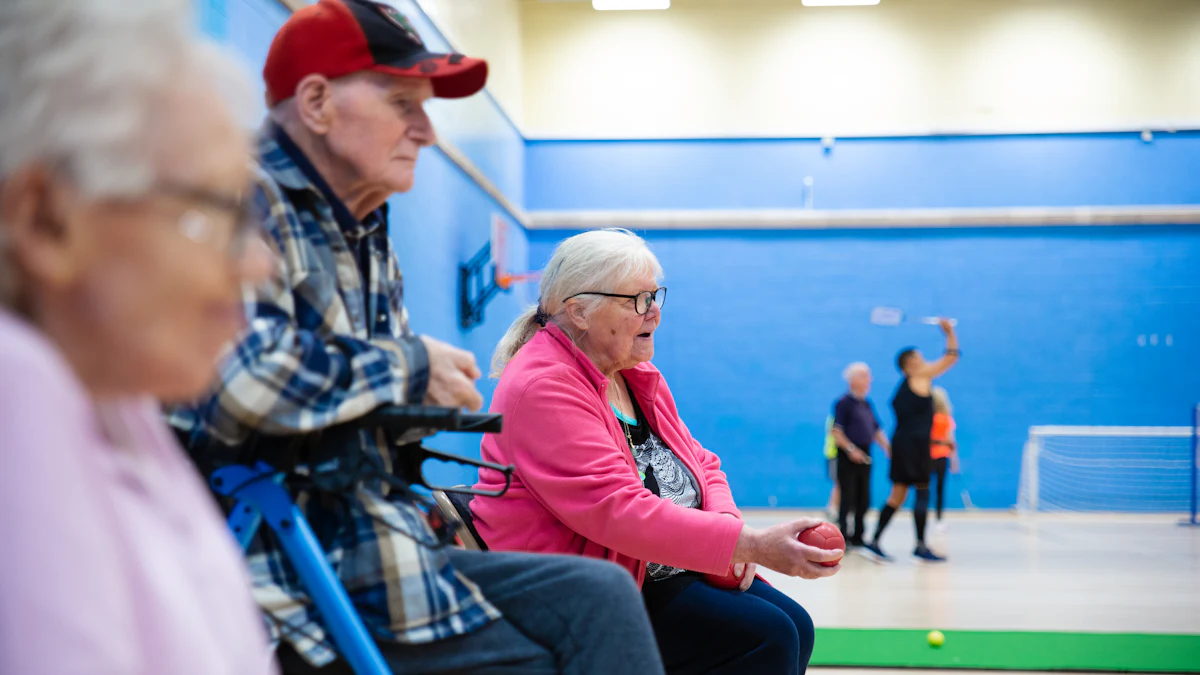
An interactive technology used in many settings, from athletes to movement and cognitive training in older age.

You don't need a training plan straight away. According to the WHO, some activity is better than none. A few ideas for breaking up long spells of sitting.