 Vivenza
Balance exercises at home – how to start safely
A sturdy chair, a wall and two sessions a week: that is how the NHS describes the basics of balance practice at home. What to watch for at the start.

For general information only. This article does not replace medical or professional advice; if you have a health concern, talk to a doctor.
In front of the TV, at the table, on the bus – many people don't notice that they spend most of the day sitting. In older age this can weigh more, because without movement strength and stamina can decline faster.
According to the WHO, physical inactivity is one of the leading risk factors for noncommunicable diseases, and people who are not active enough have a 20–30% higher risk of death than those who are sufficiently active.1 The clear message of the WHO's 2020 guidelines: some physical activity is better than none, and replacing sitting time with activity of any intensity can bring benefits.2
The NHS guidance for older adults suggests, alongside 150 minutes of moderate (or 75 minutes of vigorous) activity a week, breaking up long periods of sitting, even with light activity.3 The NHS counts moving around your home or making a cup of tea as light activity.3
For exercising outdoors the US NIA suggests checking the weather, drinking enough, wearing visible clothing and suitable shoes, and telling someone where you are going.5
Once daily movement is going well, a next step can be targeted strength and balance practice; our article on balance exercises at home may help. We wrote about how movement relates to memory. And Vivenza's innovative programmes link movement and thinking in a playful way.
With a long-term condition or any doubt, it is worth checking with a doctor or physiotherapist before doing more.
Last checked: 19 November 2026.
Balance and cognitive programmes led by a professional, at home and in institutions.
Innovative solutions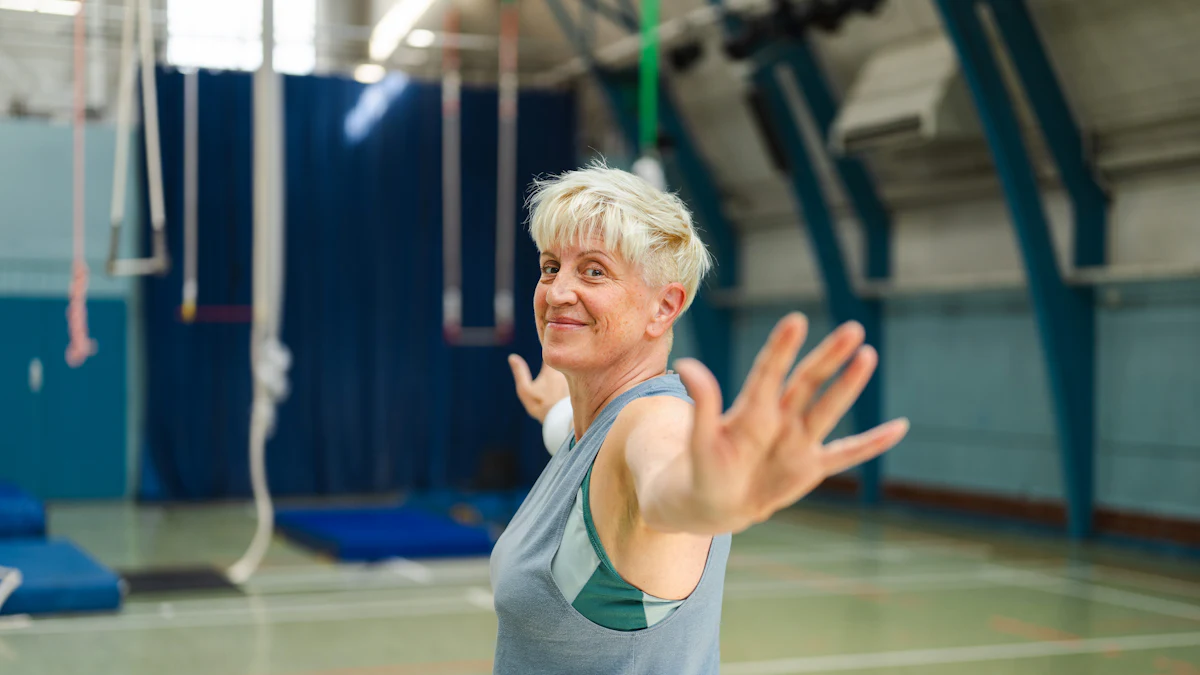
A sturdy chair, a wall and two sessions a week: that is how the NHS describes the basics of balance practice at home. What to watch for at the start.
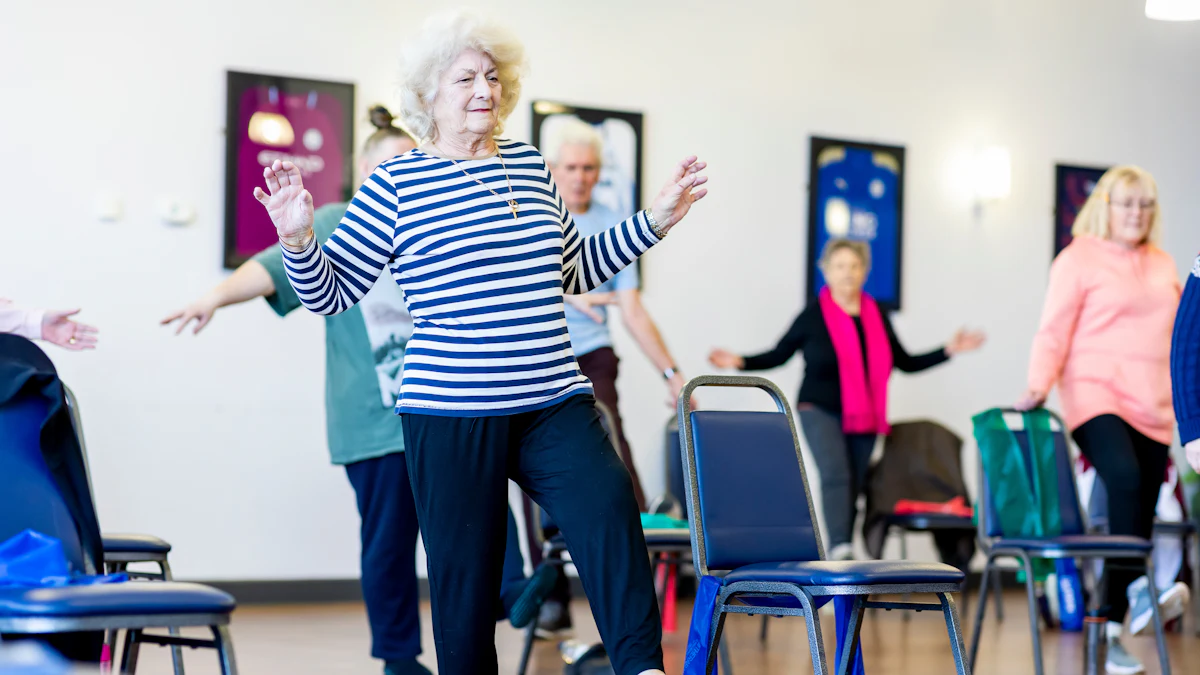
According to both the WHO and the NHS, regular exercise can be part of looking after the brain. But what does the research claim, and what not?
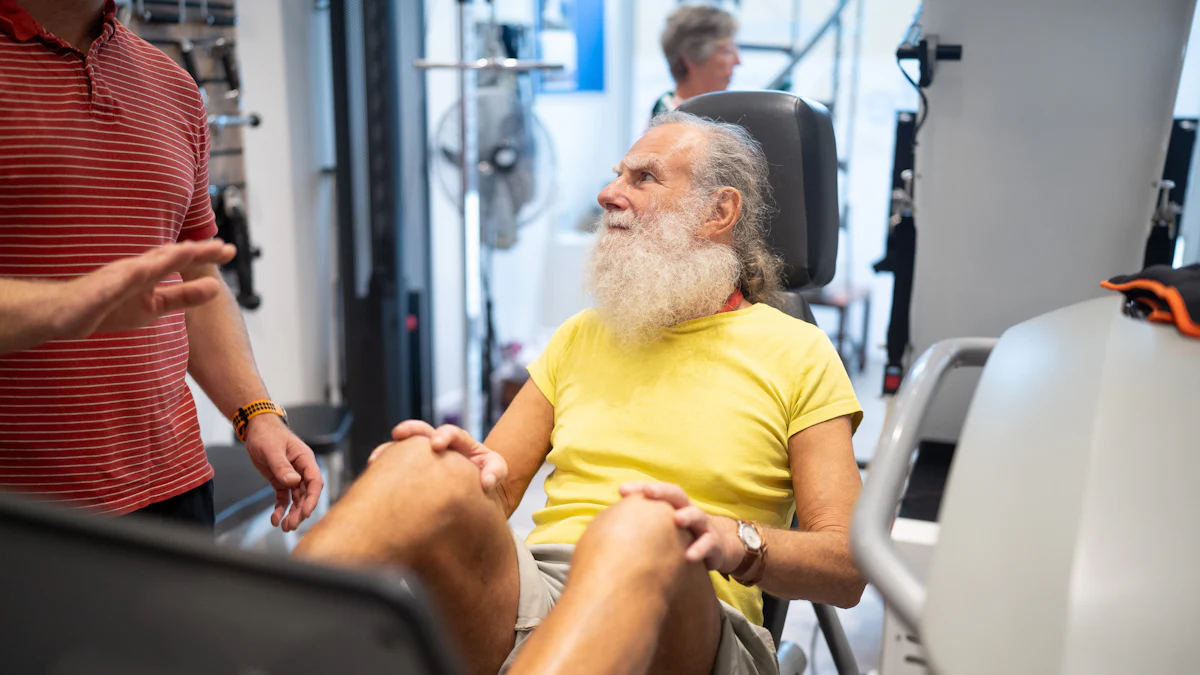
Regular movement matched to your own abilities is an important part of staying independent.