 Vivenza
Balance exercises at home – how to start safely
A sturdy chair, a wall and two sessions a week: that is how the NHS describes the basics of balance practice at home. What to watch for at the start.
An internationally tested MOTO Tiles programme, developed at a Danish university, for care homes, senior clubs, day centres and rehabilitation institutions.
Language: sessions are run in Hungarian, and the request form is in Hungarian.
Base package: HUF 120,000 per session. Up to 8 participants, on-site programme of up to 2 hours. An indicative starting offer.
Vivenza’s MOTO Tiles programme brings together movement, thinking and the fun of play. Sessions with light-up, interactive tiles can help people practise coordination, balance, attention and reaction time, while giving them enjoyment and a sense of achievement.
Vivenza provides a suitably trained healthcare professional (depending on the programme, a rehabilitation specialist, a specialist nurse or a physiotherapist) who leads sessions matched to the participants’ abilities.
No equipment to buy, no new staff to hire, no special infrastructure. We bring the whole programme.
MOTO Tiles was developed by Professor Henrik Hautop Lund, a robotics and artificial intelligence researcher at the Technical University of Denmark (DTU). It has been used in institutional, rehabilitation and active-ageing programmes in several countries.
MOTO Tiles is not just an eye-catching interactive game: it comes with international research and institutional experience.
Playful movement and cognitive training at different ability levels, supporting the physical and mental skills that matter for independence, safe movement and an active daily life.
Games for practising dynamic balance, coordination, stepping and reaction time.
Tasks adjusted to the person support practising functional movements, standing up, stepping and moving about.
Movement games can include attention, memory, reaction and decision tasks.
With suitable professional supervision, a complementary tool for practising coordination, balance and targeted movements.
The layout and difficulty can be changed; some tasks can be done seated or with help.
The playful format, colourful feedback and sense of achievement can make people keener to join in.
Regular movement and cognitive activity matter for keeping functional abilities in older age, but traditional exercises can get repetitive and motivation can fade.
MOTO Tiles relies on the motivating power of play. Participants follow lights, recognise colours, react, step, reach and make decisions, doing physical and cognitive tasks at the same time.
Playful tasks can encourage people to join in and make movement a positive experience.
Games link movement with attention, memory, reaction-time and decision tasks.
Practice of dynamic balance and functional movement skills.
Difficulty and layout can be changed to suit each participant.
Games invite joint activity, encouraging each other and sharing good moments.
With the right software features, some game results can be recorded, so a regular programme can follow changes.
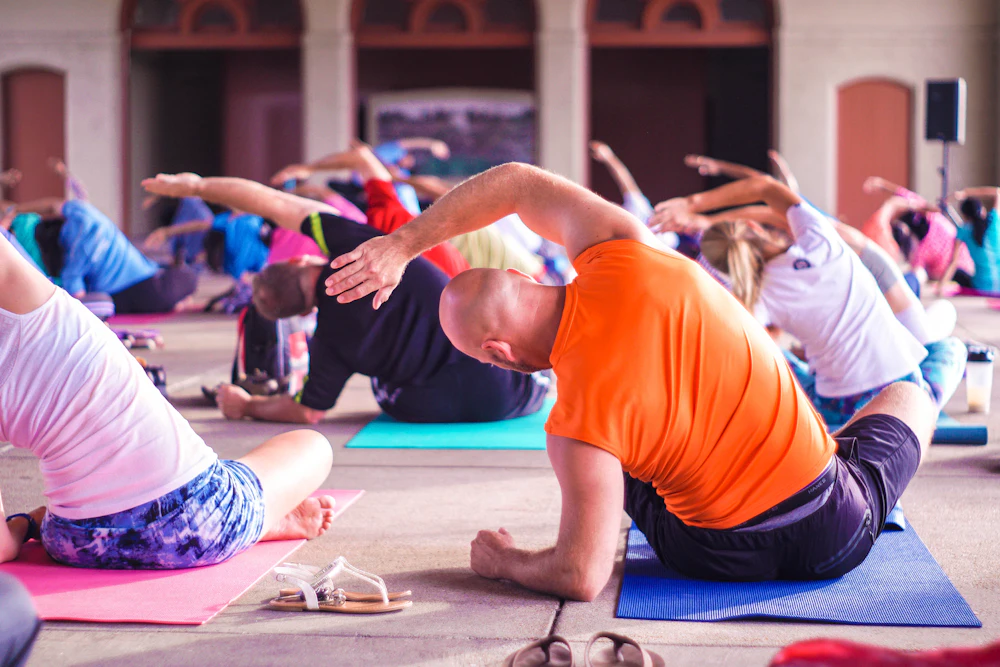
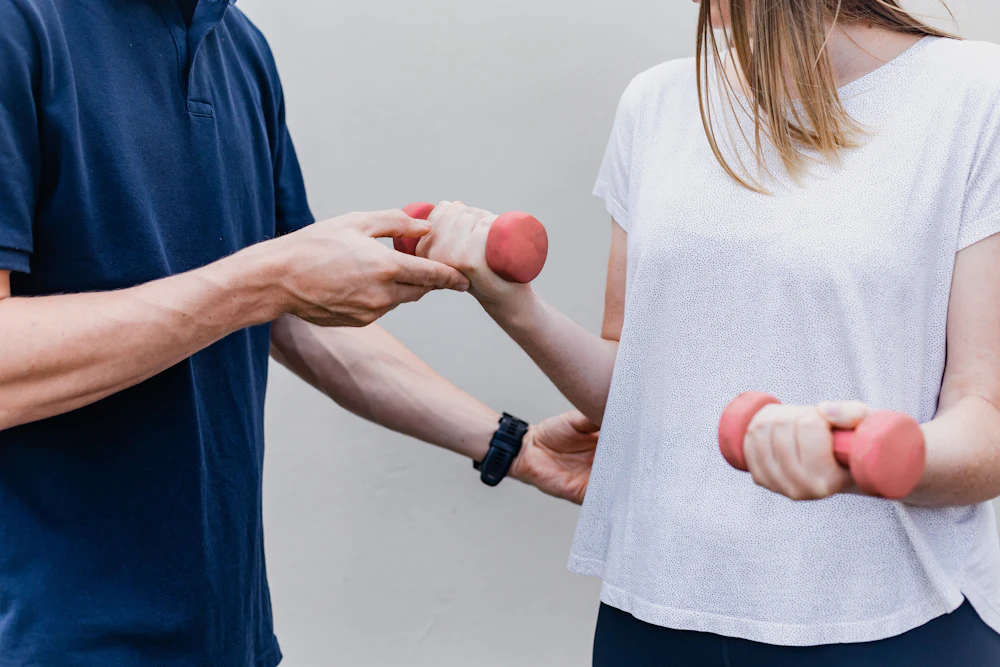
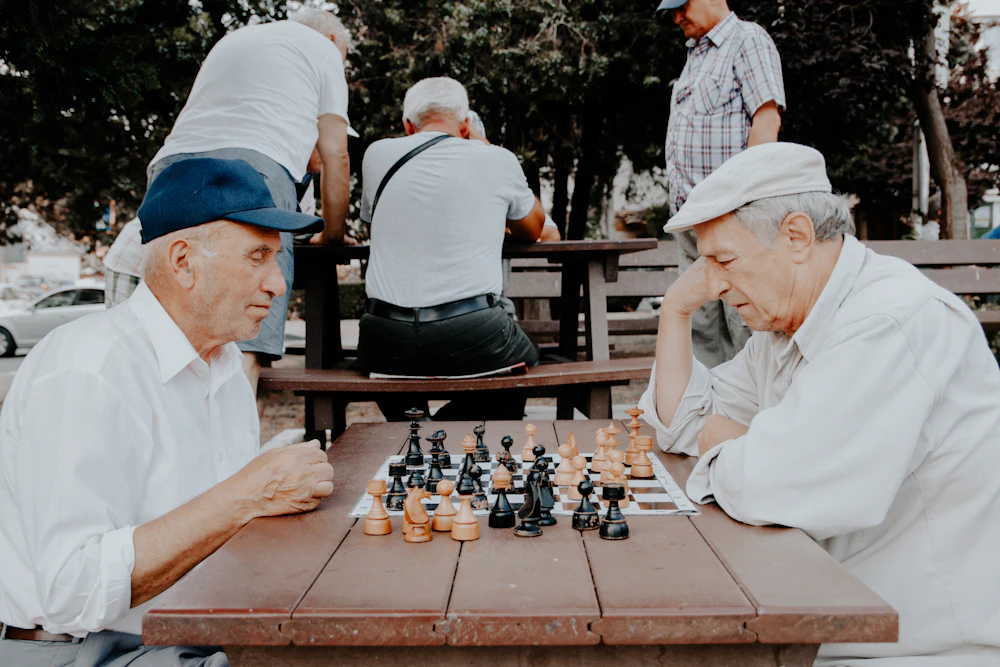
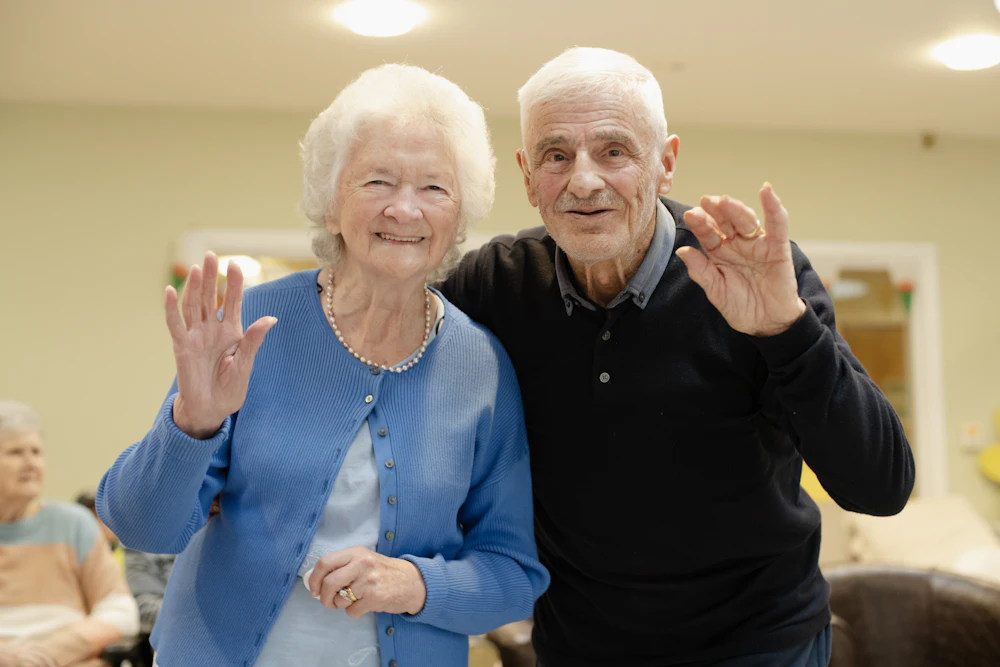
The content and the professional’s qualification are matched to each institution.
Playful physical and cognitive activity, balance and coordination tasks, a shared experience.
Regular, motivating movement and social sessions for active ageing.
Attention, reaction, memory and movement tasks matched to abilities.
Complementary movement and cognitive-motor tasks, for example after a stroke or with balance problems.
Programmes for active ageing, safe movement and community participation.
A tailored programme where the professional and practical conditions allow.
More options for residents, without buying equipment or hiring more permanent staff.
For families, it is one more way for a relative to have active, meaningful and enjoyable days. Depending on the institution’s rules, relatives may also choose to contribute to the cost.
A 2014 study with older people found favourable changes in some physical performance measures (18 participants, 9 group sessions over 12 weeks, no control group; PubMed). A 2020 paper, “Body and Brain Training for Falls Prevention”, reported on personalised playful training (Journal of Robotics, Networking and Artificial Life). Further studies in Japan, China and Taiwan looked at physical and cognitive uses (moto-tiles.com/effects).
Important: the studies looked at defined, regular interventions. The same effect can’t be promised from a single session. MOTO Tiles does not replace medical care or the rehabilitation a person needs.
From HUF 120,000 per session
Extra participants from HUF 6,000 per person. Funding can come from the institution, be shared with participants where the rules allow, or come from relatives, foundations or other supporters; we agree the exact model with you.
Prices and terms are an indicative starting offer. Content, length, numbers, the professional’s qualification and the final price are agreed after your request. Custom offers are available for longer or regular programmes.
No. Vivenza provides the MOTO Tiles equipment and the professional who leads the session.
A healthcare professional with training that fits the programme and the participants: a rehabilitation specialist, a specialist nurse or a physiotherapist, agreed in advance.
Tasks can be adjusted to different ability levels, and some games can be played seated. Participation is always based on each person’s condition.
The base package covers up to 8 participants. More people can join for an extra fee, depending on the capacity agreed in advance.
Yes. The programme can become a recurring activity at your institution.
Depending on the institution’s rules and the applicable conditions, voluntary contributions may be possible.
No. It is a playful movement and cognitive activity that complements existing care and rehabilitation.
MOTO Tiles has been studied in several international studies, which reported favourable changes in some physical and cognitive measures. The actual effect depends on the person’s condition and how regularly the programme runs.
Let’s bring playful movement to your institution. Getting in touch doesn’t commit you to an order. Home sessions and try-outs can also be requested on the Hungarian page.
Request an offer for your institution (Hungarian form)
A sturdy chair, a wall and two sessions a week: that is how the NHS describes the basics of balance practice at home. What to watch for at the start.
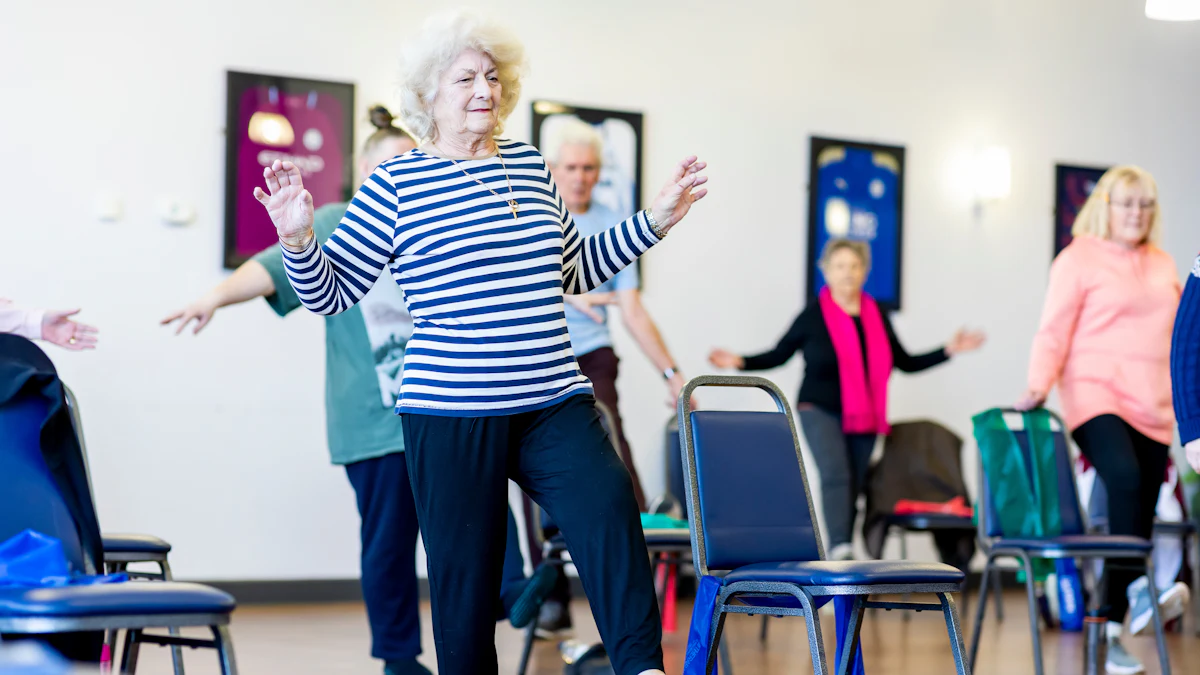
According to both the WHO and the NHS, regular exercise can be part of looking after the brain. But what does the research claim, and what not?
You don't need a training plan straight away. According to the WHO, some activity is better than none. A few ideas for breaking up long spells of sitting.