 Vivenza
How to talk with a relative who has dementia
Short sentences, simple choices, plenty of patience. What does the NHS suggest to make conversations easier for both of you?
For general information only. This article does not replace medical or professional advice; if you have a health concern, talk to a doctor.
In short: becoming a little more forgetful with age is common, but dementia is not a natural part of ageing. If forgetfulness keeps getting worse and starts to affect daily life, it is worth seeing a GP sooner rather than later.1,3
According to MedlinePlus, it is normal to become a bit more forgetful with age, but dementia is not a normal part of ageing.3 The NHS also points out that memory can be affected by stress, tiredness, some illnesses and medicines.2 So a forgotten name or a lost key does not on its own mean dementia.
The NHS describes dementia not as a single disease but as a collection of symptoms.1 MedlinePlus puts it as a loss of mental functions severe enough to affect daily life.3 According to the WHO, 57 million people worldwide had dementia in 2021, with nearly 10 million new cases a year.4
The NHS lists these early symptoms:1
At first these symptoms are often mild. The NHS says this may be called mild cognitive impairment (MCI): some people go on to develop dementia, while in others the symptoms stay the same.1 Symptoms that come on suddenly, like a stroke, need urgent help: call 112 (or your local emergency number).1
The NHS suggests seeing a GP if increasing forgetfulness is affecting daily life, especially over 65.2 An early diagnosis may slow progress in some cases, and helps with treatment, support and planning ahead.2 Because other, treatable causes can lie behind the symptoms, a check-up is useful even if it turns out not to be dementia.
According to the WHO, people can reduce their risk of dementia with healthy habits; the risk factors include high blood pressure, diabetes, physical inactivity, social isolation and hearing loss.4 We also wrote about exercise and memory.
Vivenza does not carry out medical examinations. If the family is looking for home support, a carer or activities, they can tell us what they need through the request for help (The questionnaire is in Hungarian.). Our guide to help at home for an older parent is a good starting point for organising help at home.
Becoming a little more forgetful with age is common. Dementia, however, is not a natural part of ageing. If forgetfulness keeps getting worse and affects daily life, it is worth seeing a doctor.
A mild decline in memory or thinking that does not yet seriously affect daily life. Some people go on to develop dementia; in others the symptoms stay the same.
Start with their GP. It helps to write down beforehand in what situations the symptoms appear, and to bring a list of medicines.
If confusion, speech problems or weakness come on suddenly, it may be a sign of a stroke. Call 112 or your local emergency number.
Last checked: 19 November 2026.
Tell us briefly about the situation and we will let you know what help is available. The questionnaire is in Hungarian.
I am looking for help
Short sentences, simple choices, plenty of patience. What does the NHS suggest to make conversations easier for both of you?
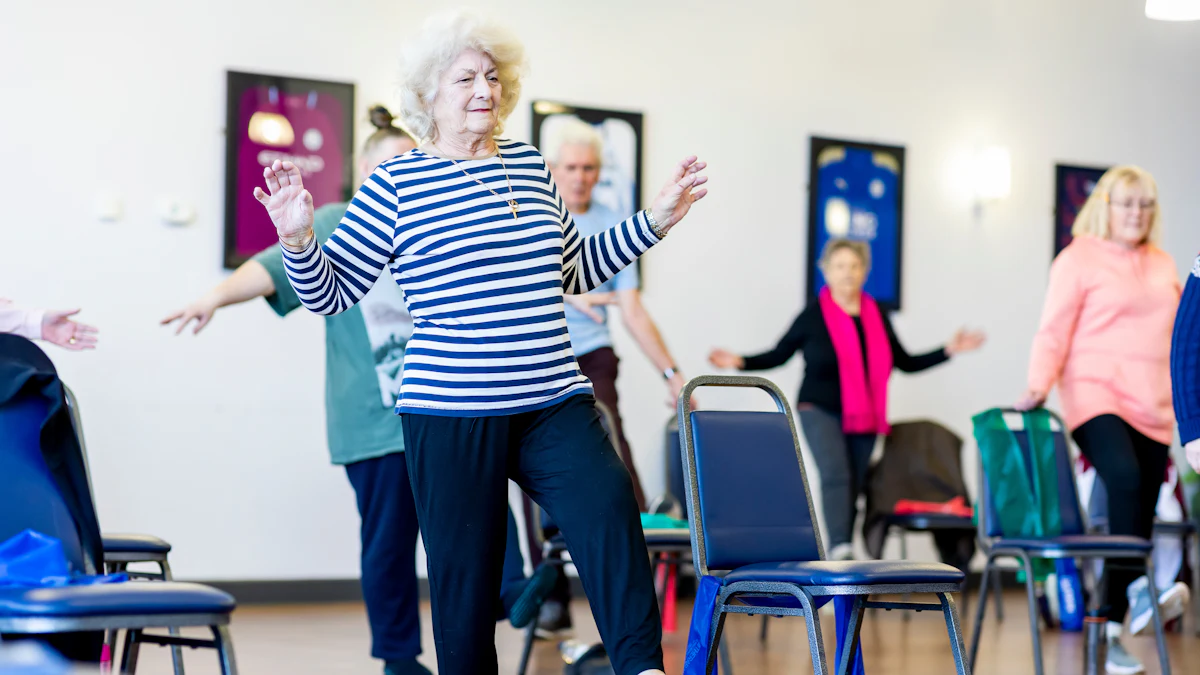
According to both the WHO and the NHS, regular exercise can be part of looking after the brain. But what does the research claim, and what not?
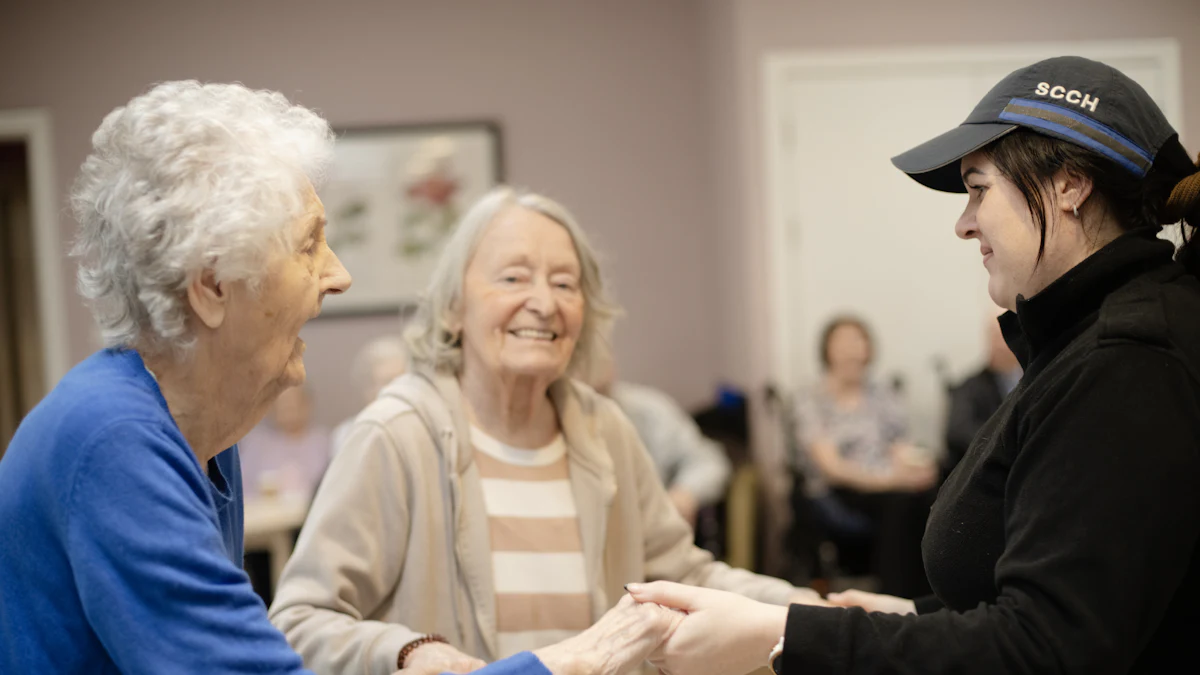
Sometimes overnight, sometimes slowly, it becomes clear that mum or dad can no longer manage alone. A few steps that may help you sort out what to do.