 Vivenza
Forgetfulness or dementia? When to see a doctor
A forgotten name is no reason to worry. But when is it worth seeing a doctor? The key signs, simply put.
For general information only. This article does not replace medical or professional advice; if you have a health concern, talk to a doctor.
In short: the NHS suggests speaking slowly and clearly in short sentences with someone who has dementia, giving them time to answer, and offering simple choices.1 A conversation is not only words: body language, touch and attention matter a lot too.1
According to the NHS guidance on communication, these may help:1
The NHS says body language and touch can help, and that it is good to be at the same level as the person, or lower, rather than standing over them.1 A hand on a hand, a smile or a calm tone often says more than words.
Active listening is an important part of the NHS guidance too: don't interrupt, cut down on distracting noise (for example turn off the TV or radio, but check it's OK first), and repeat back what you heard to check you understood.1
According to the NHS, good, even lighting, especially on the stairs and in the toilet, and regular eye and hearing tests can make daily life easier.4 If someone can't hear or see well, conversation is harder too. We wrote about adapting the home.
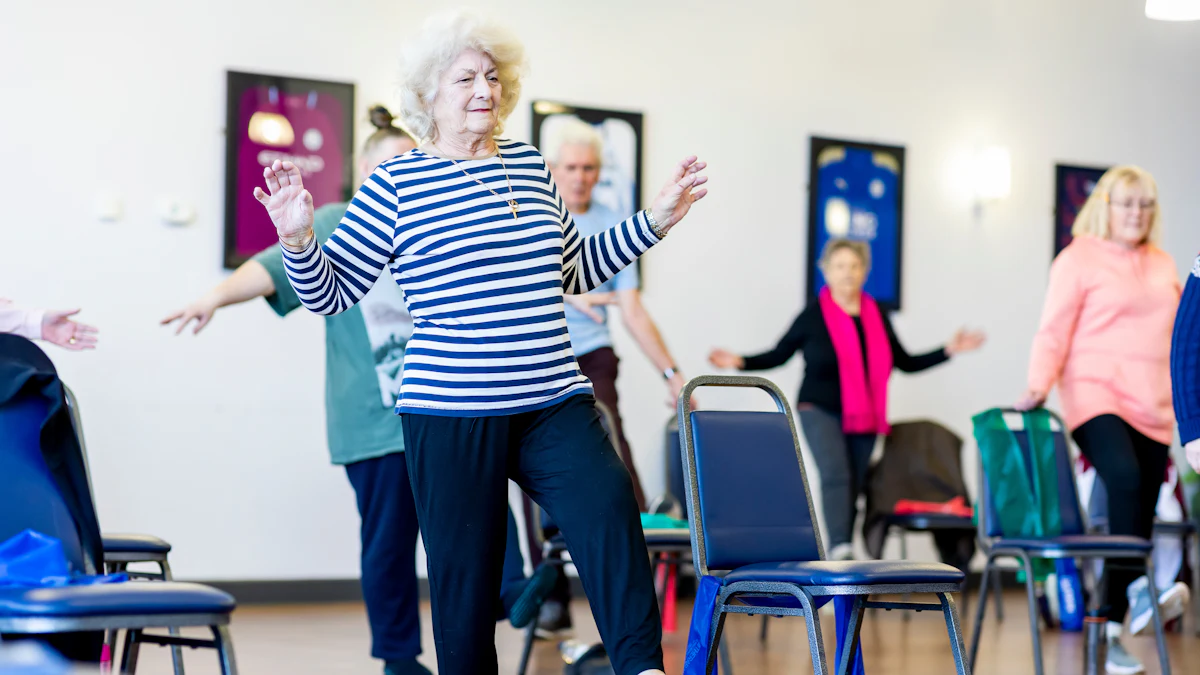
The NHS says activities can be physical, mental, social or creative: dancing, tai chi, a walking group, reminiscing, singing, even using a tablet.2 Doing something together is often easier than a long conversation, and it strengthens the relationship. You can read about exercise and memory here.
The NHS recognises that caring for a relative with dementia can be demanding and stressful.3 It is worth asking the family for help, even for an hour, and planning breaks.3 According to the WHO, dementia also has a significant impact on the person's family.5 We wrote a separate article on carer exhaustion and how to prevent it.
If you are worried about symptoms and there is no diagnosis yet, read our piece on forgetfulness versus dementia.
Rephrase it more simply rather than just repeating it. Offering a simple choice, such as two options, also helps.
The NHS suggests listening actively, not interrupting and not being patronising. The aim of the conversation is connection, not argument.
For example walking, dancing, singing, looking at old photos, reminiscing or a simple creative activity. The best one is whatever the person enjoys.
Ask the family for help, even for an hour, and plan your own breaks. A professional, a carer or day care can also take some of the load.
Last checked: 19 November 2026.
Looking for a carer, a professional or activities? Tell us what you need. The questionnaire is in Hungarian.
I am looking for help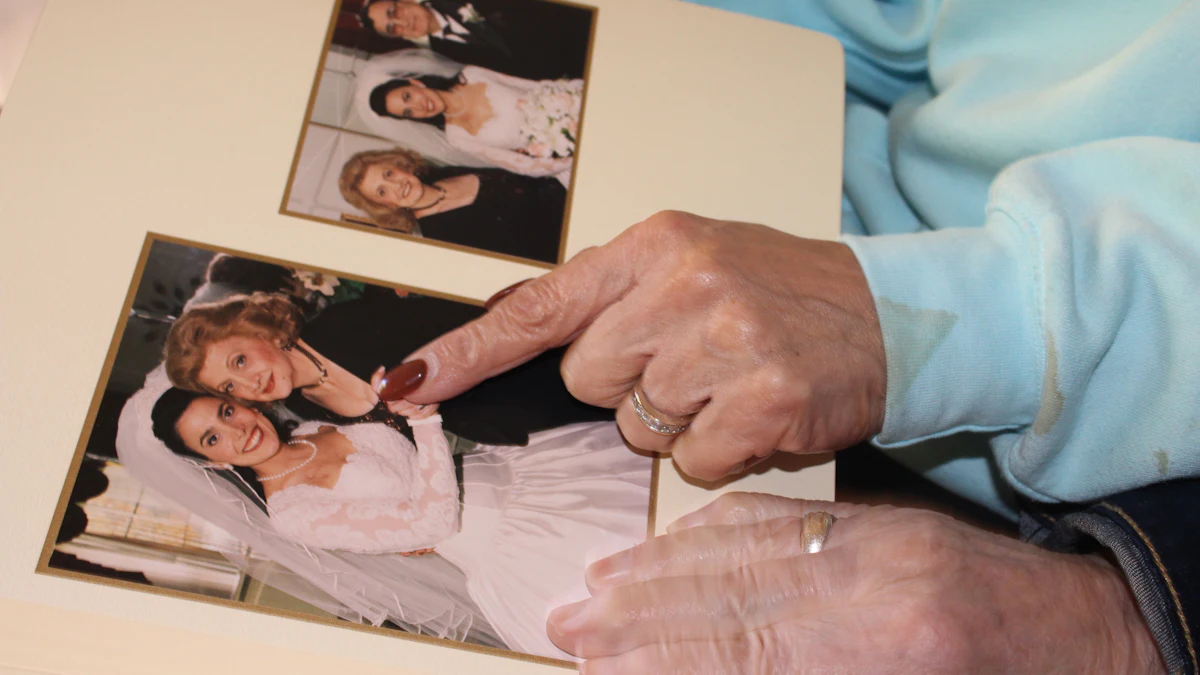
A forgotten name is no reason to worry. But when is it worth seeing a doctor? The key signs, simply put.

People caring for an older parent often do it alongside work and family. What are the signs of overload, and how can you ask for help in time?
According to both the WHO and the NHS, regular exercise can be part of looking after the brain. But what does the research claim, and what not?