 Vivenza
Falls in older age – what raises the risk, and what can help?
A fall rarely has just one cause. Here is what international health bodies say about the risks, and what they suggest doing about them.
For general information only. This article does not replace medical or professional advice; if you have a health concern, talk to a doctor.
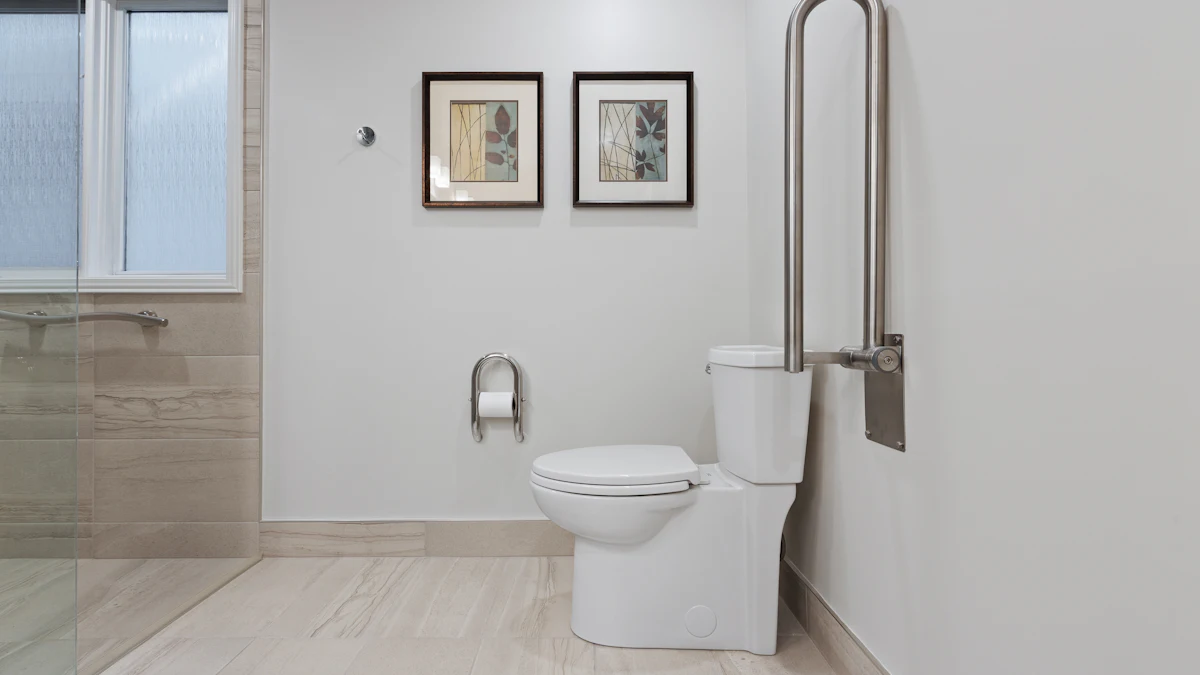
In short: a home can be made safer with adaptations (grab rails, a ramp, a walk-in shower), simple equipment (a raised toilet seat, non-slip mats) and technology (personal alarms, sensors).1,2,3 According to the NHS, removing trip hazards is an important step too.4
According to the NHS, an occupational therapist may visit the home, walk around it with the person and ask what is difficult; it is worth telling them even about small things.1 A visit like this takes about an hour or more, and it helps to have a family member there.1 We wrote about the occupational therapist's role.6
NHS examples of home adaptations:1
According to the NHS, many small items can make daily life easier:2
The NHS also says some equipment can be hired, so you can try it before buying.2
The NHS recommends good, even, ideally natural lighting, especially on the stairs and in the toilet, plus easy-to-use switches or automatic sensor lights.5 Rugs and shiny, slippery floors are best avoided.5 The falls prevention guidance also lists clutter and trailing wires among the risks.4
According to the NHS, a personal alarm is worn on the wrist or around the neck and works with a button or a pull cord, and there are several kinds: basic, alerting a phone, linked to a 24-hour monitoring service, with fall detection, or with GPS.3 Home sensors can detect movement, doors opening, temperature, flooding, smoke or gas, and appliances left on.3 A key safe can also let helpers in during an emergency.3
When choosing, the NHS suggests asking: is the person comfortable using it, does it have everything they need, what do reviews say, and what are the warranty and returns terms?3
A safe home helps most when strength and balance are kept up too. We wrote about this in our articles on preventing falls and fear of falling. Preparing the home matters especially when coming home from hospital: read about it here.
Vivenza's innovative solutions include movement and balance programmes, for the home and for care settings.
With a walk-through: look together at what is difficult. Removing trip hazards, better lighting and a grab rail or two are often the most important first steps.
Button or pull-cord alarms worn on the wrist or neck: basic ones, ones that alert a phone, ones linked to a 24-hour monitoring service, and ones with fall detection or GPS.
According to NHS guidance, good lighting and grab rails matter especially on the stairs and in the bathroom, and rugs and slippery floors are best avoided.
An occupational therapist, who walks around the home and asks which tasks are difficult.
Last checked: 19 November 2026.
Balance and movement training with a professional, at home or in a care setting.
Innovative solutions
A fall rarely has just one cause. Here is what international health bodies say about the risks, and what they suggest doing about them.
After a fall, many people move less, and that can weaken them further. How can the cycle be broken?
The first days at home are often harder than expected. What to ask while still in hospital, and how to get the flat ready.