 Vivenza
How to choose a reliable carer: a checklist for families
Charges, experience, cover, a contract: what to ask before you choose a carer for someone at home.

For general information only. This article does not replace medical or professional advice; if you have a health concern, talk to a doctor.
In short: a carer helps with everyday tasks, a nurse does health-related tasks, a physiotherapist helps rebuild movement and strength, and an occupational therapist helps relearn or reorganise daily activities. Many families need some combination of these.
According to the NHS, help at home may be needed when daily routines become difficult, the person wants to stay at home, and the home is safe or can be adapted.1 A carer can help with, for example, getting up, washing and dressing, using the toilet, meals, reminders to take medicines, shopping and getting out.1
MedlinePlus describes home services in a similar way: personal care, housework, cooking or meal delivery, managing money, and health care.2
Health tasks, such as wound care or some treatments prescribed by a doctor, are usually done by a qualified health professional, typically a nurse. It is best to decide exactly what is needed based on advice from the person's doctor.
According to the NHS, physiotherapy may ease pain and improve movement using exercise, massage and other techniques, at any age, and it can help after surgery.3 A physiotherapist may visit at home.3 At the first appointment they usually go through the person's history and check strength and balance, and they give exercises to do at home, which matter between sessions too.3
The NHS says occupational therapy improves the ability to do everyday tasks, for example in older age or after an illness or operation.4 The occupational therapist looks at what is difficult and finds another way to do it.4 Adapting the home or a piece of equipment may be part of that: see a safer home for older people.
The WHO guidelines on care for older people (ICOPE) stress that support should fit the older person's needs and goals, and aim to maintain their physical and mental capacities.5 In practice, a good first step may be to:
This matters especially after a hospital stay: read about going home after hospital. We have also put together a list of questions for choosing a carer.
Vivenza connects families with professionals who can help with home physiotherapy, care or activities. You can describe what you need in the request for help, and if you are a professional, you can register here. The questionnaire is in Hungarian.
A carer helps with everyday tasks (washing, dressing, meals, shopping), while a nurse is a qualified health professional who carries out health tasks.
Yes, physiotherapy can be done at home. At the first appointment the physiotherapist usually checks strength and balance and gives exercises to do at home.
They help make everyday tasks (such as dressing, cooking or bathing) possible again, sometimes in a different way or with equipment.
Write down which tasks are difficult and talk it through with the GP. Often several professionals need to work together.
Last checked: 19 November 2026.
Tell us what help you need, or register as a professional. The questionnaire is in Hungarian.
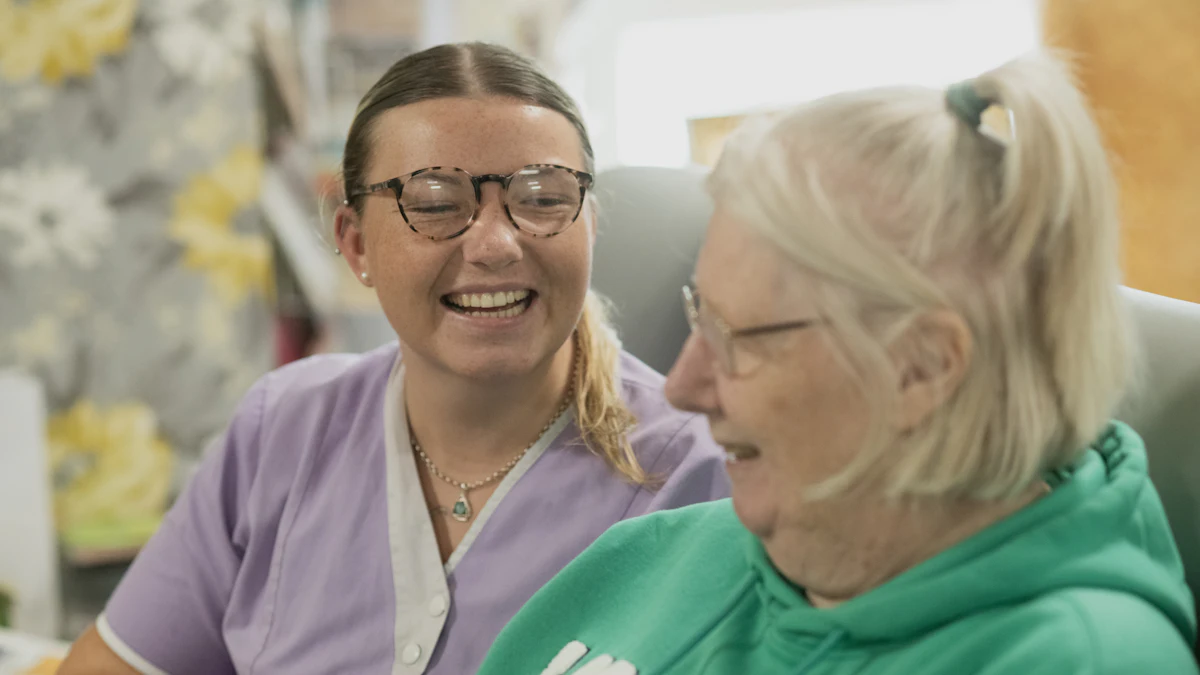
Charges, experience, cover, a contract: what to ask before you choose a carer for someone at home.

The first days at home are often harder than expected. What to ask while still in hospital, and how to get the flat ready.

Sometimes overnight, sometimes slowly, it becomes clear that mum or dad can no longer manage alone. A few steps that may help you sort out what to do.