 Vivenza
MOTO Tiles – when movement and thinking turn into a game
An interactive technology used in many settings, from athletes to movement and cognitive training in older age.
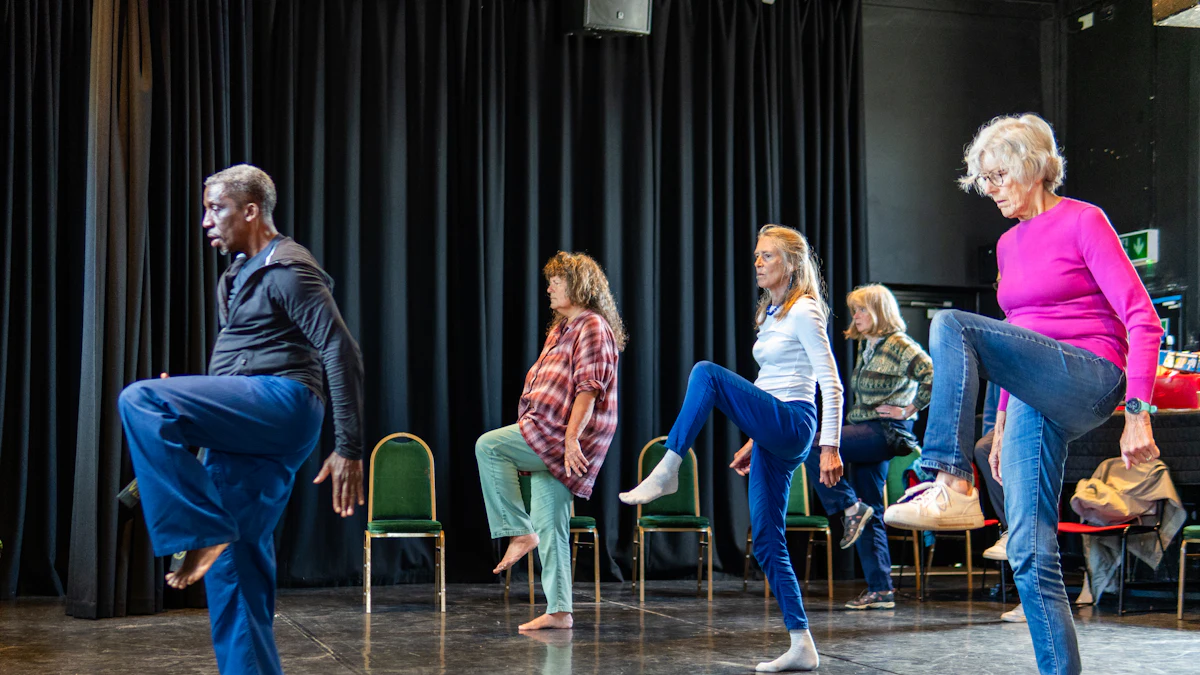
In short: a good exercise programme in a care setting fits the individual, combines several kinds of exercise (strength, balance, endurance, flexibility), and is a social experience too. The WHO ICOPE guidelines recommend maintaining older people's physical and mental capacities and putting their needs and goals at the centre.1
According to the WHO, physical activity in older age is linked to fewer falls and to better mental and cognitive health and better sleep.3 The UN Decade of Healthy Ageing (2021–2030), led by the WHO, includes age-friendly environments, integrated care and long-term care among its areas for action.2 The NHS notes that some care homes offer activities for residents.4
Residents and clients of care homes, day centres, and rehabilitation and social care settings, with very different levels of ability. That is why the same session needs easier and harder versions. You can read about the role of muscle strength.
The interactive, light-up tiles of MOTO Tiles turn movement into playful tasks, and can be used to practise reaction time, balance and attention. The equipment does not replace a professional assessment, but it can give a motivating frame for regular practice.
Vivenza's programmes for institutions offer professional-led balance, movement and cognitive sessions for care homes, day centres and other settings. The terms of cooperation are agreed based on each institution's needs. Sessions are currently held in Hungarian.
It is worth combining strength, balance, endurance and flexibility, with seated versions too, adjusted to the residents' abilities.
Every exercise should have an easier and a harder version, and the load should be adjusted individually. An assessment beforehand helps.
The WHO guidelines on integrated care for older people, with recommendations to prevent, slow or reverse declines in physical and mental capacities, with the older person's needs at the centre.
Get in touch through the institutional programmes on the Innovative solutions page, and we will agree the details based on your needs.
Last checked: 19 November 2026.
Professional-led movement and cognitive sessions for care homes and day centres (in Hungarian).
Working with institutions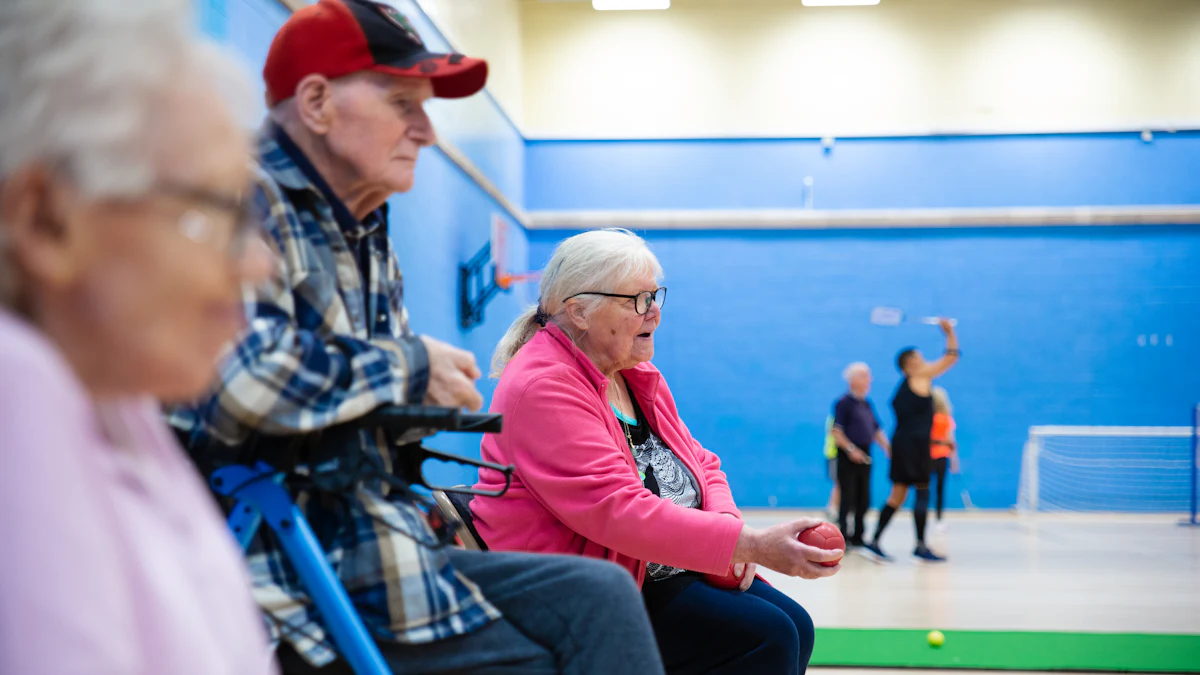
An interactive technology used in many settings, from athletes to movement and cognitive training in older age.
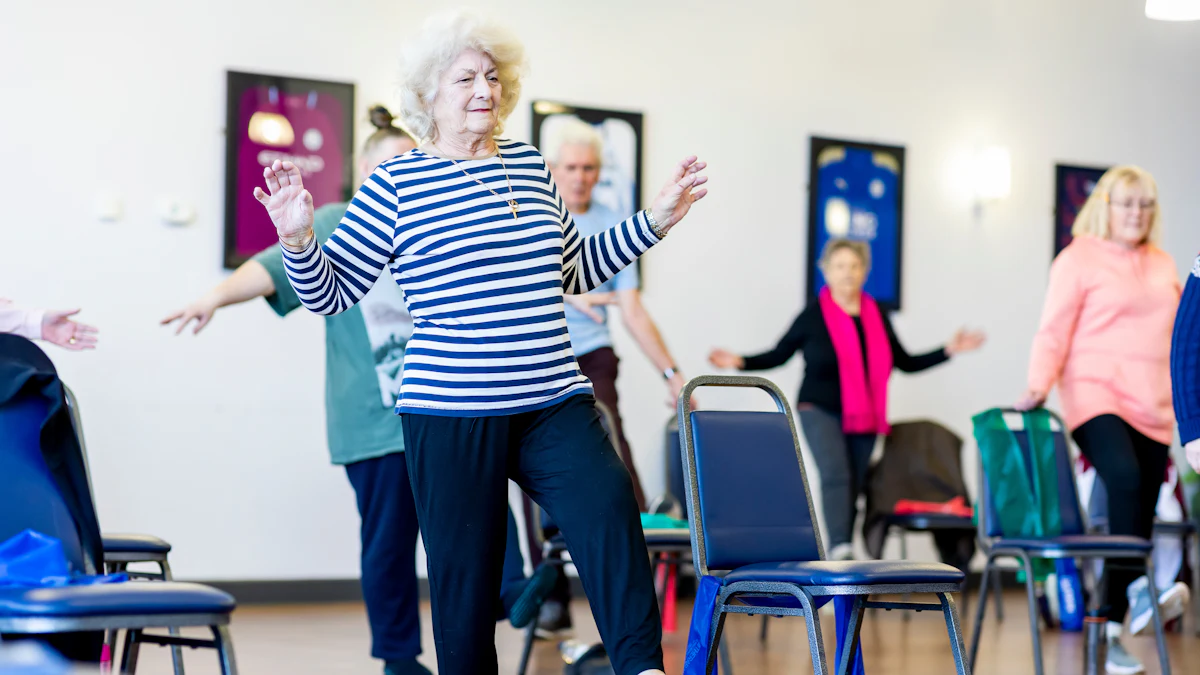
According to both the WHO and the NHS, regular exercise can be part of looking after the brain. But what does the research claim, and what not?
Muscle mass can decline with age, and that affects strength and balance. What can we do about it, even at home next to a chair?