 Vivenza
What is fascia? The role of connective tissue, simply put
Fascia has become a popular topic among trainers, masseurs and therapists. What does textbook anatomy say about it, and where do the open questions begin?
For general information only. This article does not replace medical or professional advice; if you have a health concern, talk to a doctor.
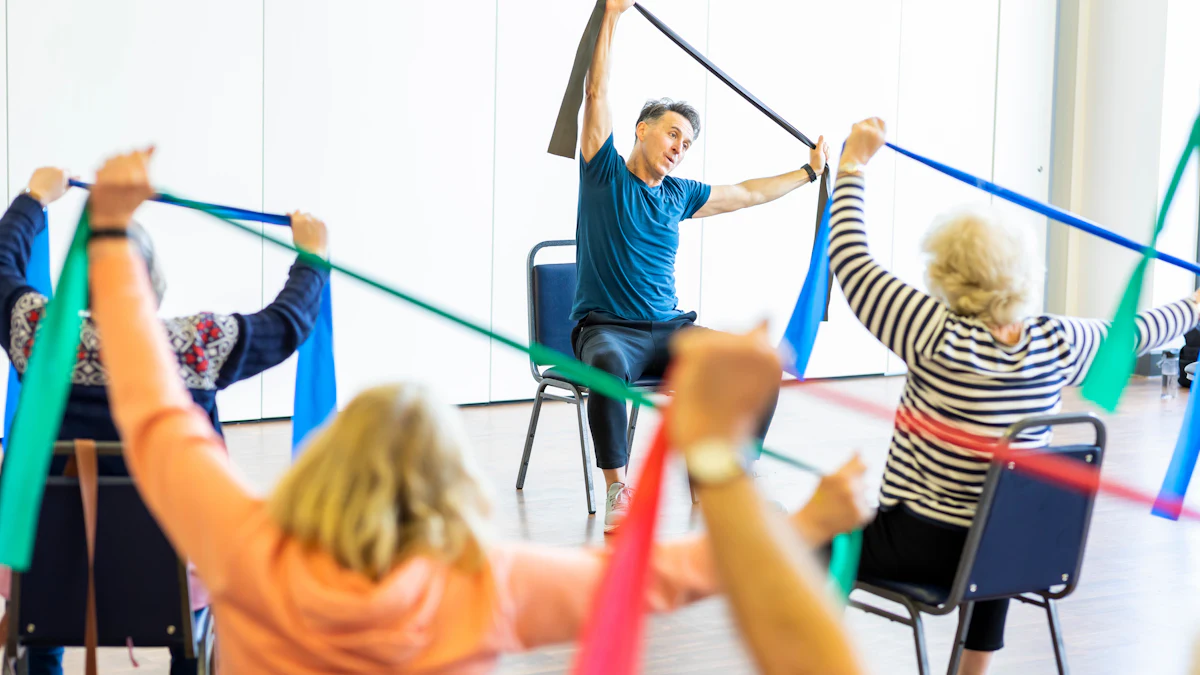
Stretching is one of the best-known kinds of exercise, yet there is a lot of uncertainty around it: when, how much, how hard? On a few simple principles the material from international health bodies is fairly clear.
The NHS guidance for older adults suggests activities that build strength, balance and flexibility on at least two days a week.1 The NHS page on flexibility exercises recommends the same two sessions a week, and describes simple moves you can do at home, from the neck through the shoulders to the thighs.2
According to the US NIA, stretching may help you stay flexible, which everyday movements need too, such as tying your shoes or looking over your shoulder.3 The NIA describes stretching as one of four main types of exercise, alongside endurance, strength and balance.3 MedlinePlus names the same four types, says doing all four may bring more benefit, and advises starting slowly.4
If you have joint problems, a recent injury or a long-term condition, it is worth checking with a doctor or physiotherapist before starting.
Stretching affects not only the muscles but also the connective tissue layers around them. We wrote about the role of connective tissue and the claims made about it. If balance interests you too, see our piece on balance exercises at home.
Combining stretching and mobilisation with hands-on treatment is a professional field of its own. The third unit of the FSTM workshop covers active and passive stretching techniques, the stretch therapy approach, and connective tissue treatment combined with controlled active movement. We recommend it to masseurs, trainers, yoga and Pilates teachers and movement instructors.
Last checked: 19 November 2026.
Five days of the FSTM workshop, from fascia to movement integration. Taught in Hungarian.
Workshop details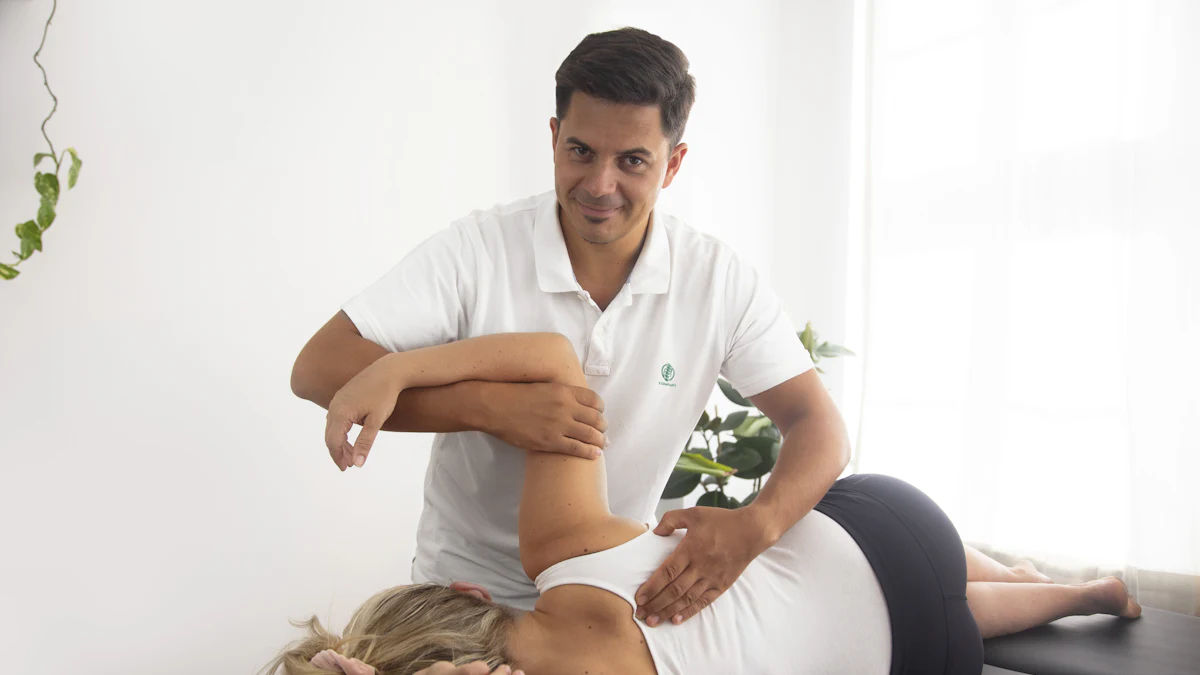
Fascia has become a popular topic among trainers, masseurs and therapists. What does textbook anatomy say about it, and where do the open questions begin?
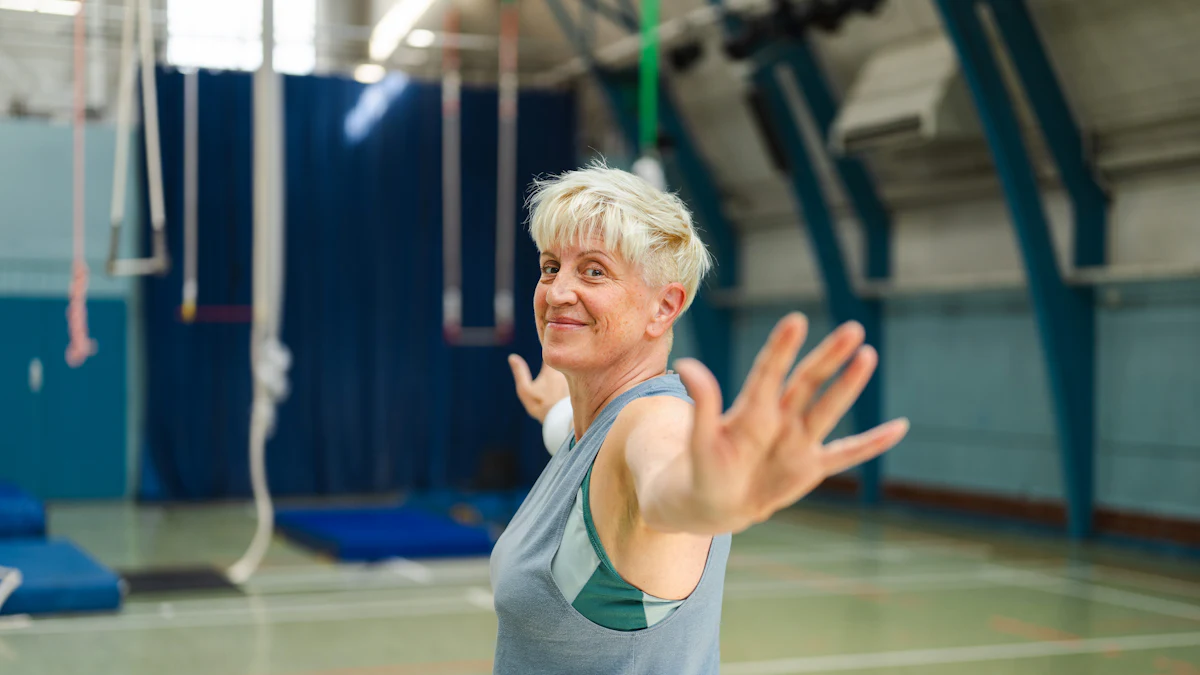
A sturdy chair, a wall and two sessions a week: that is how the NHS describes the basics of balance practice at home. What to watch for at the start.
A five-day connective tissue course with Rita Szentiványi: from how fascia works, through targeted manual techniques, to bringing them into movement.