 Vivenza
FSTM – a new connective tissue course with Rita Szentiványi
A five-day connective tissue course with Rita Szentiványi: from how fascia works, through targeted manual techniques, to bringing them into movement.
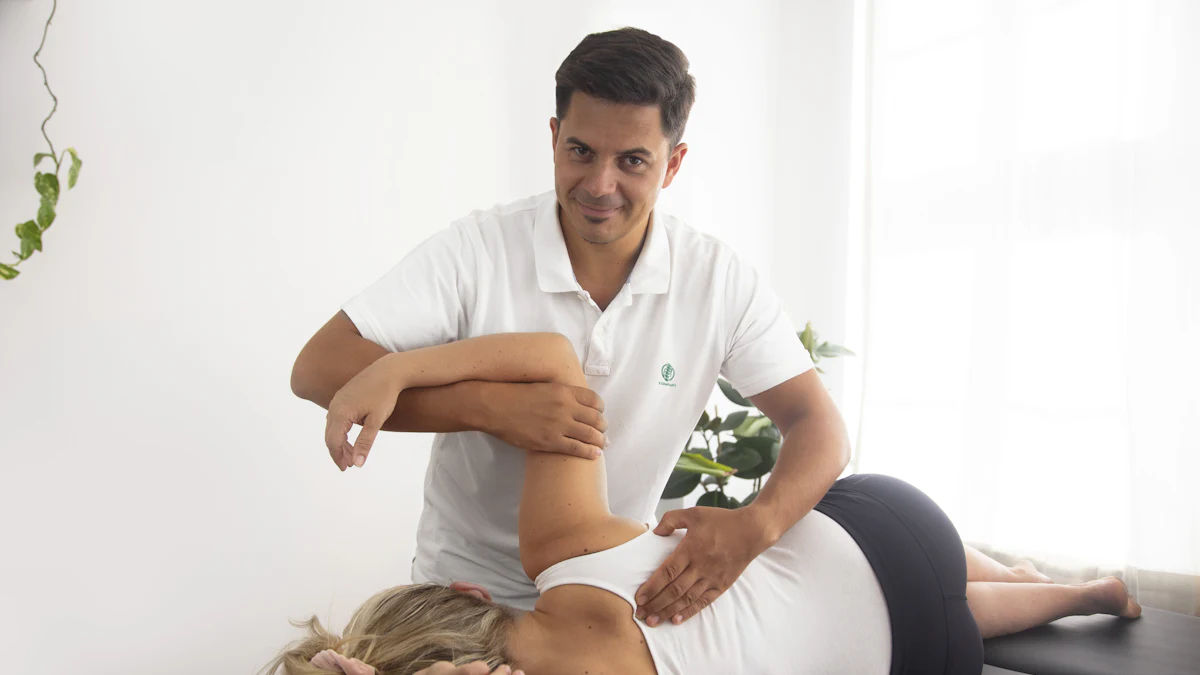
In recent years the word "fascia" has become familiar from gyms, yoga classes and massage studios. Meanwhile many claims circulate about it, and not all of them stand on equally firm ground. So it is worth starting with the basics.
Connective tissue is one of the body's basic tissue types. According to the anatomy training material of the US National Cancer Institute (NCI), connective tissues bind structures together, form a framework, store fat, transport substances, protect, and take part in tissue repair.1 Typically they have few cells and a lot of material between the cells.1
Connective tissues include bone, cartilage, blood, fat tissue, and dense fibrous connective tissue, which makes up tendons, ligaments and fascia, among others.
Fascia is a layer of fibrous connective tissue that surrounds muscles, muscle groups and organs, and connects them to each other. The layers allow tissues to slide relative to one another, and they can also transmit force.
Professional interest has grown mainly because fascia has a rich nerve supply and may play a role in sensing body position and coordinating movement. These questions are an active area of research.
Popular articles often say a technique "releases adhesions", "detoxifies tissues" or permanently changes posture. Some of this is hypothesis, some of it is unproven. Good professional practice separates scientifically grounded anatomy and physiology from therapeutic assumptions that still need clinical evidence.
The safety of hands-on treatment matters too. According to the US NCCIH, the risk of massage appears to be low, but rare serious complications have been reported, and some of them involved vigorous deep tissue massage or older patients.2 That is why the intensity of a technique has to be matched to the tissue's tolerance and the person's condition.
Age matters too. The NHS describes physiotherapy as treatment that may ease pain and improve movement using exercise, massage and other techniques.3 According to MedlinePlus, in older age muscle fibres shrink, muscle tissue is replaced more slowly and some of it may be replaced by tougher, fibrous tissue, and joints become stiffer.4 With older clients or patients, building up gradually matters all the more.
For masseurs, trainers, and yoga and Pilates teachers, knowing about connective tissue can help them better understand how movement and posture are linked, and choose hands-on techniques or stretches more deliberately. We also wrote about stretching: stretching – what do we know?
Vivenza's first professional programme, the FSTM workshop, covers the anatomy, biomechanics, manual techniques and movement integration of connective tissue over five days with Rita Szentiványi. The workshop does not give a new health qualification or therapeutic entitlement. You can read more in our article on the FSTM workshop.
Last checked: 19 November 2026.
A five-day hands-on workshop with Rita Szentiványi, taught in Hungarian.
Workshop details
A five-day connective tissue course with Rita Szentiványi: from how fascia works, through targeted manual techniques, to bringing them into movement.
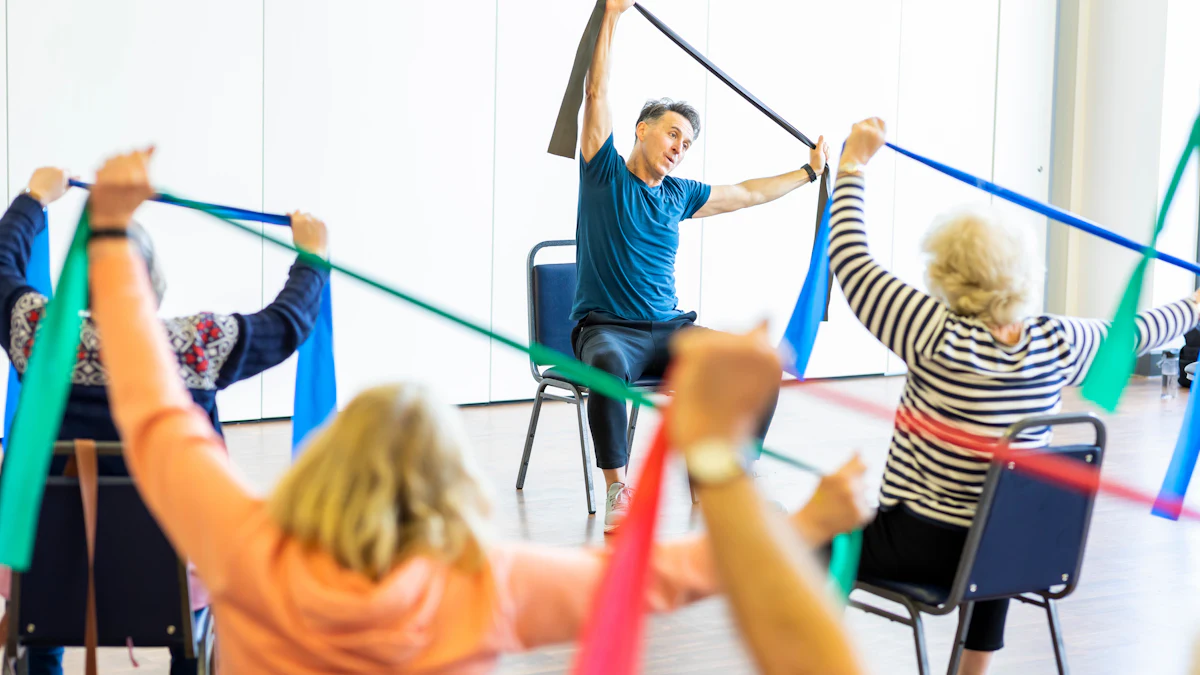
According to both the NHS and the NIA, keeping flexible is part of regular activity. What do they suggest, and what are the three most common mistakes?
A sturdy chair, a wall and two sessions a week: that is how the NHS describes the basics of balance practice at home. What to watch for at the start.