 Vivenza
What is fascia? The role of connective tissue, simply put
Fascia has become a popular topic among trainers, masseurs and therapists. What does textbook anatomy say about it, and where do the open questions begin?

FSTM (Functional Soft Tissue Mobilization) is a teaching concept developed by Rita Szentiványi. It focuses on how the connective tissue system works and how it can be treated by hand. The first five-day course is planned to start in February 2027.
FSTM is not a joint manual therapy course, and it does not teach a blend of different manual therapy methods. The focus is the connective tissue system only.
Separately from the units, the course presents three technical grades (FSTM I–III: superficial, directed and functional fascial mobilisation). These are not three separate courses, and they do not mean increasing treatment intensity.
Mainly for medical masseurs, masseurs with suitable anatomy training, massage therapists, physiotherapy assistants and other relevant health professionals. It is also open to physiotherapists. It is not a beginners' anatomy course, and it does not give a new health qualification or any therapeutic competence beyond what participants are already entitled to.
Planned start: February 2027. Length: 5 days. Planned fee: HUF 180,000. Group size: up to 20. Organiser: SofTissue Academy Kft. The exact date, venue, VAT treatment and administrative terms are still being finalised. Pre-registration does not mean automatic admission or any obligation to pay.
Details are on the FSTM workshop page.
The workshop is taught in Hungarian, and the pre-registration form is in Hungarian.
Connective tissue is one of the body's basic tissue types: it binds structures together, forms a framework and takes part in tissue repair.1 According to the US NCCIH, the risk of hands-on treatment appears to be low, but rare serious complications have been reported, so the intensity of a technique has to be matched to the person's condition.2 The NHS describes physiotherapy as treatment that may ease pain and improve movement using exercise, massage and other techniques.3 Muscle and connective tissue also change with age: joints may get stiffer, and some muscle tissue may be replaced by tougher, fibrous tissue.4 More on connective tissue: What is fascia?
Last checked: 19 November 2026.
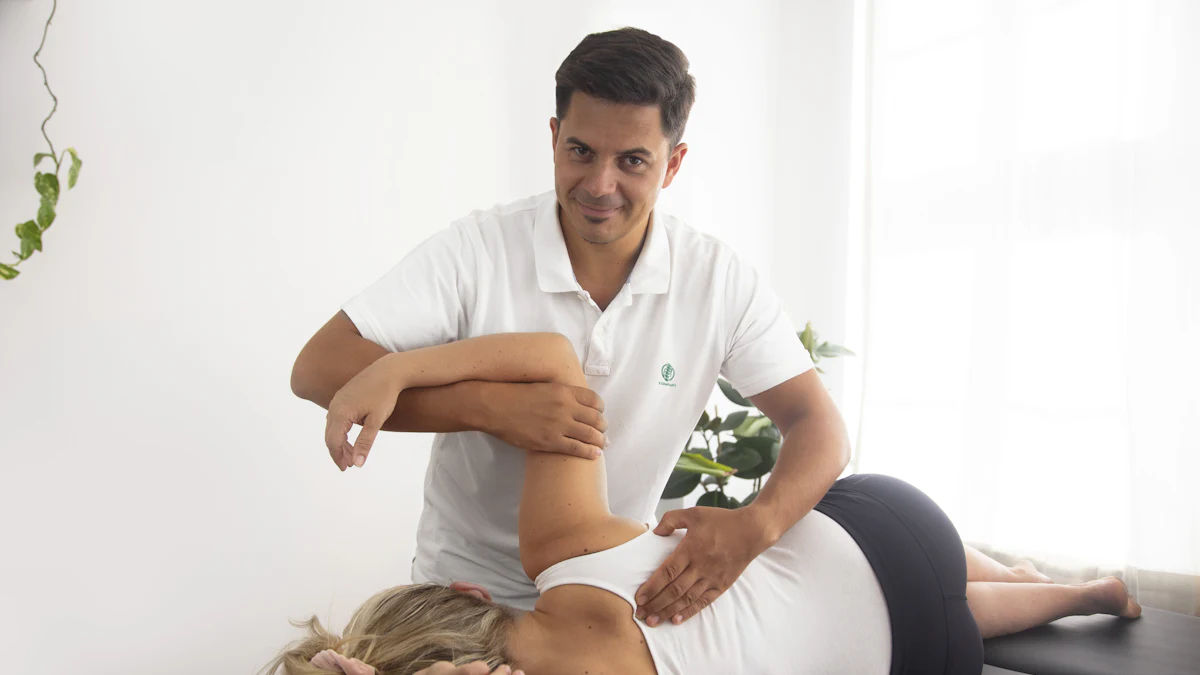
Fascia has become a popular topic among trainers, masseurs and therapists. What does textbook anatomy say about it, and where do the open questions begin?
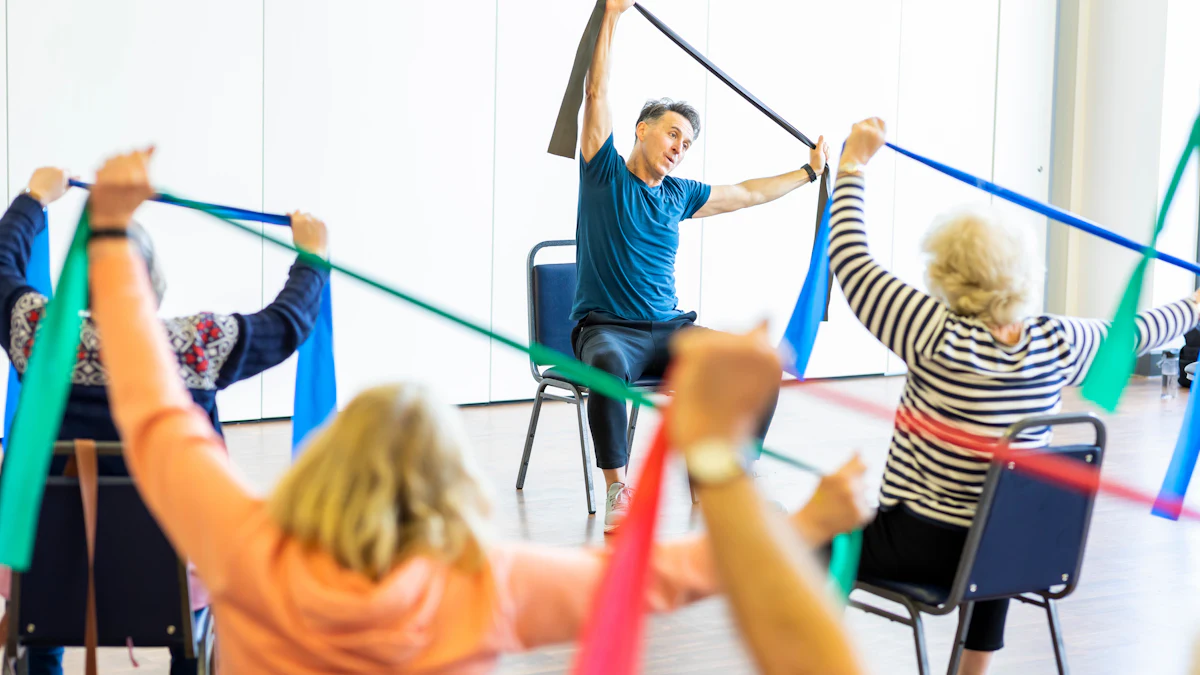
According to both the NHS and the NIA, keeping flexible is part of regular activity. What do they suggest, and what are the three most common mistakes?

A lot can be discussed by video or phone, but not everything. What remote consultations are good for, and how to get the most out of one.